

Garden Journal
An open book of musings, inspiration, seasonal tasks, our recent projects and big ideas. Browse the latest articles below or search for a topic that interests you. Leave a comment and join the conversation.
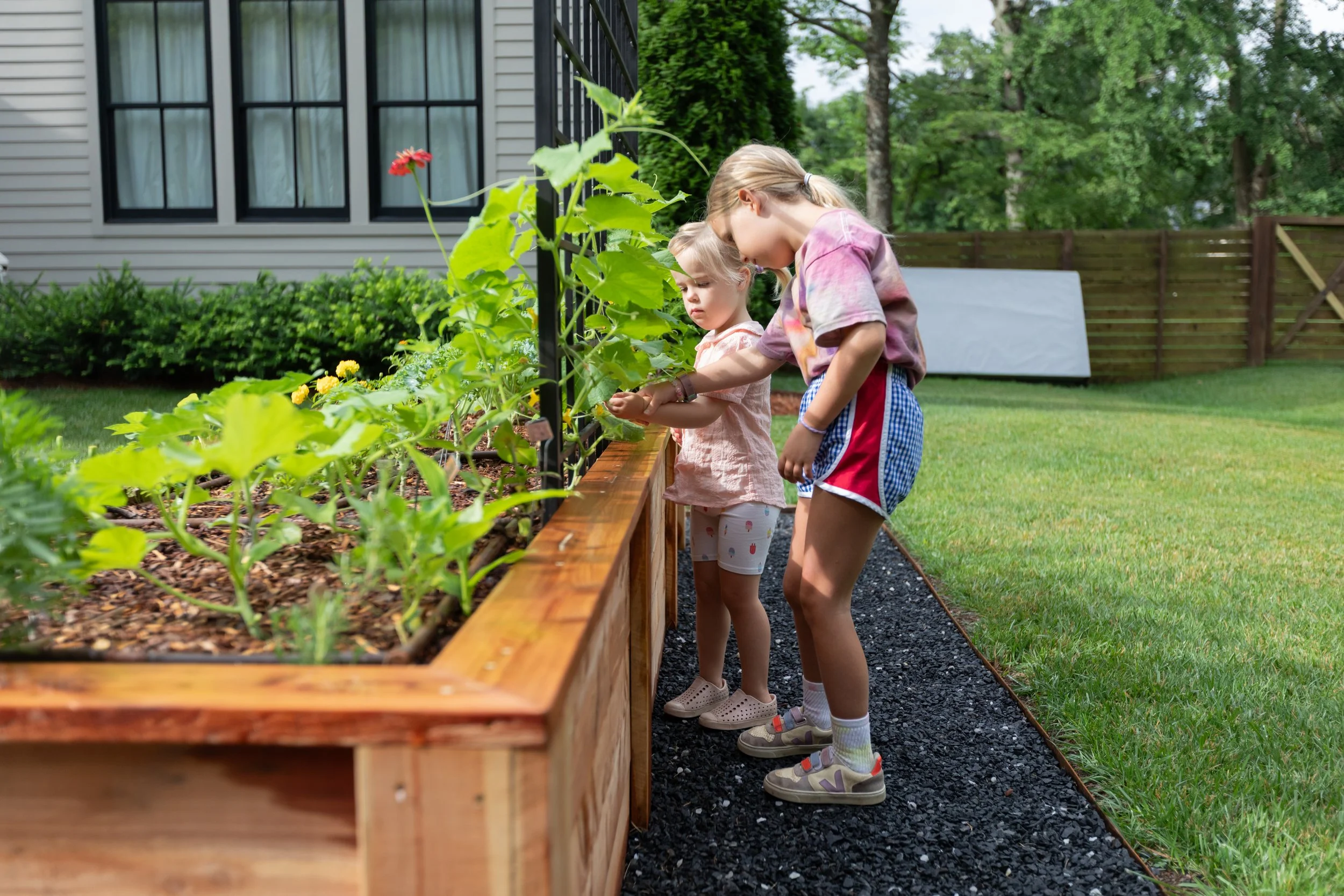
Q&A: What’s the difference in raised beds versus smaller containers versus in-ground gardens in the fall?
We’ve posted a lot about fall gardening on Instagram recently, and we’ve gotten some thoughtful questions about how our garden advice applies to fall plants in smaller containers or directly planted in the ground. Although raised beds are certainly our jam, the difference in growing plants in raised beds, container, or in the ground really matters in the fall, and it can be helpful to dive deeper. All three approaches can produce a beautiful crop of lettuce, kale, carrots, herbs and other cool-season vegetables. But the soil around those plants behaves differently depending on how much of it there is—and how exposed it is to the air around it.
Here’s what to keep in mind:
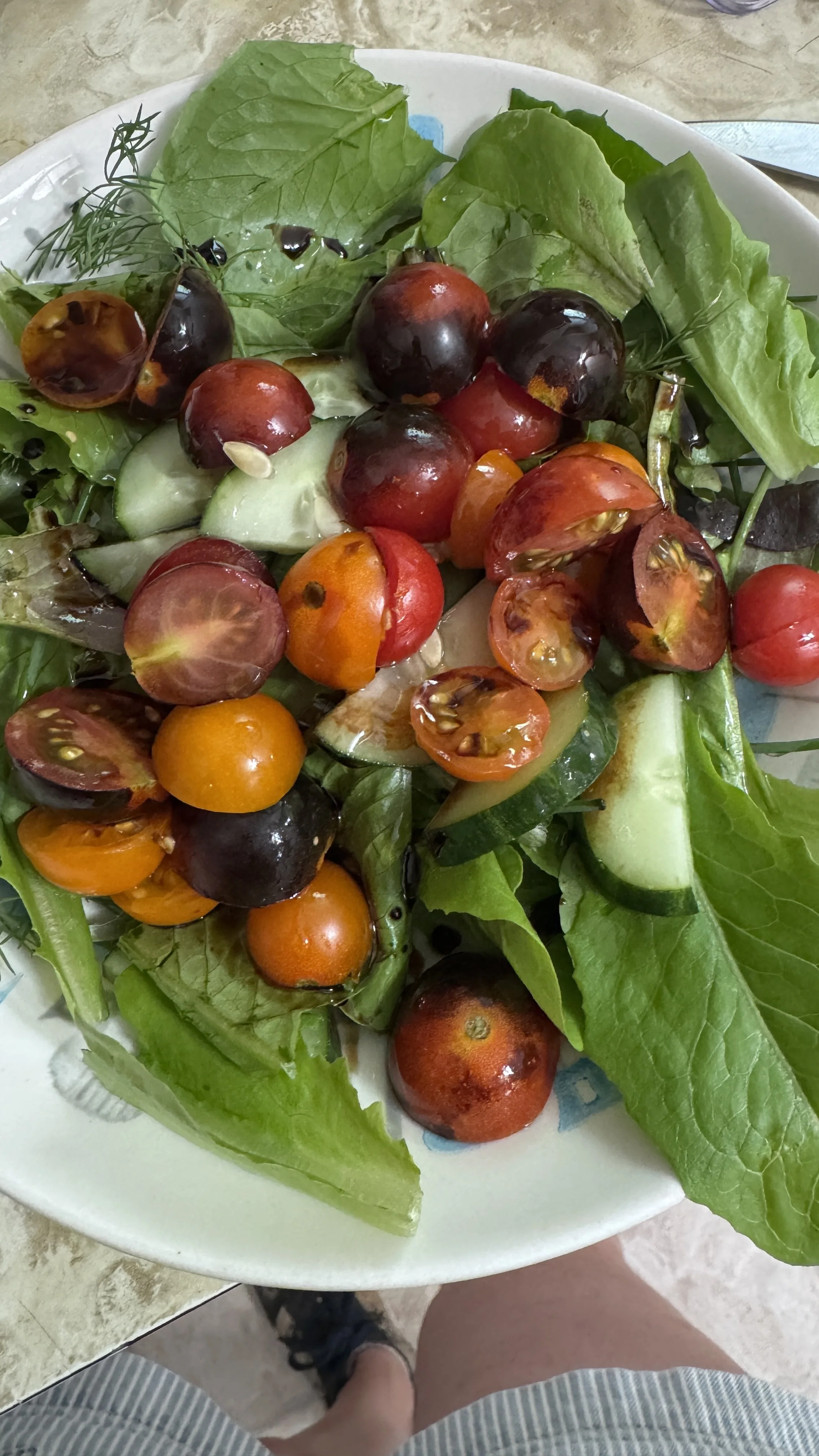
September Is the Other New Year’s
It's been a hot, tired season — but September is a fresh start. Here's what our team is doing to make the next three months count.

Mid-September Garden To-Do List
What to plant, harvest, and tend in your Mid-September garden.
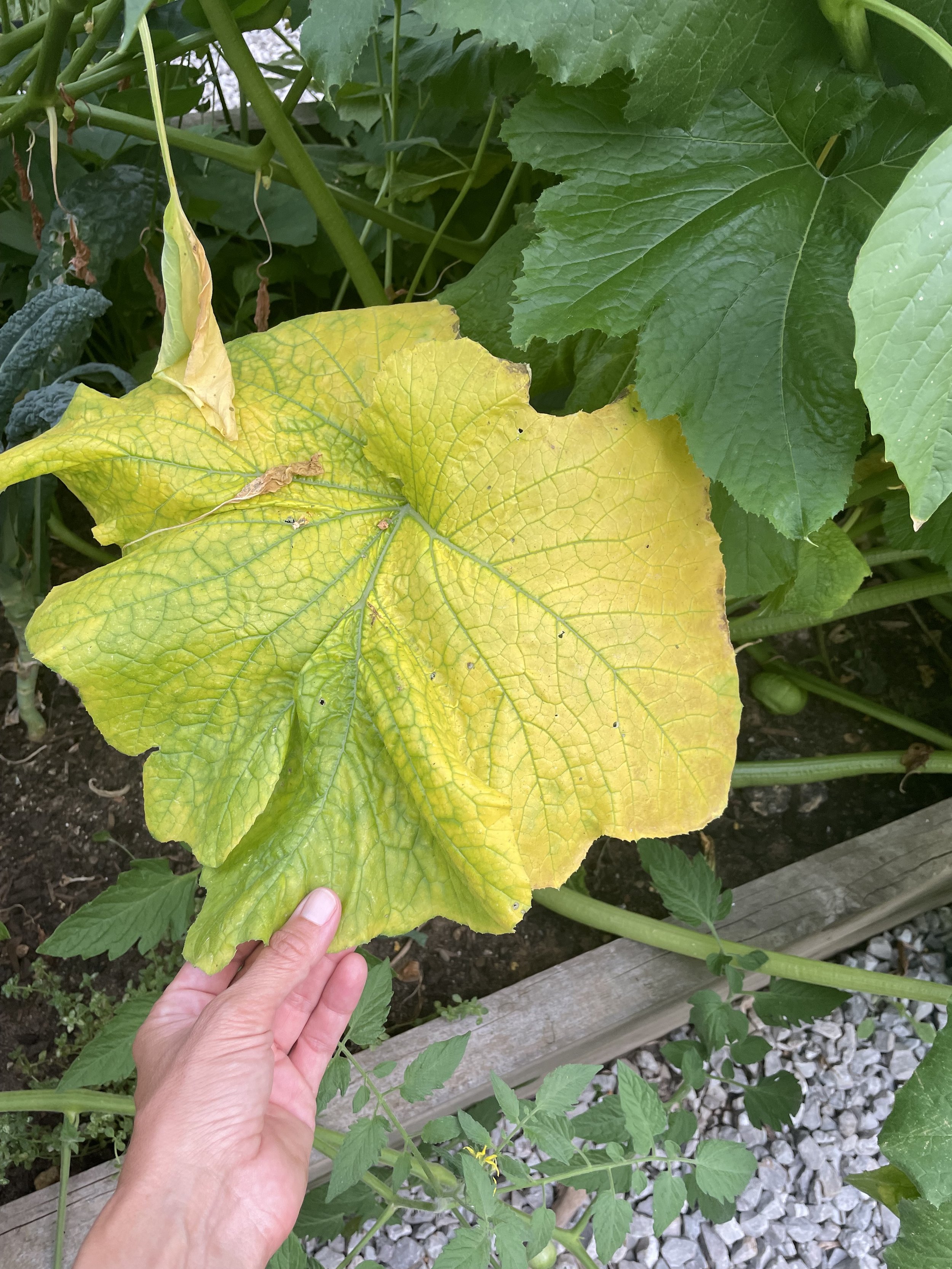
Q&A: My plants dying before summer is over! Did I do something wrong?
When a plant dies before we think it should, our first instinct is often to search for the mistake. Did I water it enough? Did I water it too much? Did I miss a pest? Should I have fertilized it?
Sometimes there is something we could have done differently. But more often than not, a plant’s decline is the result of weather, disease, or insect pressure that no gardener can completely prevent. Learning to separate what is within our control from what isn’t can make us better gardeners—and keep us from taking every dead cucumber personally.
Here’s how to tell the difference.
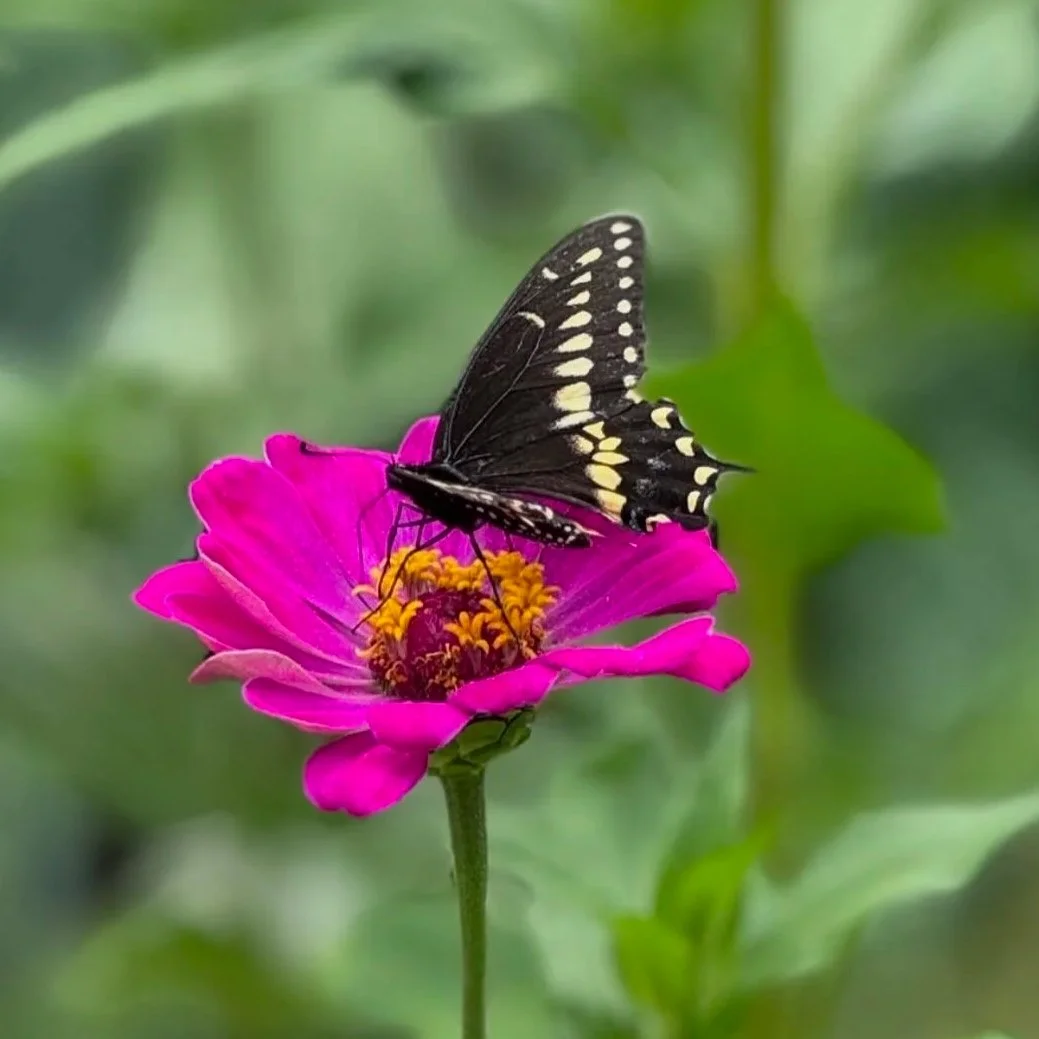
Early September To-Do List
What to plant, prune, and watch for in your Middle Tennessee garden in early September — this year's to-do list, Dolly-style.
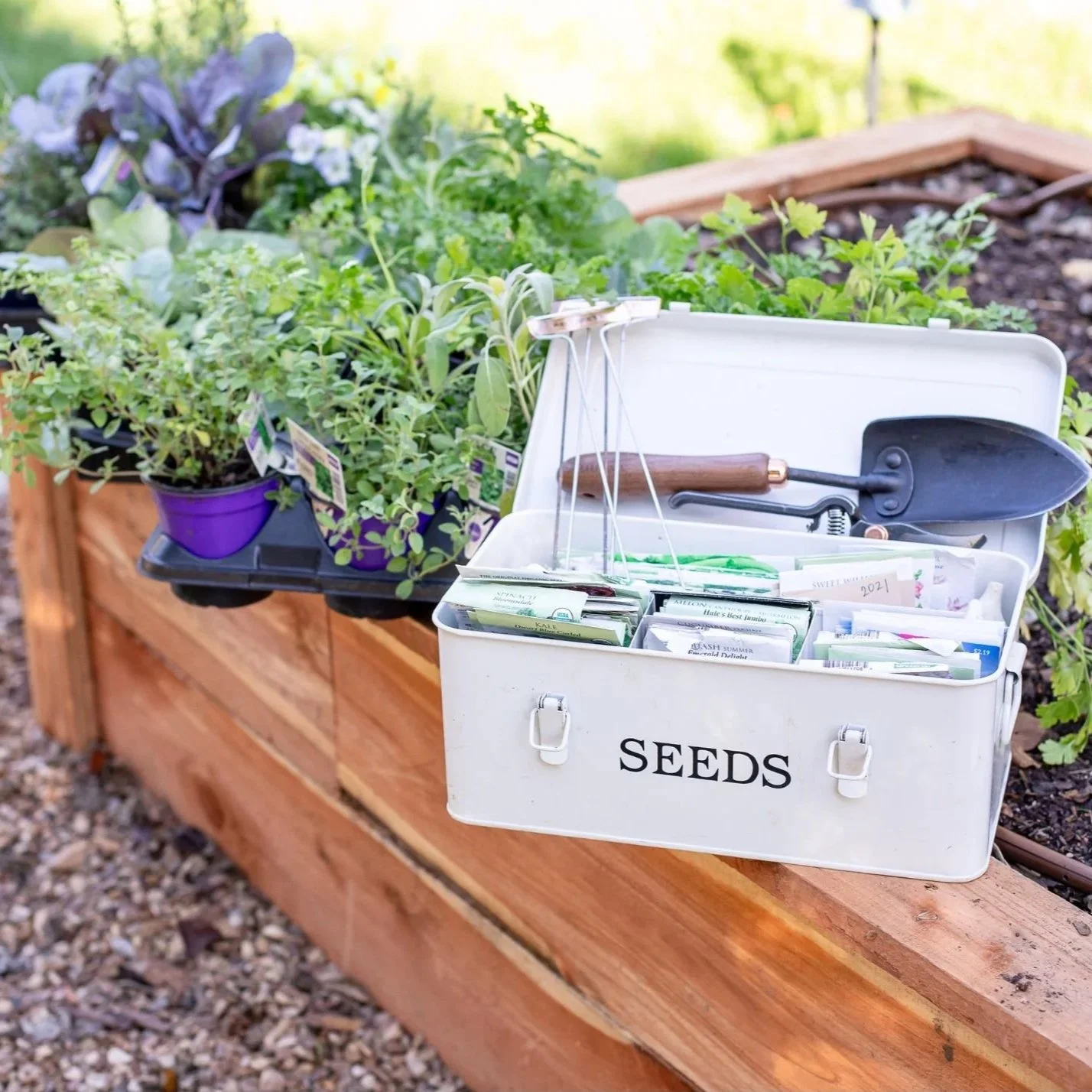
The Busy Gardener's 2-Hour Fall Power-Planting Session
Only have two hours this weekend? Here's exactly what to do first for a thriving fall garden in Middle Tennessee — no wasted time.
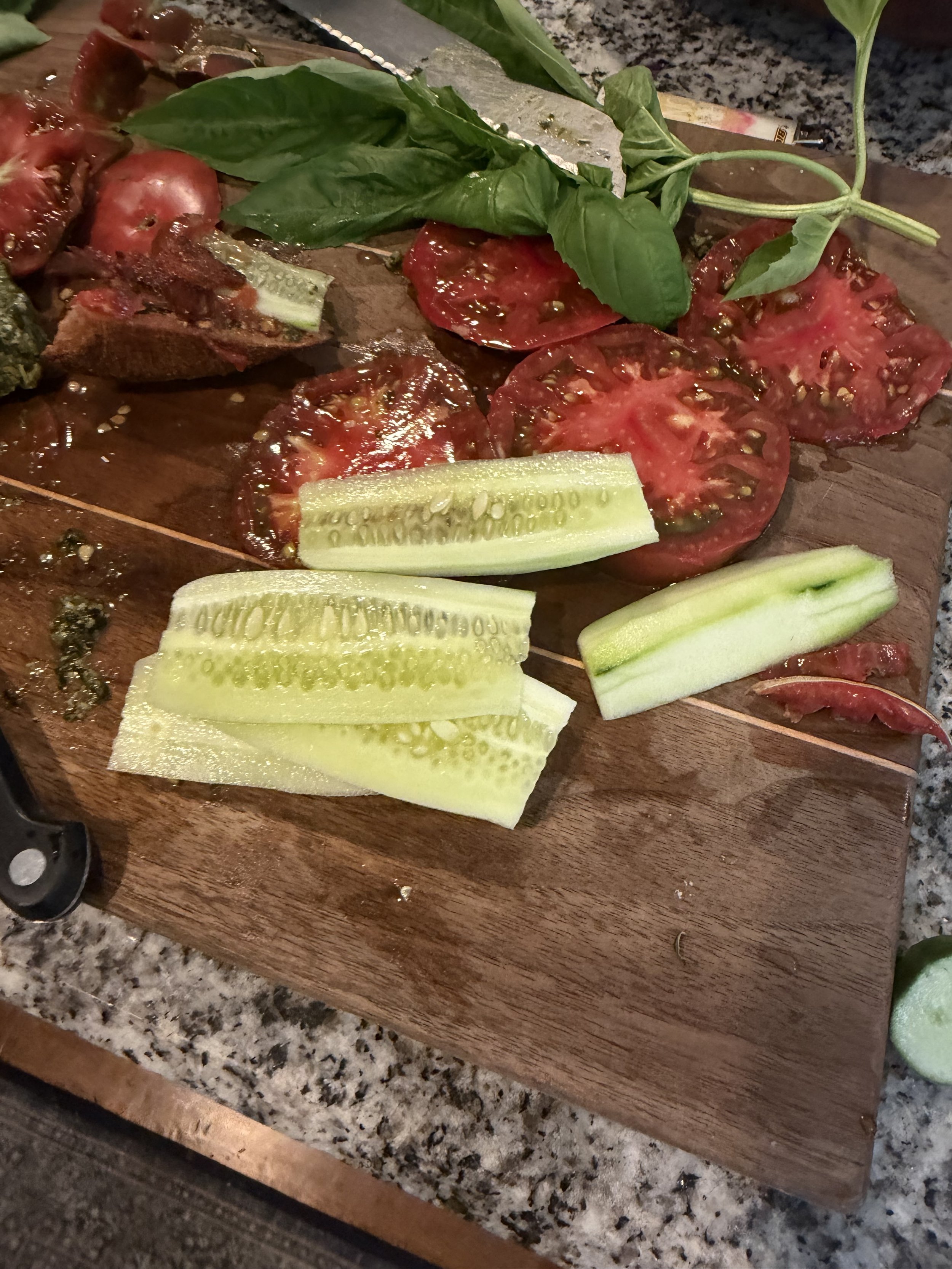
Overcoming the Summer Recipe Rut: What to do with the next batch of zucchini
Tired of BLTs, pickles, zucchini bread, and fried okra? These late-summer recipes take the vegetables filling your garden and turn them into something new, unexpected, and worth cooking again.
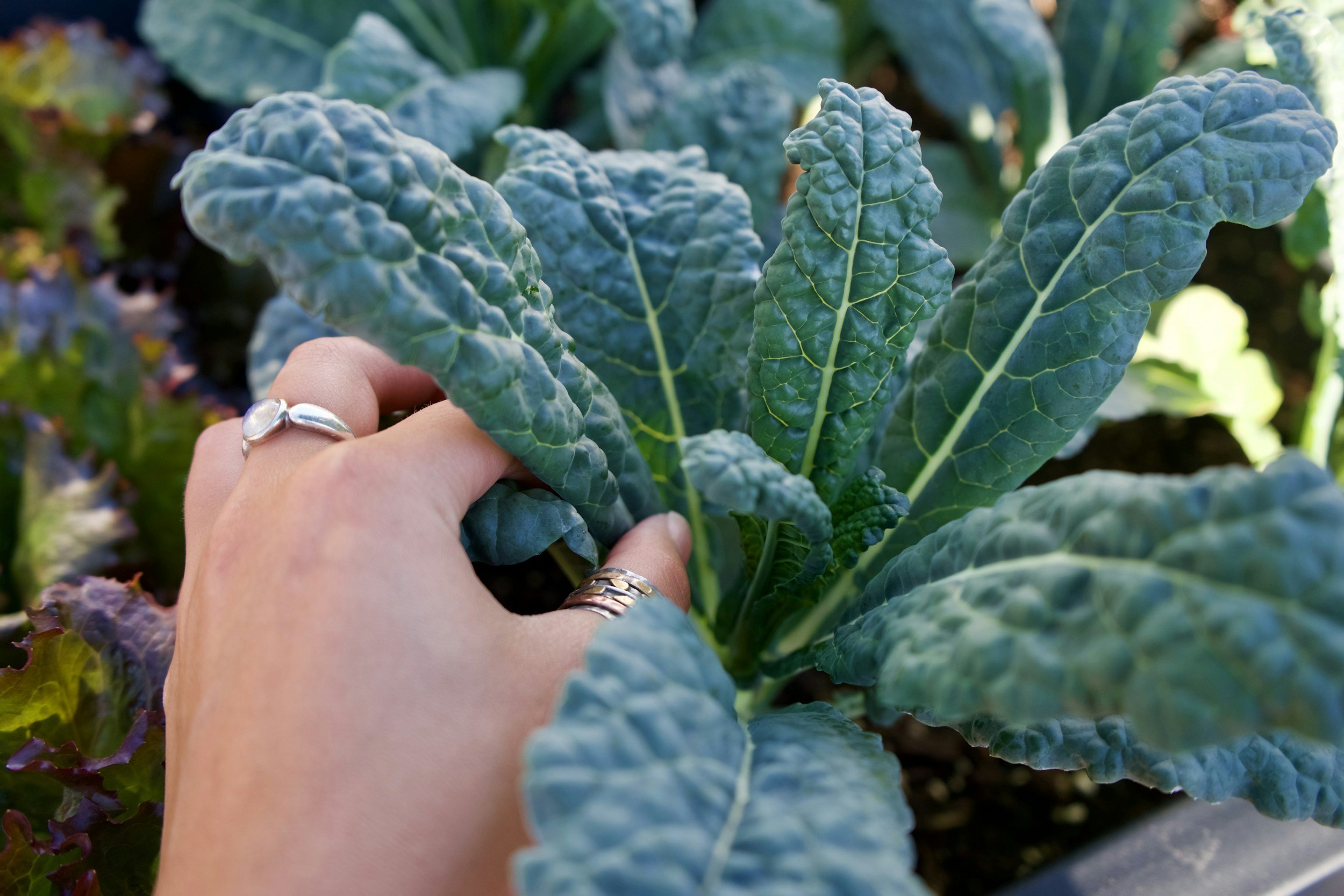
Q&A: What Should I Plant in My Fall Garden?
Fall gardening in Middle Tennessee is one of the best seasons in the kitchen garden — and after six years working with clients across Nashville, we' love that their question is no longer whether to plant a fall garden, but what to plant and how to make it work for their lives right now. From quick salad greens you can direct sow this week to showstopping Graffiti cauliflower and Romanesco, we've organized our full fall planting list by effort level so you can find your fit and get growing.

Mid-late August Garden To-Do List
Mid-August in Middle Tennessee is the perfect time to savor the summer harvest, refresh your garden, and gear up for fall planting. From picking peak-season produce to tackling pests and planning for cooler weather crops, this to-do list will keep your garden thriving through the late-summer heat.
Self-Sufficiency, Seasonality, and the Lessons of the Cyclospora Outbreak
When a couple at the farmers market couldn’t find lettuce, I realized they were trying to escape the grocery-store supply chain—but they were still shopping with a grocery-store mindset. What does it really take to rely less on the grocery store and let Tennessee’s seasons decide what is for dinner?

Q&A: Should we be planting summer or fall veggies right now? (August 1)
Answering the big mid-summer question: when is it too late to plant warm-season veggies?

Early August Garden To-Do List
What to plant, harvest, and tend in your early August garden.
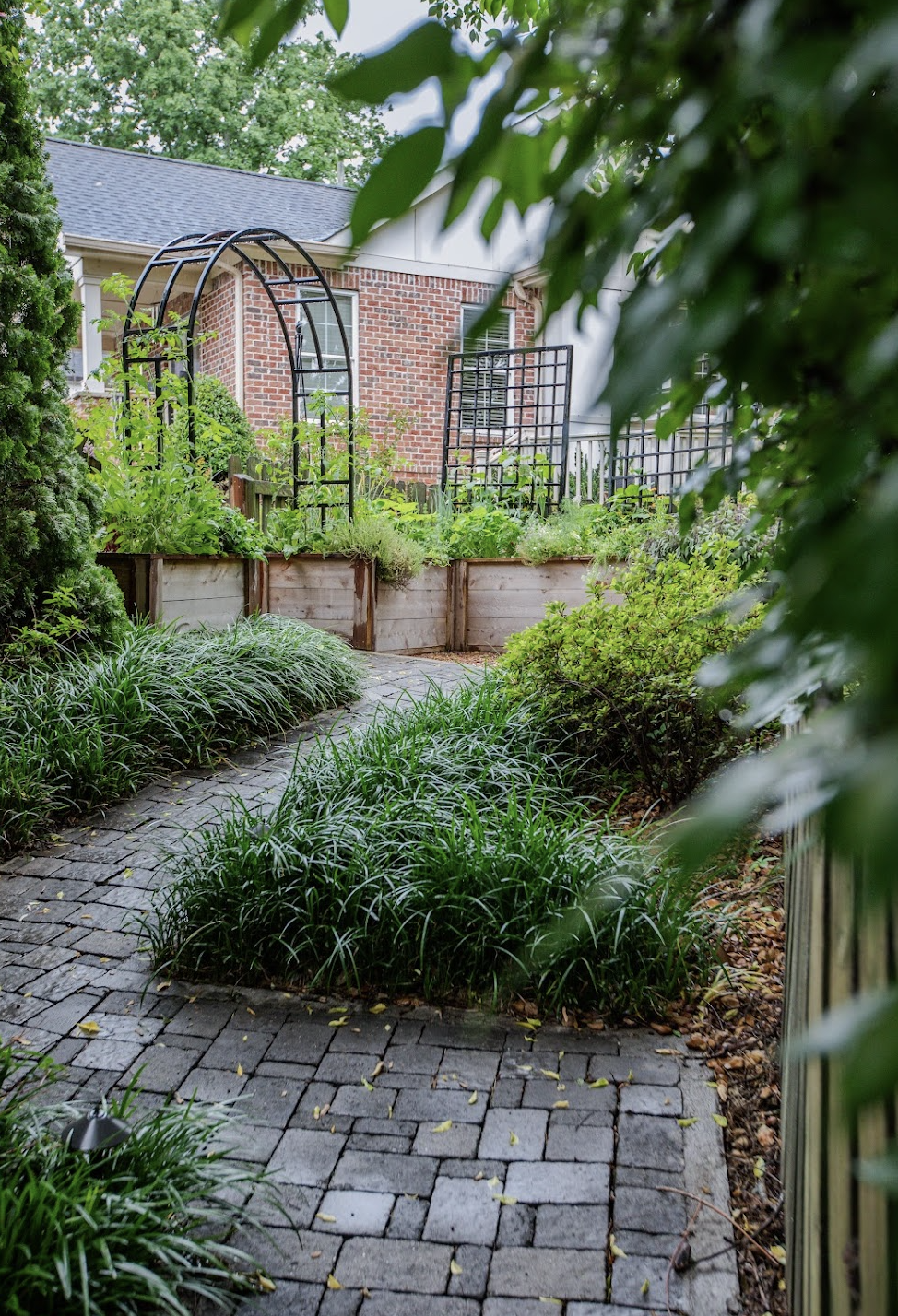
Room to Grow: Designing in Small Spaces
Once you're hooked on gardening, it's hard to stop seeing opportunity. A sunny corner becomes another raised bed. A fence becomes a cucumber trellis. Even the air above your tomatoes starts to look like growing space. In this article, we're touring one of our favorite small-space gardens and sharing how thoughtful design transformed a tiny 12 South backyard into a remarkably productive kitchen garden.
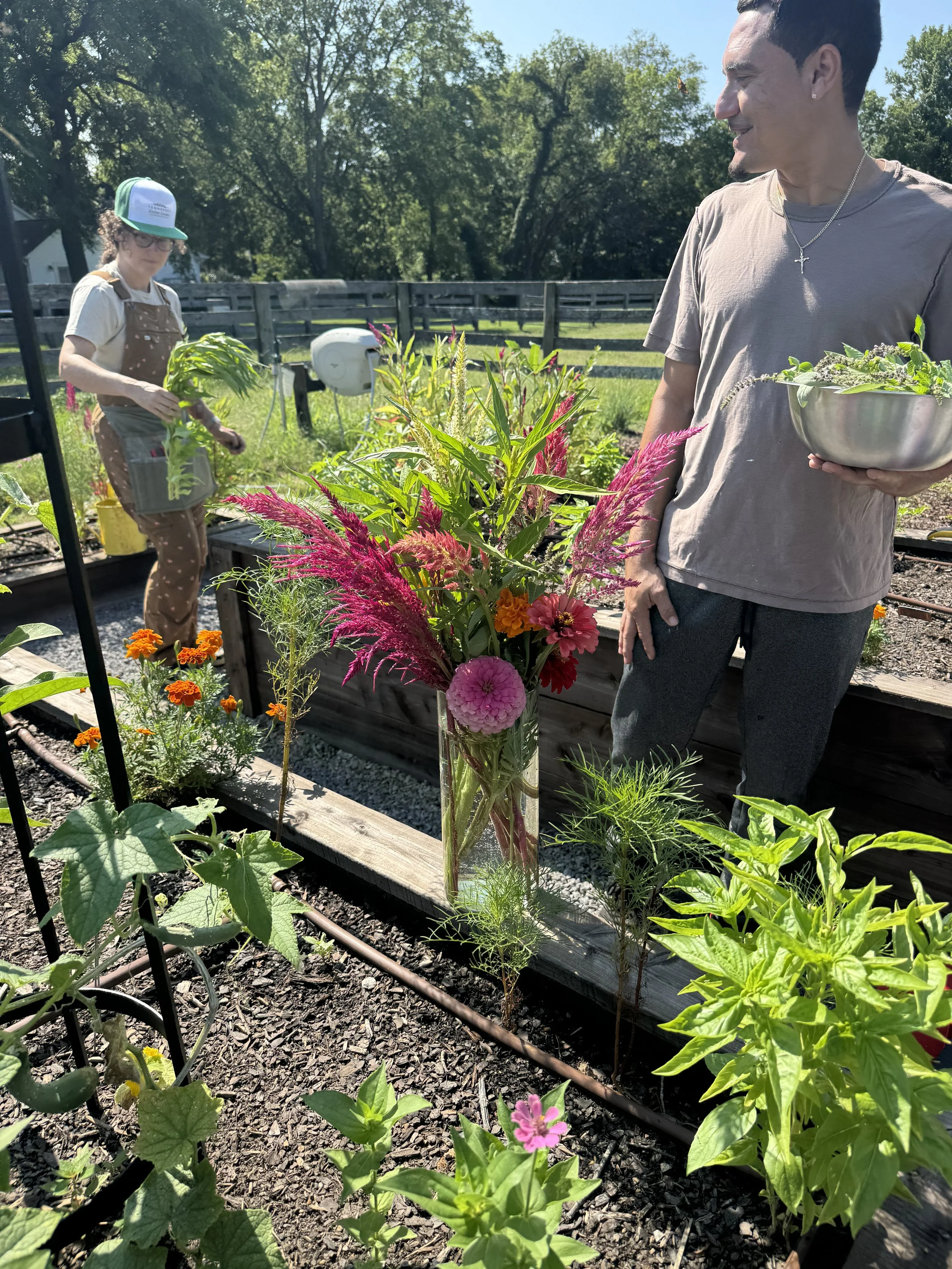
Q&A: What can I do for my garden in this sweltering summer heat? (Besides watering, we’ve got that)
Your raised beds may need more than extra water to survive the summer heat. Mulch can help soil stay cooler, hold moisture, and resist weeds—but in an intensively planted kitchen garden, your plants may already be doing the job. Here’s how to tell.

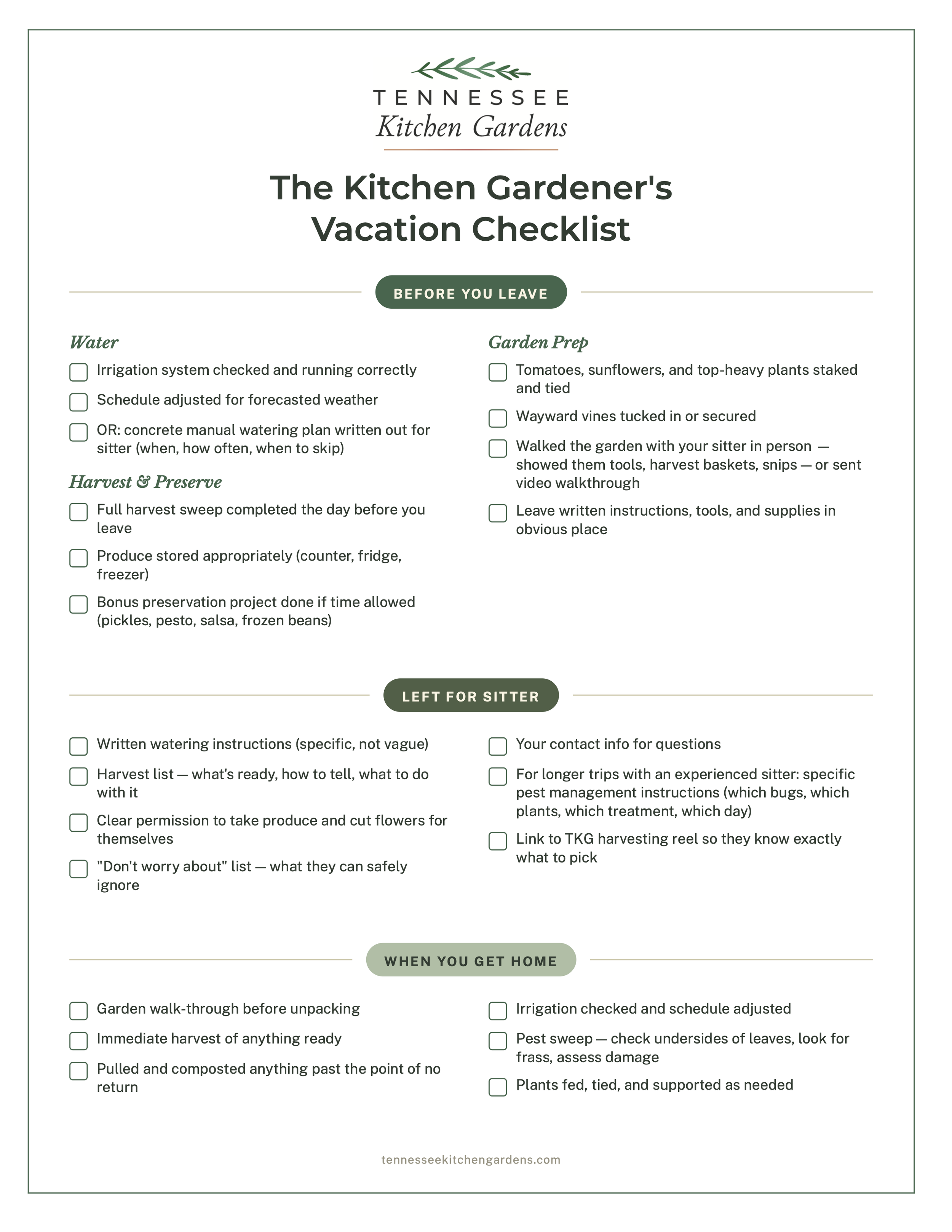
How to Leave Your Garden for a Week (Without Coming Home to a Mess)
Every August, we hear the same story: "My neighbor was supposed to look after the garden, but I don't think they did much." The problem isn't laziness — it's fear. Garden sitters don't harvest because they're afraid to hurt something. And in a summer kitchen garden, doing nothing is doing damage. This guide walks you through exactly how to prep your garden before vacation, what to tell your sitter (including the permission slip they desperately need), and what to do the moment you get home. Plus: a printable Kitchen Gardener's Vacation Checklist so nothing gets left to chance.
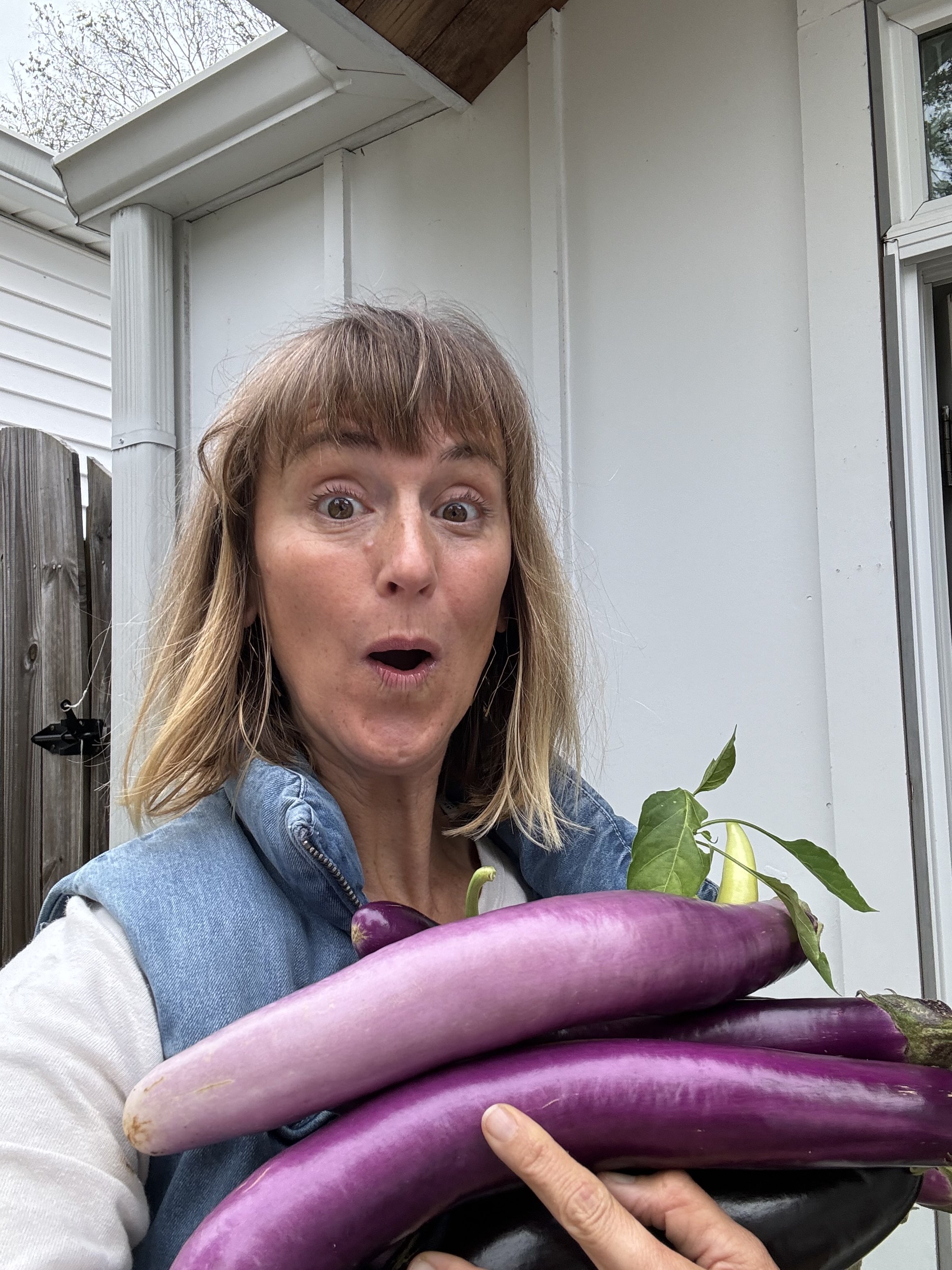
Q&A: My summer garden seems fine right now. What's the deal with fertilizer?
Fertilizer can feel surprisingly confusing. Walk into a garden center and you'll find shelves of products that all sound vaguely similar. Here's a practical guide to the fertilizers we actually use in Tennessee kitchen gardens.
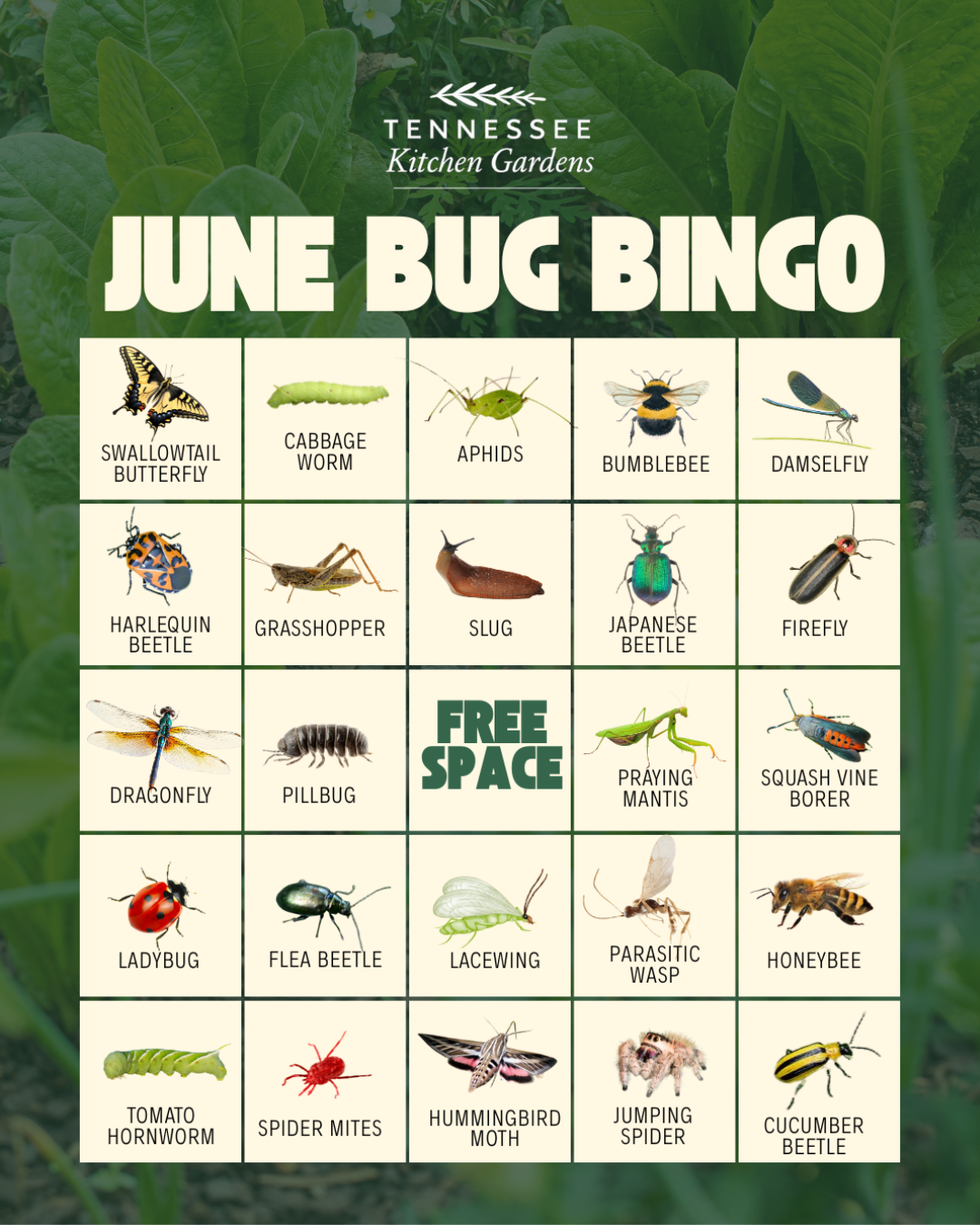
June Bug Bingo
Squash vine borers and hornworms have already shown up early this year — but not every bug crawling through your Middle Tennessee garden is bad news. We made a bingo card to help you spot the troublemakers, the secret allies, and the ones just there to glitter. Curiosity, not combat, starts here.

Q&A: Why isn’t lettuce on the summer veggie pick-list?
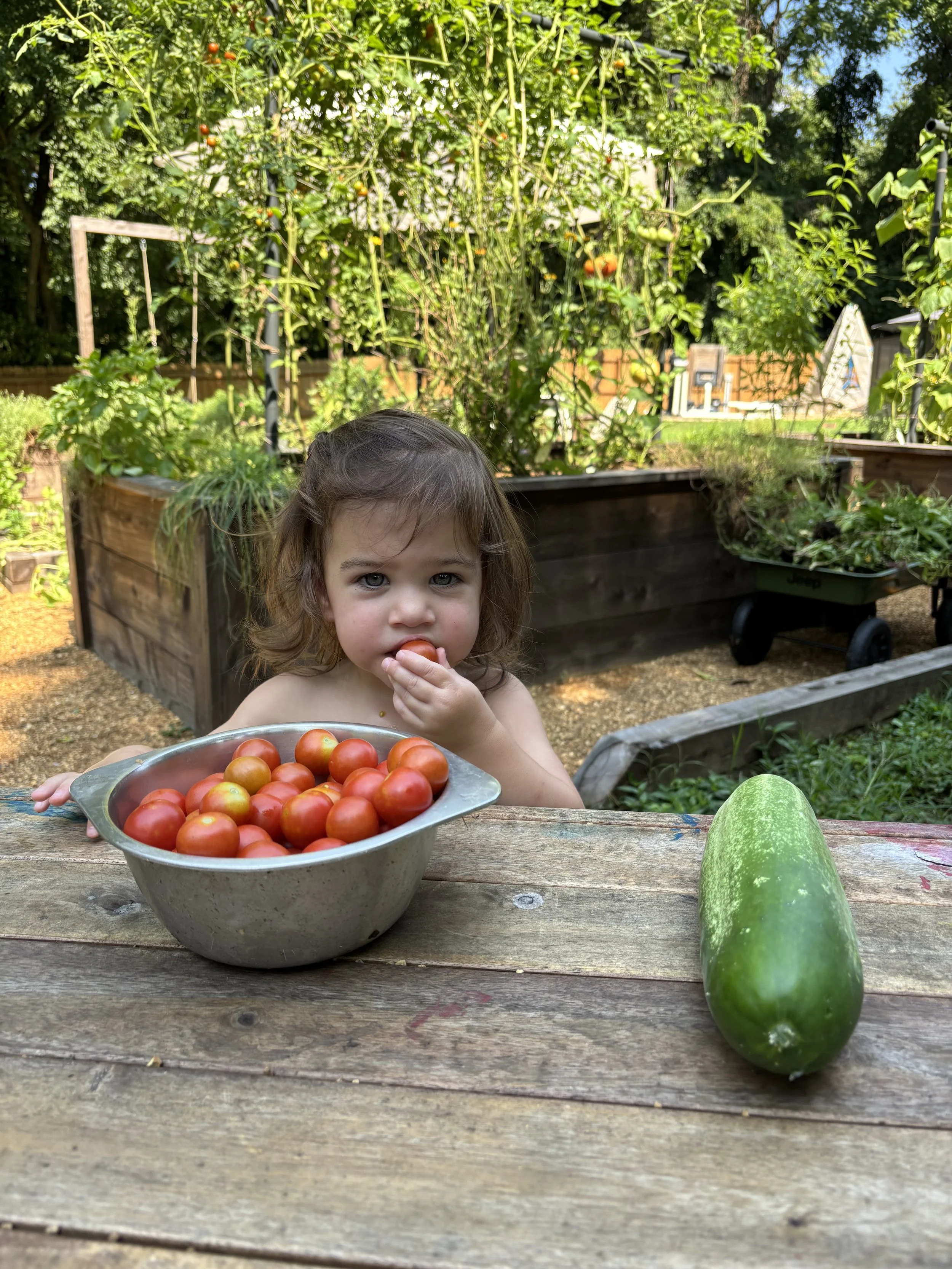
We crave crisp salads in summer, but the garden has other plans. Lettuce is not a natural July phenomenon in Tennessee, and learning what summer actually wants to grow might make you a better, happier gardener.