Q&A: It’s going to freeze next week! Should I Cover my Blueberries?
The short answer: yes — if you can, cover them.
Middle Tennessee is about to experience one of those classic spring plot twists: a hard frost after a stretch of warm weather. Overnight temperatures are forecast to drop to around 22°F on Monday, which is cold enough to damage blossoms on many fruiting plants that have already woken up for spring. Blossom damage leads to fruit damage, or even crop loss. We definitely don't want that.
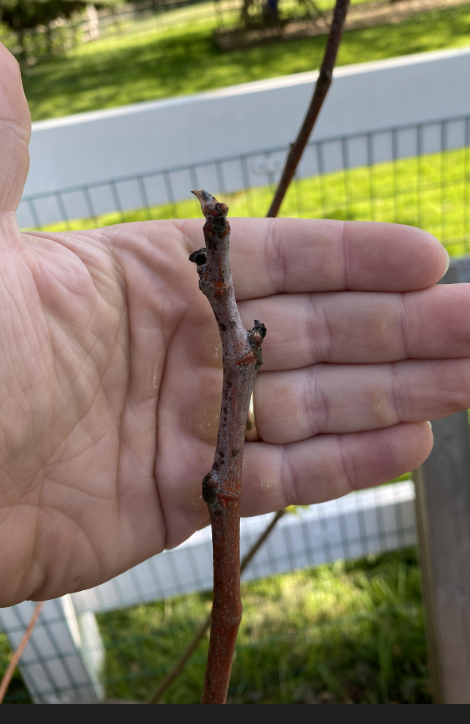
If you're not sure if your blueberries are leafing out or starting to bloom, this is a good moment to get out to the garden and take a peek, then gather supplies and get ready to protect those precious plants!
Why Blueberry Blossoms Are Vulnerable
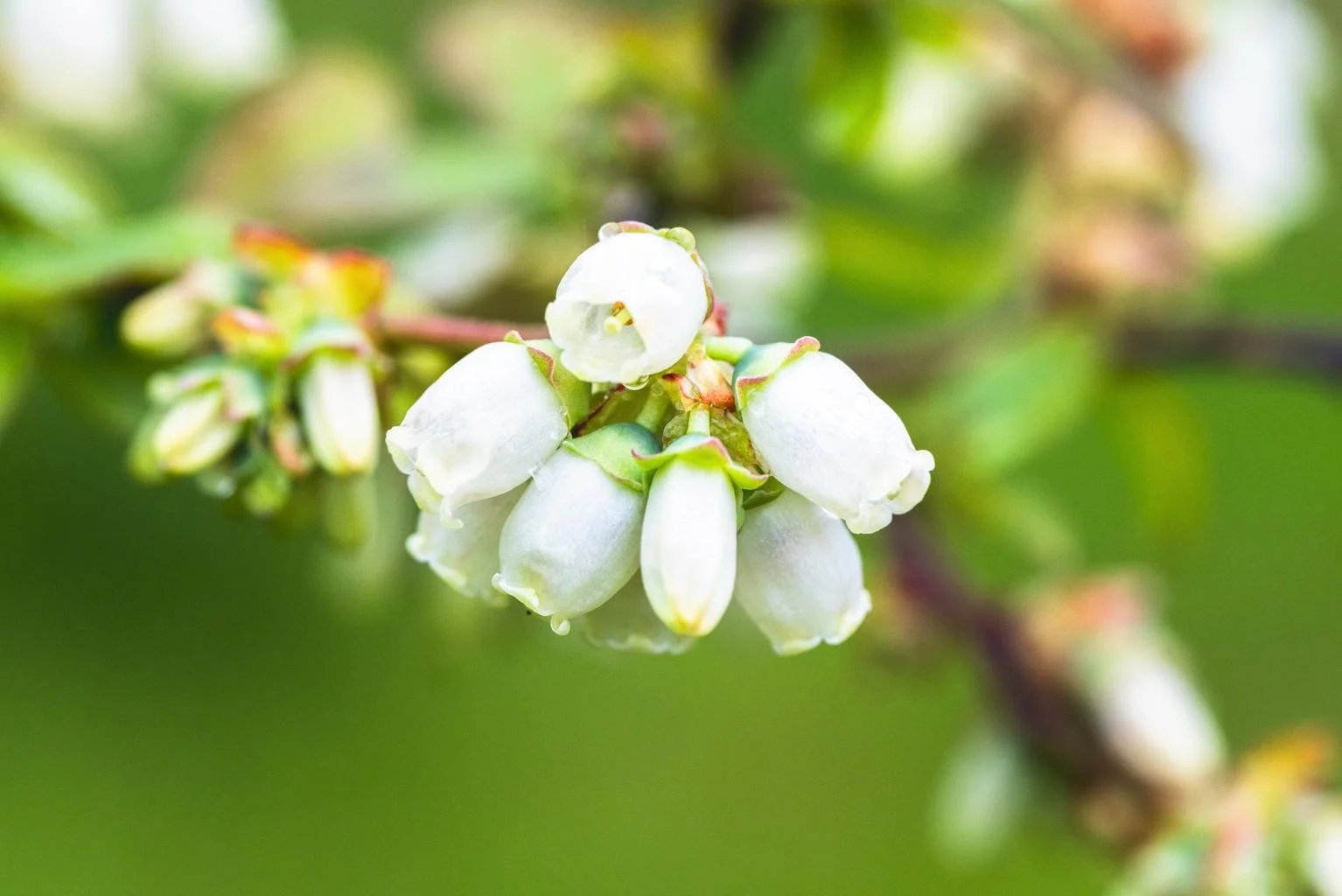
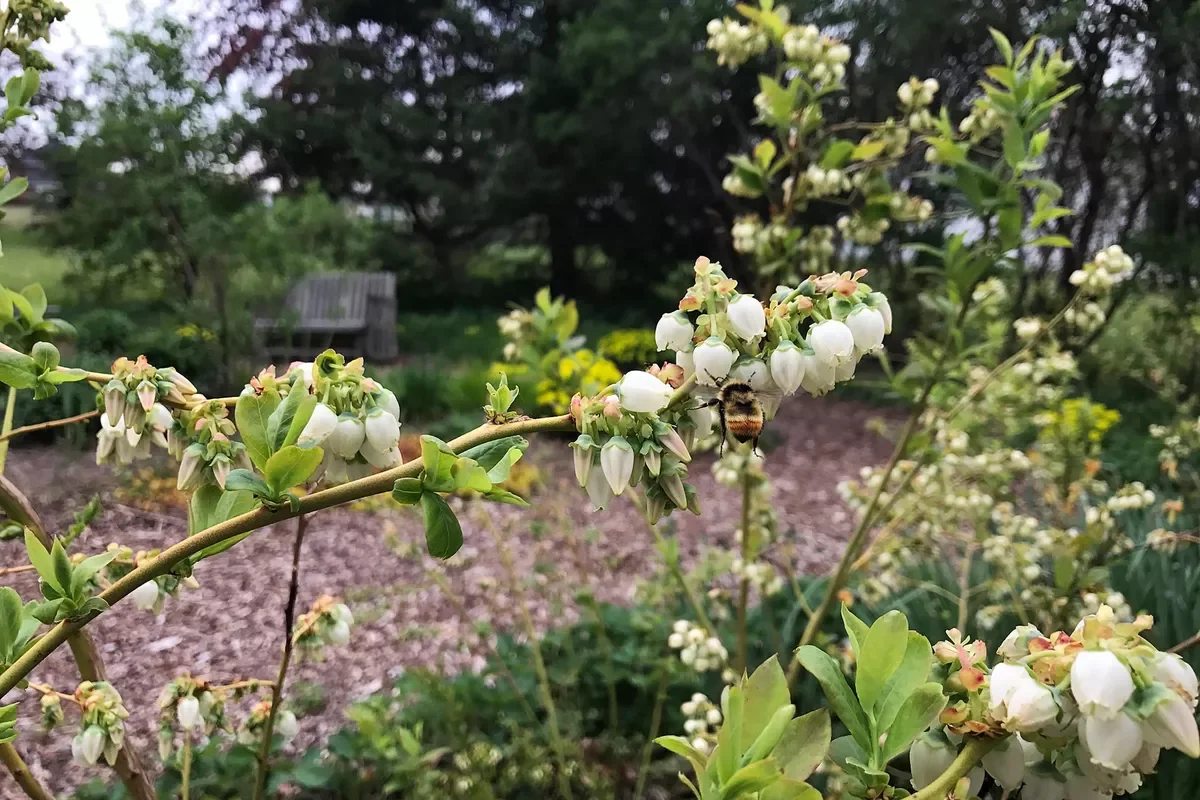
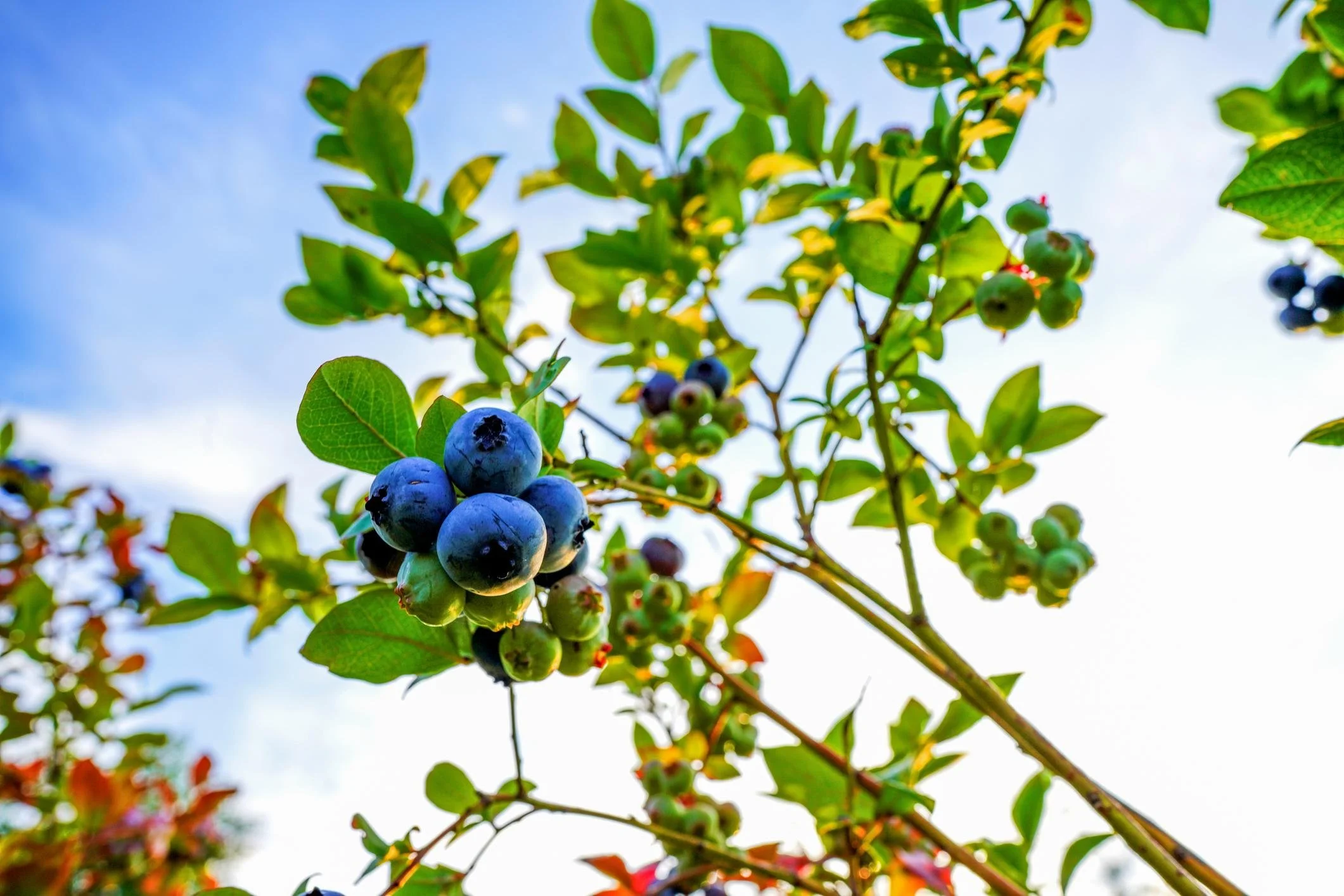
Blueberries themselves are hardy plants; they go dormant through the winter, and those brown sticks can withstand the chill! But new spring buds are tender, and those are the flowers that eventually turn into berries are much more sensitive to cold. Once the buds begin to swell and open, their tolerance for freezing temperatures drops quickly. If flower parts are damaged by cold, they will not develop properly into fruit.
Approximate thresholds for blueberry blossoms look like this:
28°F: open blossoms may begin to experience damage
25°F: significant blossom loss becomes possible
22–23°F: heavy damage is likely
With forecasts dipping to about 22°F, this is exactly the kind of freeze that can reduce a berry crop if flowers are unprotected.
If you want to see how vulnerable buds are at different stages, Alabama Extension has a helpful photo series showing blueberry buds from tight bud through open bloom and explains how each stage responds to freezing temperatures.
Even if some blossoms are lost, it doesn’t necessarily mean the entire crop is gone. Blueberries typically produce many flowers, and plants often have buds at slightly different stages of development.
Still, if your bushes are blooming, covering them for a night or two can make a meaningful difference.

How to Protect Blueberries From Frost
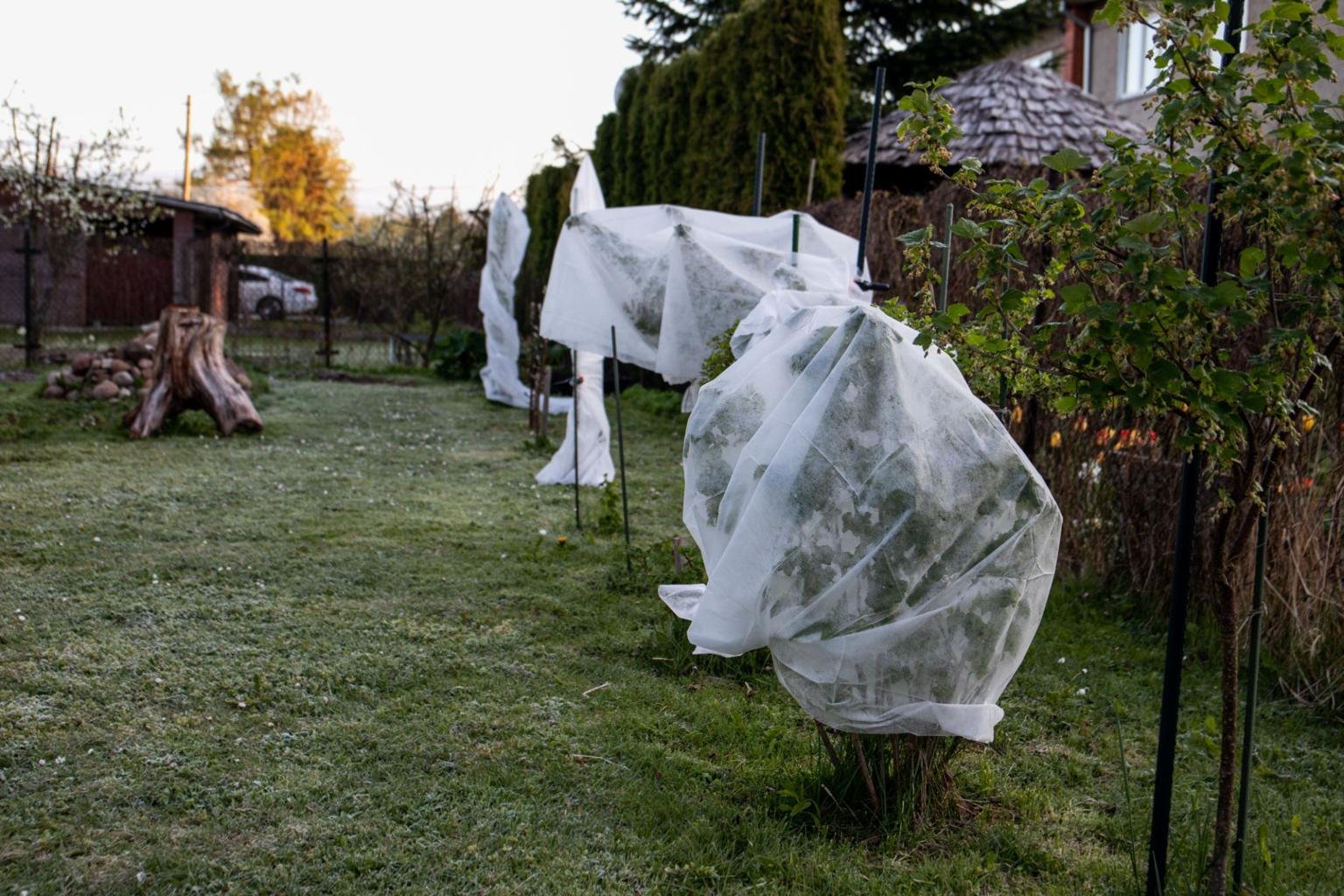
You don’t need anything complicated. The goal is simply to trap a little warmth from the ground and keep cold air from settling directly on the flowers.
A few simple tips:
Use frost cloth if you have it. Row cover fabric is designed for this situation and can provide a few degrees of protection.
Sheets or lightweight blankets work too. Many gardeners simply use old sheets for short cold snaps.
Cover the entire plant if possible. Let the fabric reach the ground to trap warmer air around the bush.
Avoid crushing blossoms. If the plant is tall, place a stake or simple hoop underneath the cover to keep the fabric from resting directly on the flowers.
Remove covers the next morning. Once temperatures rise above freezing, uncover the plant so it can receive sunlight and airflow.
What About Other Plants?
We’ve been getting similar questions about other plants waking up early this spring.
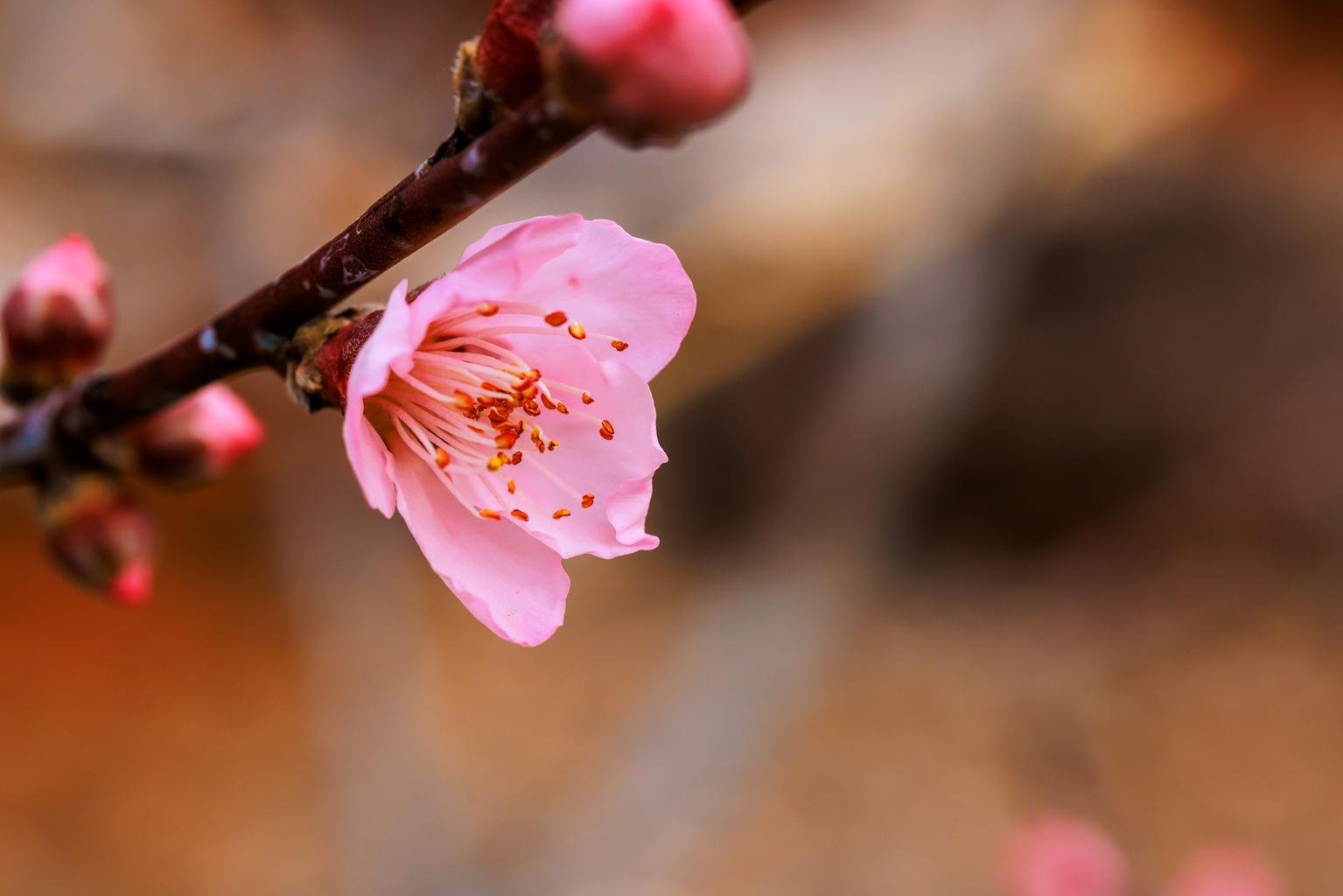
Fruit trees (peach, plum, apple): Blossoms can be damaged in the mid‑20s. Large trees are difficult to cover, but small or newly planted trees may benefit from protection.
Strawberries: Flowers are frost‑sensitive, but a simple row cover works well for protecting them.
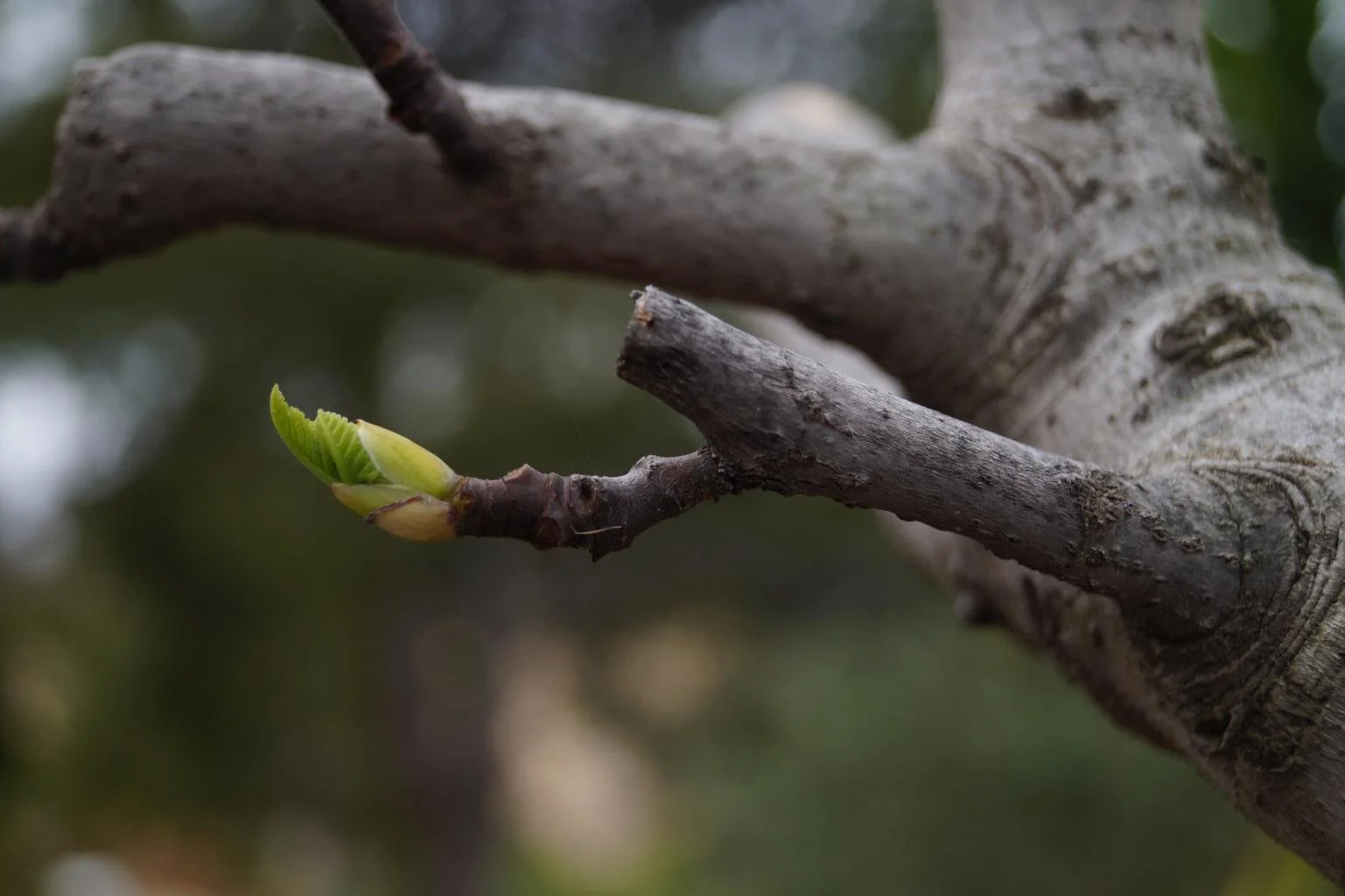
Figs: Tender new leaf growth may be burned by a hard freeze, but most fig trees recover quickly and push new growth afterward.
Raspberries and blackberries: Early flowers can be damaged by hard freezes, but the plants themselves are very resilient and usually continue producing later blooms. If early flowers are lost, the plants usually set additional blossoms and still produce a good crop.
We Knew This Was Coming
Late cold snaps are frustrating, but they’re also a normal part of spring gardening in Tennessee. Warm spells wake plants up early, followed by a reminder that winter isn’t quite finished yet.
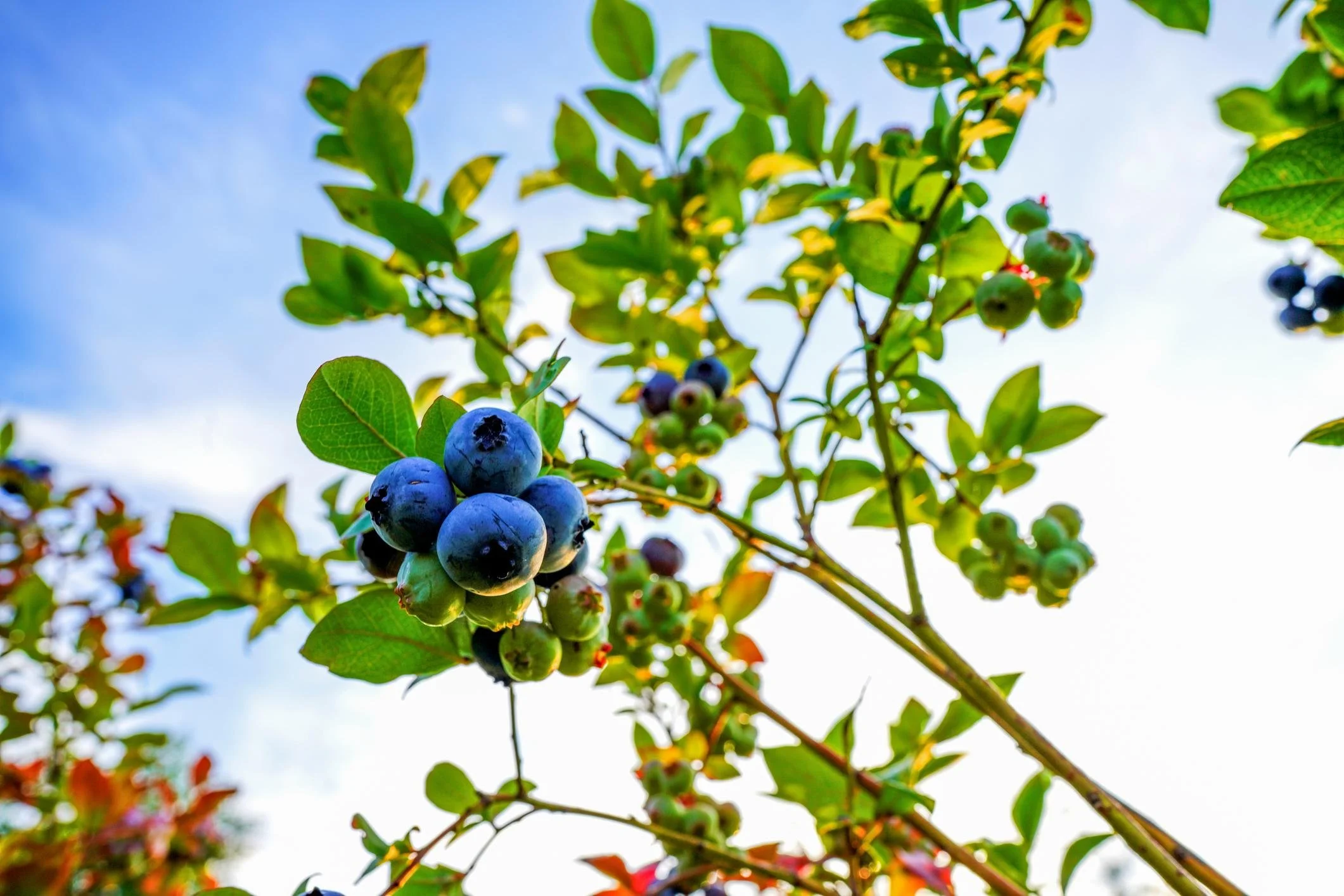
A little frost protection during these swings can make a big difference — especially for crops like blueberries that reward patience with bowls of sweet summer fruit.
If you don’t already keep frost cloth in your garden toolkit, this is one of those moments that reminds us why it’s worth having nearby.