Early June Garden To-Do List
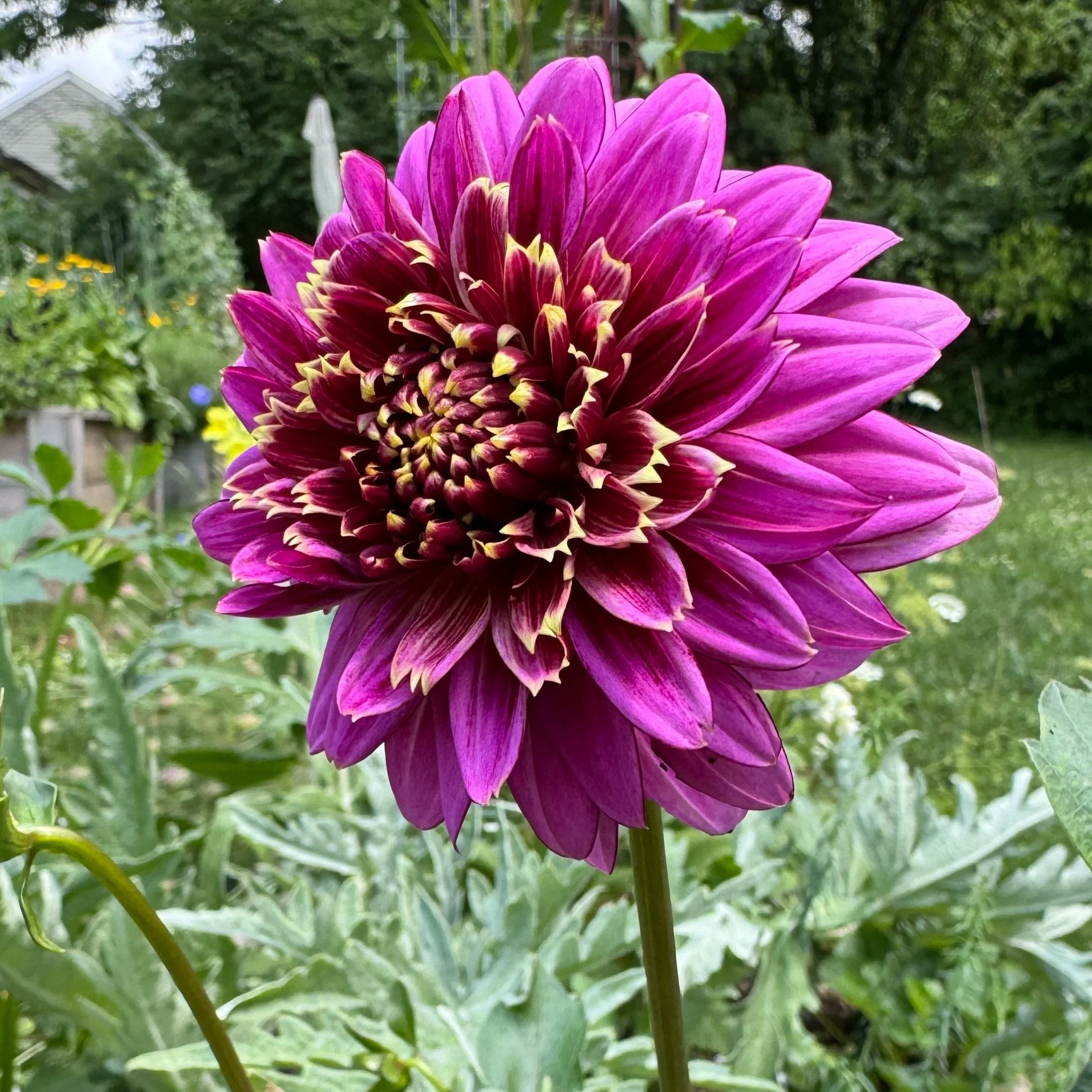
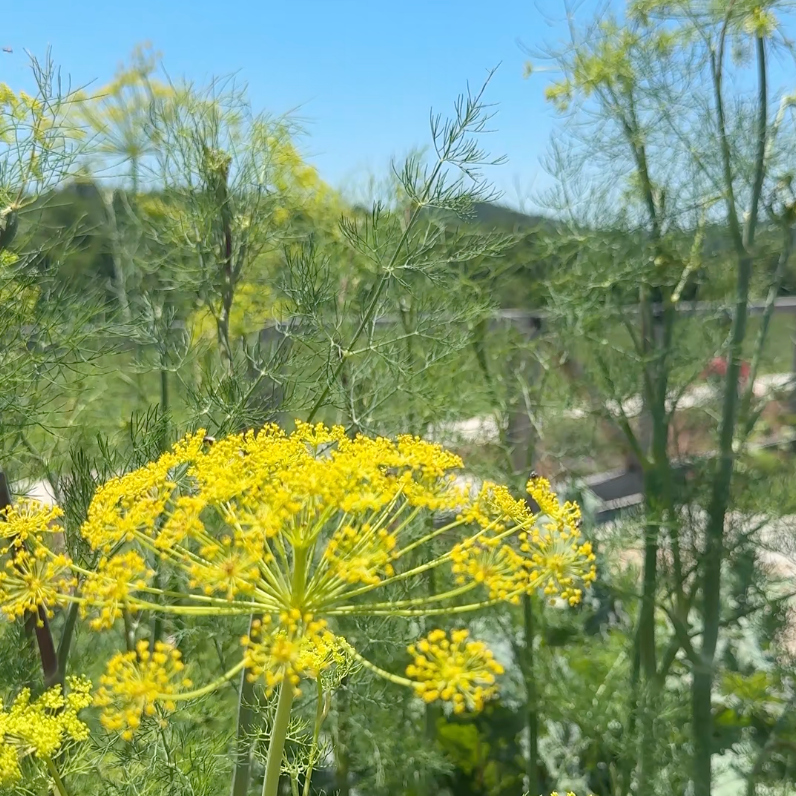
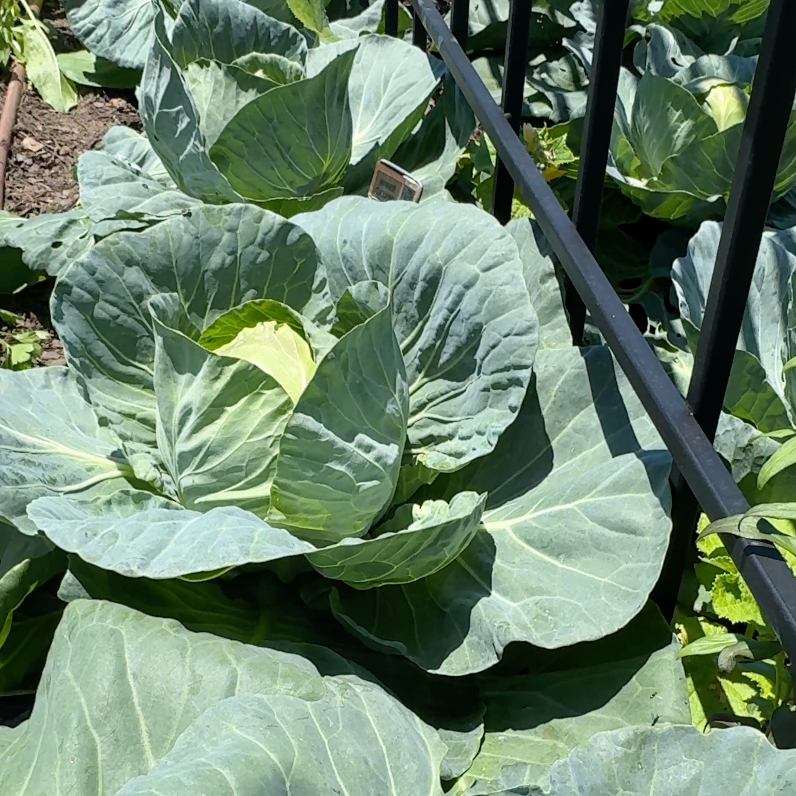
Summer is here and the garden knows it. After a stint of heavy rain, the sun is back and everything has exploded. Some things we're seeing in gardens this week: dill gone to flower with those bright yellow umbels showing up like fireworks against a blue sky. And perfect rows of fat cabbages so gorgeous they have us planning coleslaw this weekend. With fresh dill thrown in, obviously.
June is a different pace than May. The planting push is behind you and the big harvests are still a few weeks out. Right now the job is to pay attention. Check your water, watch for pests, stay ahead of the weeds, and try to take a minute to just stand in the garden at dusk and watch the fireflies.
Read on for your early June to-dos.
Harvest Now
Broccoli, cauliflower, cabbage, and kale: These cool-weather crops won’t last much longer, so harvest generously.
Strawberries, blueberries, blackberries: Eat them straight off the plant or toss them into freezer bags.
Cucumbers and squash: Pick them small for the best flavor and continued production.
Peas: Harvest frequently while pods are tender and sweet.
Garlic scapes: Snip them now to help bulbs size up—plus they taste amazing sautéed or blended into pesto.
Garlic bulbs: Check your garlic — if the lower leaves have browned and you have 5-6 green leaves remaining, it's time to harvest. Cure in a dry, shaded spot with good airflow for 3-4 weeks.
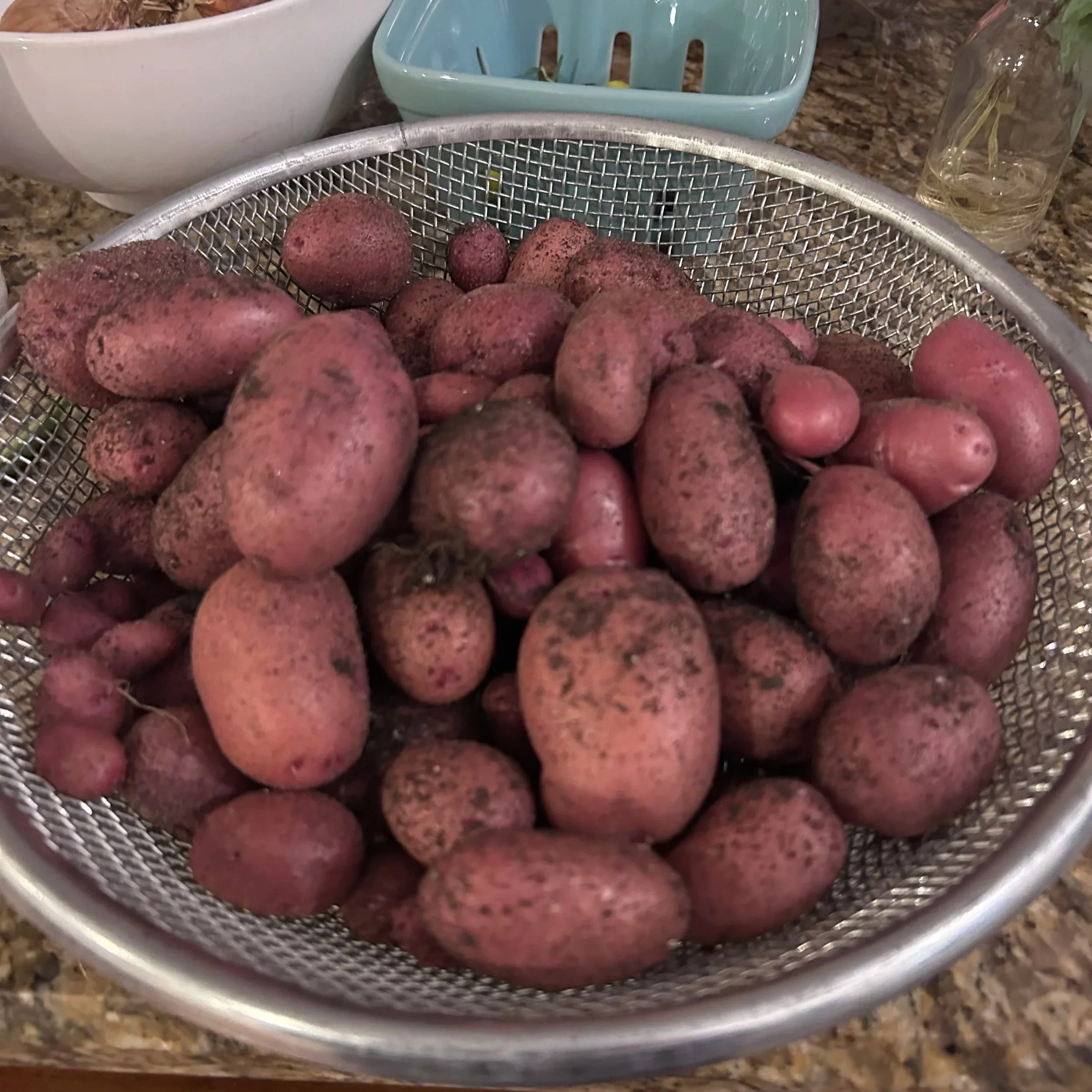
Potatoes: After a wet week followed by sun, now is a good time to dig a test hill and see where your potatoes are. If they're sizing up nicely, harvest before the next heavy rain to avoid rot.
Keep Planting
It’s not too late for tomatoes, peppers, eggplant, melons, and okra.
Beans and basil can be direct seeded throughout June.
Got open space? Try a late planting of zinnias, cosmos, or sunflowers.
Leaf lettuce or arugula can still be tucked into shadier garden spots—shade from a trellis or tomato plant is perfect!
Support & Prune
Guide cucumbers and pole beans up trellises.
Tie in wandering tomato branches.
Snip off damaged or yellowing leaves to prevent disease and improve airflow.
Deadheading flowers: Keep zinnias, cosmos, and marigolds deadheaded (snip off spent blooms) to encourage continuous blooming through summer. If you let them go to seed too early, production slows down.
What about tomato suckers? Check out our Great Sucker Debate article for pros, cons, and how-tos.
Feed & Mulch
Mulch: If you have opens spaces between plants, it’s a good idea to mulch the soil. A protective layer around your plants will conserve moisture, regulate soil temperature, and suppress weeds through the hottest months. You can use finely shredded pine, pine needles, or straw, but be sure it doesn’t contain seeds or any traces of herbicides.
Fertlize: Tomatoes, peppers, and eggplant are gearing up for their big production push. Side dress with compost or apply a fertilizer designed for fruiting plants (like TomatoTone) to keep them fueled. Squash and cucumbers will appreciate it too.
The Birds and the Bees (and other critters)
Squash Pollination: If you aren’t seeing many bees visit your big squash blossoms, use a small paintbrush or cotton swab to rub pollen from the stamen of a male flower on the the stigma of a female flower (the one with a fruit at it’s base).
Scout under squash leaves for egg clusters—remove by hand and drop into soapy water. Squash Vine Borer eggs are small red dots near the base of the stem or leaf. Squash bugs lay a diamond-shaped cluster of purple eggs underneath leaves.
Use BT for cabbage moth caterpillars and iron phosphate for slugs.
Leave flowering herbs like cilantro and dill in place—they attract ladybugs, lacewings, and other beneficials.
✨ Got ladybugs? Don’t spray where they’re working—let them feast on aphids in peace. Remember that many bugs in the garden are good bugs! Be sure to identify them before freaking out. Did you know that lighting bugs eat slugs?! Major heart eyes.
If you haven’t yet, protect your blueberries from birds and squirrels with these covers.
Water & Weather Watch
If you’ve had heavy rain, pause irrigation for a few days.
Avoid working in the garden when leaves are wet to prevent disease spread.
Once things dry out, remove rain-damaged leaves to improve plant health.
Garden Mindset
Mornings are your best friend. Get your chores done early before the heat kicks in.
Make a pitcher of lemon balm or mint tea from your herb bed and take five to just be in the garden.
This is the part of the season where we watch, learn, and enjoy the fruits of our labor—literally.