

Self-Sufficiency, Seasonality, and the Lessons of the Cyclospora Outbreak
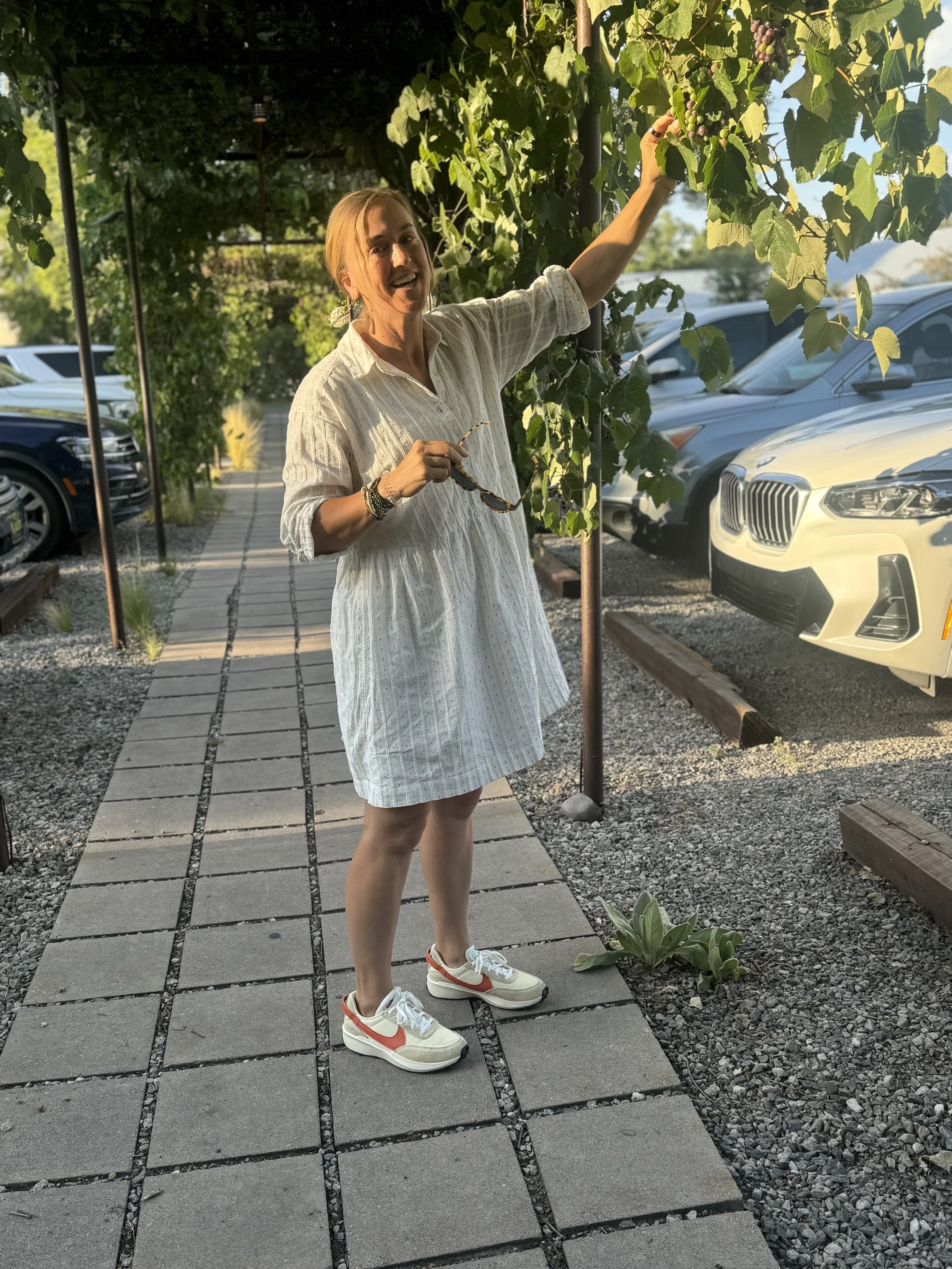
Last Saturday, I was standing in line at the farmers market coffee truck, waiting for my usual cold brew, when I overheard the couple in front of me talking about the produce stalls.
“We can’t find lettuce anywhere,” one of them said into the phone, clearly frustrated.
When they hung up, they turned and caught my eye. I’m sorry, but I couldn’t help myself. I am, on occasion, the resident know-it-all gardener.
“It’s not lettuce season in Tennessee,” I offered, “You might find microgreens, but most local growers aren’t harvesting heads of lettuce in this heat. Once the temperatures climb, lettuce bolts quickly and turns bitter.”
They were remarkably gracious about receiving unsolicited gardening information before either of us had gotten our coffee.
But as they walked away, I suspected why they had been searching so earnestly for lettuce. With the recent Cyclospora outbreak on everyone’s mind, they had come to the farmers market hoping to avoid buying it through the conventional grocery-store supply chain.
Suddenly, our little conversation seemed much more interesting.
Here were two people making an intentional choice about where their food came from. They had gone to the farmers market looking for an alternative to the grocery store. But they were still carrying a grocery-store shopping list. And those two things are not always compatible.
The grocery store has taught us that lettuce is simply an item on a list, available whenever a recipe demands. But once you step outside that system—into a farmers market, a backyard garden or a few raised beds behind the house—you begin to remember something important:
Food is not simply available. It is grown. And everything that is grown has a season.
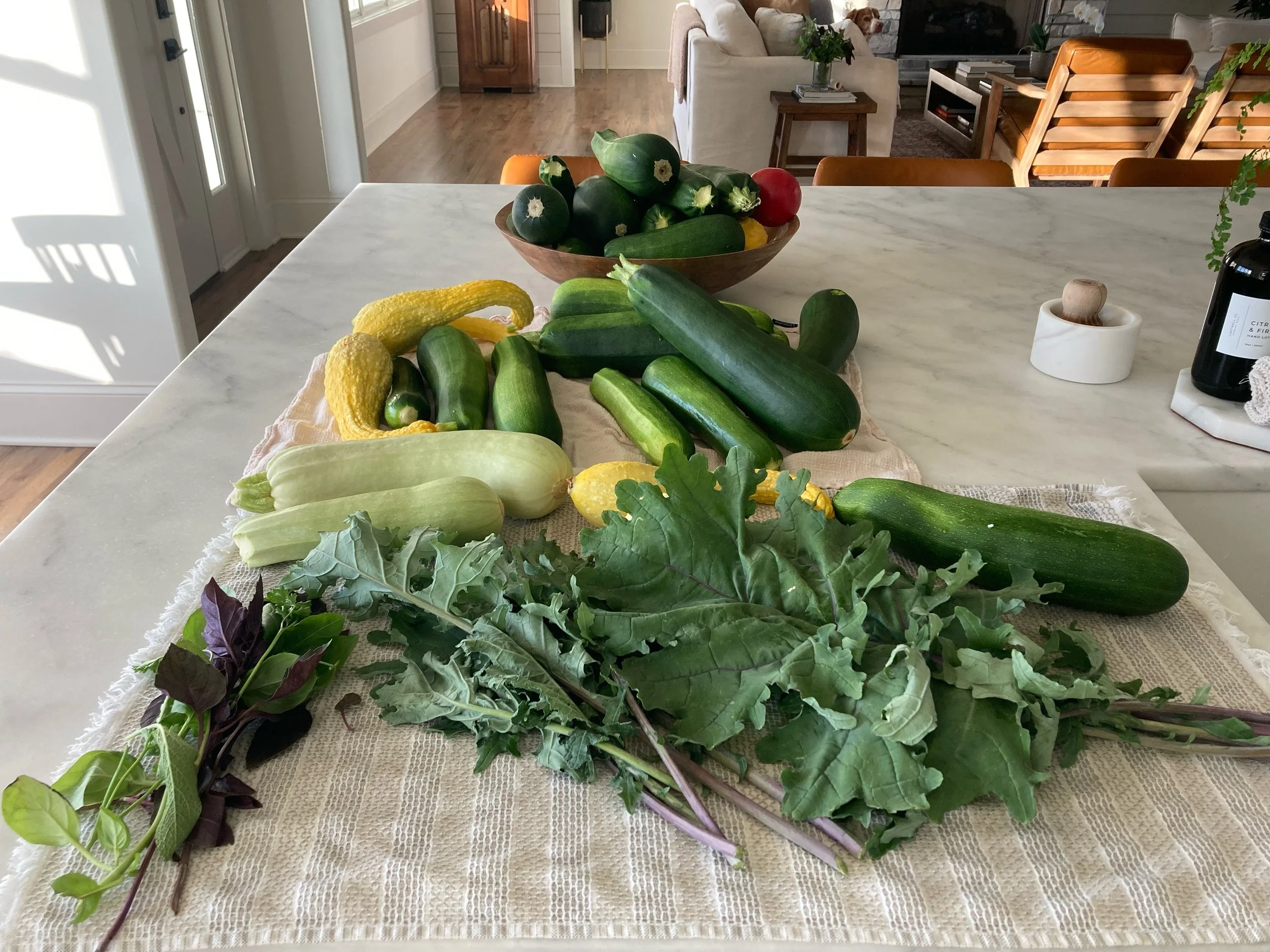
In July, Tennessee’s farmers market tables may not hold many heads of lettuce. They are far more likely to be overflowing with tomatoes, cucumbers, squash, peppers, eggplant, green beans, okra, sweet corn, peaches, blackberries and watermelons. There is no shortage of food. It is simply a different collection of food than the one we planned to buy.
We Don’t Just Need a New Place to Shop
When a food recall or outbreak shakes our confidence in the grocery-store supply chain, many of us begin looking for ways to create some distance from it.
We visit the farmers market more often. We join a CSA, search for a nearby farm stand or finally build the raised beds we have been imagining.
Those are all worthwhile choices. But replacing the grocery store is not as simple as buying the same ingredients from a different seller. You also have to learn what grows where you live. And then you have to be willing to eat it. That sounds obvious, but it requires a meaningful shift in the way most of us plan meals. We are accustomed to choosing a recipe first and then gathering its ingredients. Seasonal eating frequently asks us to reverse the order.
You go to the garden. You visit the market. You see what is abundant. Then you decide what is for dinner. Instead of searching three stalls for lettuce in July, you might come home with ripe tomatoes, crisp cucumbers, basil and peaches. Your planned green salad becomes a tomato-and-cucumber salad. Or a peach-and-tomato salad. Or tomato sandwiches with cucumbers on the side. The missing lettuce is not necessarily a problem to solve. It may simply be the season telling you to make something else.
Seasonal Eating Is a Skill, Not a Preference
I still wonder what that couple chose to do. Did they give up and hit Publix on the way home for a defeated purchase of arugula in a plastic box? Or did they peruse the stalls at Richland Market with more openness for what they saw? I wish I had said more, know-it-all or not. I wish I had told them how to grow microgreens on their counter, and how sprouts on a cucumber, bacon and tomato sandwich can usurp the role of the BLT, shockingly enough. I wish I had mentioned how much I love summer grain bowls with roasted eggplant, tomatoes, and even late season carrots. There’s babaganoush! Roasted Tomato Labneh! Pesto on cold pasta!
I would tell them that they can certainly do without lettuce for another few months, but maybe it’s helpful to start small. Learn five meals that can change with the season. Egg scrambles, grain bowls, pastas, roasted veggies can taste great with anything in the garden. It may mean keeping rice, pasta, beans, good vinegar and olive oil in the pantry so that whatever comes home from the market can become dinner. It may mean freezing pesto in July, preserving tomatoes in August or buying extra berries while they are abundant.
Perhaps the goal is not to avoid the grocery store completely. Perhaps it is to need it less blindly. To understand which foods come from our garden, which come from our community and which still travel through a larger system to reach us. To know enough about the seasons that when lettuce disappears, dinner does not disappear with it.
