

Why Spring Greens Matter More Than You Think
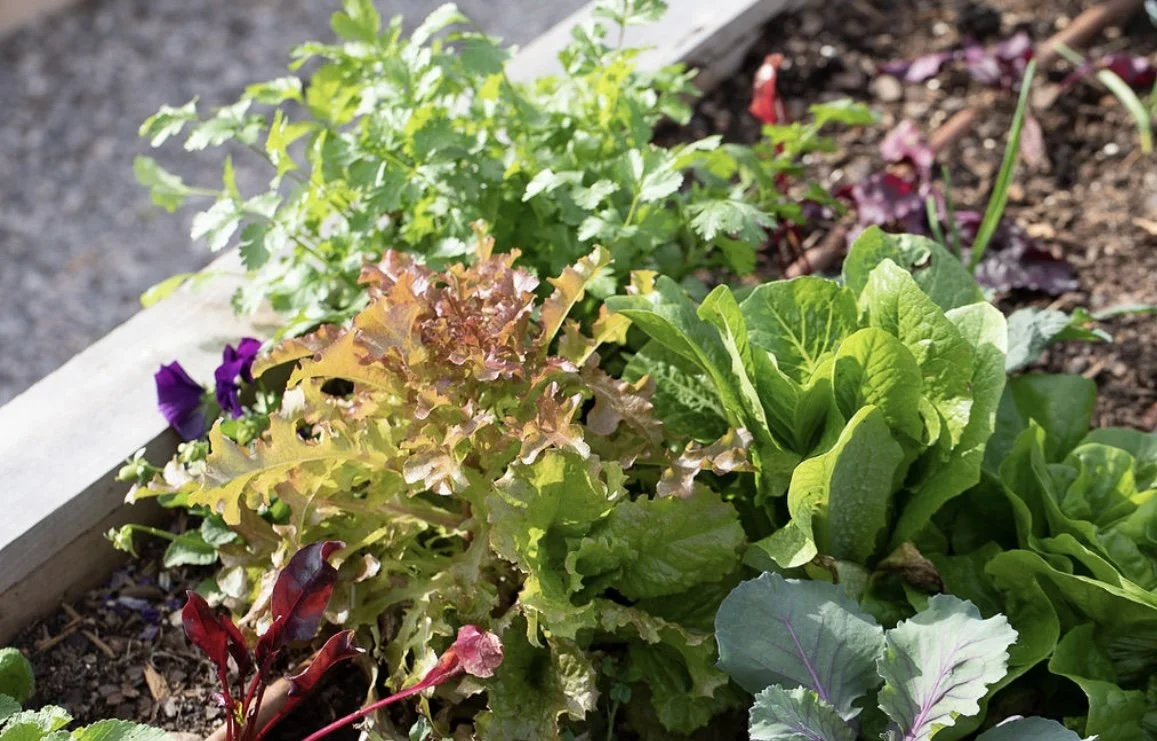
While I was away in February, the Tennessee Kitchen Gardens maintenance team planted my little garden for me as a part of spring training. Which is lucky—because as soon as I got home, the phone started ringing off the hook, and I’ve been sketching gardens and crunching numbers without much time to pause— or plant my own garden.
This week alone, I’ve had three 2 a.m. computer sessions. Not my finest era.
This morning, I wandered out to the garden, snipped a handful of the 3 inch tall arugula, and started eating it straight from the bed like a wild-haired garden zombie. No bowl. No dressing. No real plan. Just me, standing there in the yard, trying to remember what day it was. And honestly—it was exactly what I needed. Not coffee. Not a bacon and egg croissant. Just something fresh and easy on my tired system.
Standing there, I had this quiet realization— this wasn’t just about a busy week or a lack of sleep. There’s something about this time of year that changes what we crave.
I read this idea from Jo Robinson’s book, Eating on the Wild Side several years ago. (Yep, I probably refer to this book at least once a year on the blog) In it, Robinson describes how for most of human history, spring greens were the first fresh, living food people had access to after winter, and people ate a lot of them. It may sound like these primitive people were really stuck in the dark ages— munching on leaves sounds terrible when you’ve got Thai takeout down the street. But then Robinson explains how hunter-gather populations that consumed calcium-rich wild greens had much denser bones that Americans today. Our ancestors were on to something.
So what is it about spring greens that make them healthy? What kind of greens should we eat? And how do we harvest and serve them in a way that maintains that spring goodness?
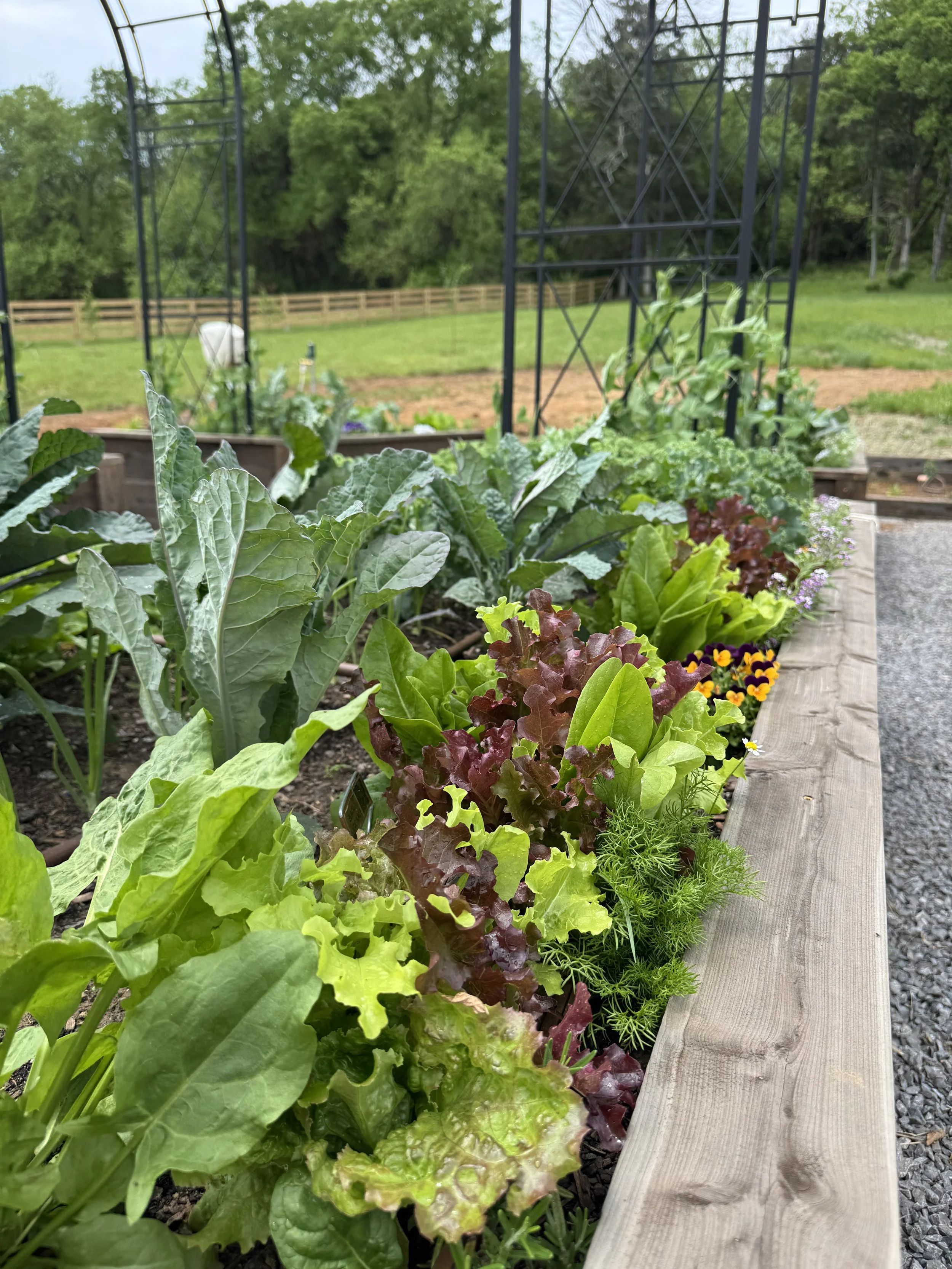
Let’s start with the part we’ve been trained to avoid: Bitterness. That slightly sharp, peppery, sometimes almost spicy taste you get from arugula, mustard greens, or baby kale—that’s not a flaw. That’s where a lot of the nutrition lives. Those bitter notes are tied to bitter minerals like calcium and to phytonutrients that support digestion, reduce inflammation, and help the body reset after months of heavier winter food. So if your spring greens taste a little stronger than what you’re used to— that’s actually a good sign.
The next thing to look for is color. The deeper and more vibrant the leaf, the more it has to offer. Reds, purples, and dark greens are rich in protective compounds that plants produce to shield themselves from sunlight. And when we eat them, we benefit from that same protection. The plant’s defense system becomes part of ours.
Even the way a plant grows matters. Loose, open leaves—like arugula or spring mix—are more exposed to the elements, which means they have to work harder to protect themselves. And because of that, they tend to contain more of those beneficial compounds than tightly packed varieties like iceberg or even cabbage.
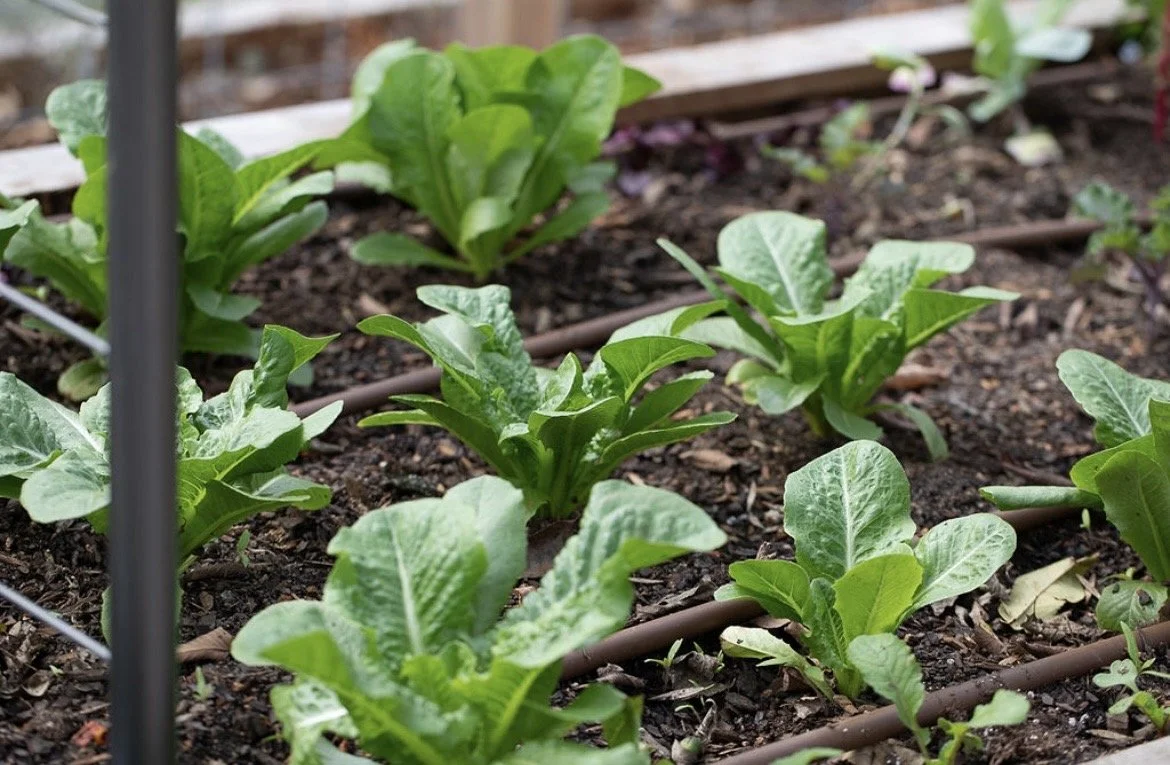
And here’s the best part— right now, these are the exact kinds of greens growing in your garden. Small. Tender. Slightly wild. This is their moment.
How to Harvest, Serve, and Store Your Spring Greens
So once you’ve got these beautiful, slightly wild greens growing—what do you actually do with them?
Let’s keep it simple.
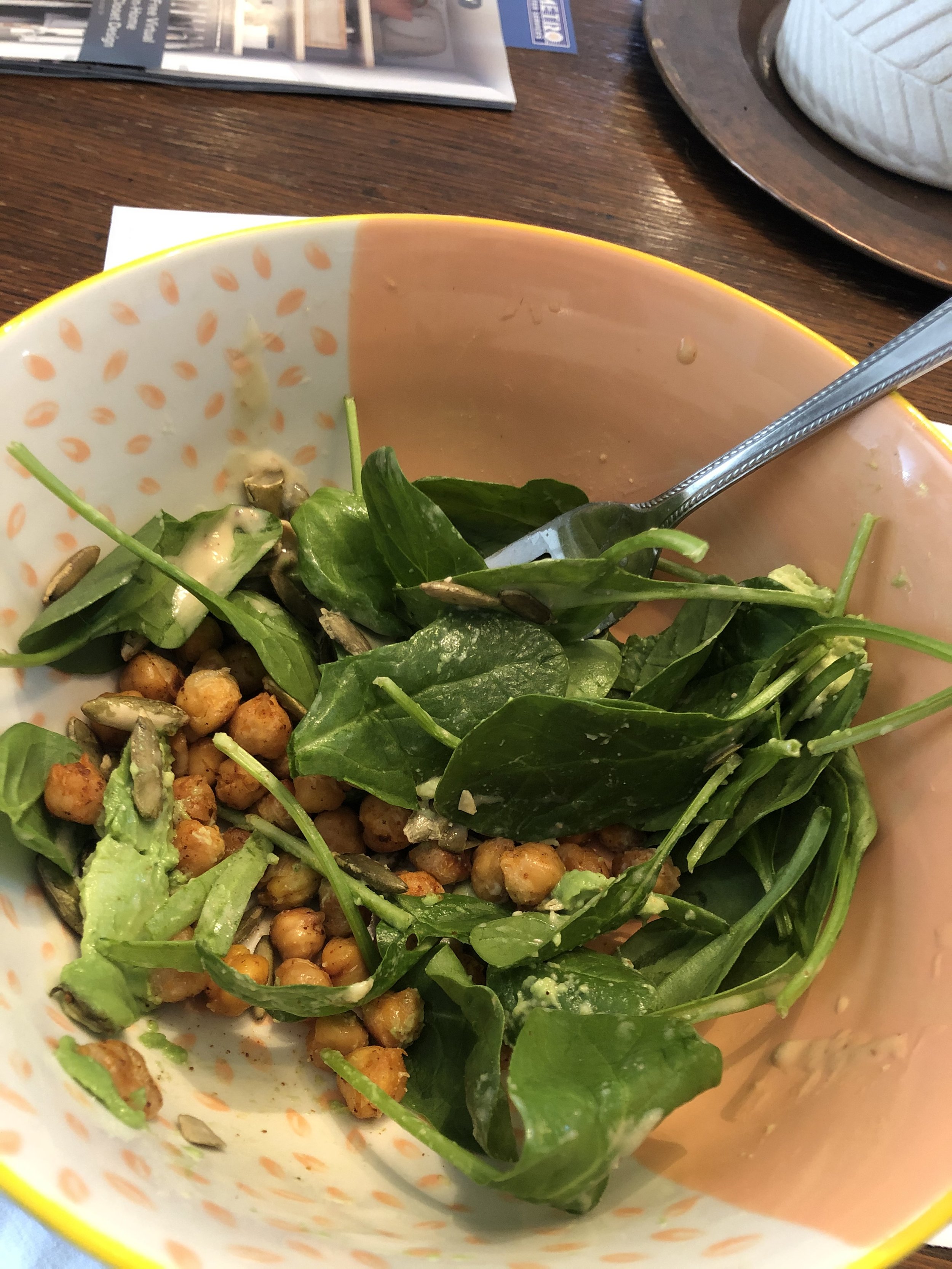
Start the same way I did this morning: just go outside and snip a handful. Mix different leaves together—arugula, baby kale, red lettuce, spinach if you’ve got it. The darker and more colorful the leaves, the more they have to offer.
If the flavor feels a little strong, you don’t have to fight it—you can balance it.
Add avocado (fat softens bitterness beautifully)
Toss in something sweet like a few berries or a drizzle of honey
Finish with olive oil, lemon, and salt
You don’t need a complicated recipe. You just need to eat them.
A few things that might surprise you
The way you handle your greens actually changes how nutritious they are.
For example—if you tear your greens before storing them, the plant responds by producing a burst of protective compounds (the same ones we’ve been talking about). You can actually increase their antioxidant levels just by tearing them.
Wild, right? There’s just one catch: eat them within a day or two.
And if you’re storing them…
Most of us toss greens into the fridge and hope for the best. But greens are still alive after you harvest them—they’re still breathing. And how you store them affects how long they stay fresh and how many nutrients they retain.
A few simple tweaks make a big difference:
Rinse and soak them in very cold water when you bring them home (or inside from the garden)
Dry them thoroughly—moisture on the outside speeds up decay
Store them in a bag with a little airflow. I seal the bag tightly, but prick it with the tip of a knife ten times to allow just the right amount of breathing room.
You want moisture inside the leaves, not sitting on them—and just enough air to keep them alive without drying them out.
One last thing
If you’ve planted red lettuce this season—eat it. Those deep reds and purples aren’t just pretty—they’re some of the most nutrient-dense greens you can grow.
Arugula is up there too, with more antioxidants than most standard lettuces. The stronger the flavor, the more the plant had to protect itself. And the more it has to offer you.
This week, you don’t need to overhaul your diet. Just step outside. Snip a handful. Eat it standing in the garden if you want to. That small moment—fresh, bitter, alive—is doing more for you than you think.
