

Green Beans
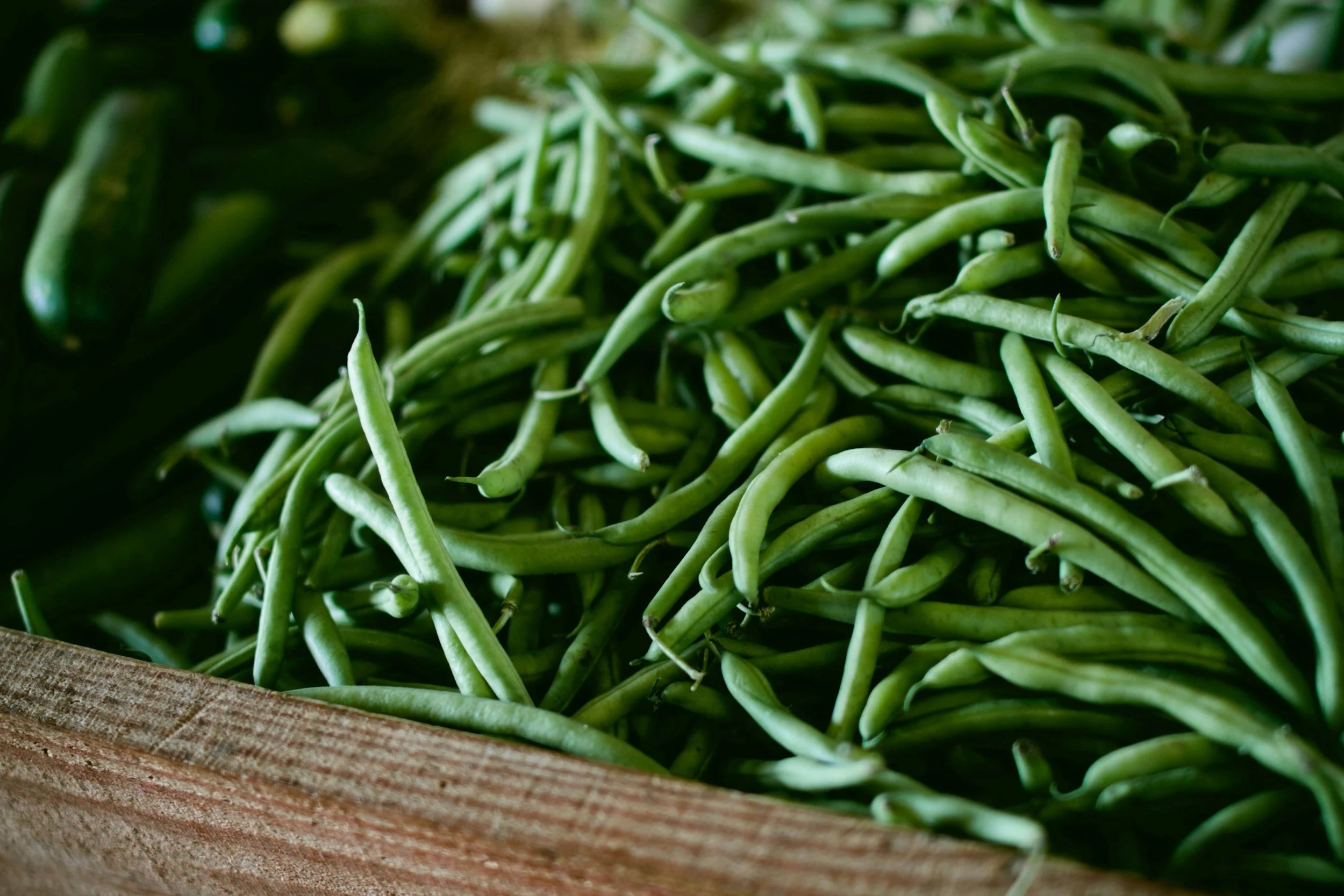
Phaseolus vulgaris
A Basic Growing Guide
Description
Green beans, also known as snap beans or string beans (even though most varieties today are stringless!), are a crunchy, versatile vegetable that can be enjoyed fresh, steamed, sautéed, or even pickled. Green beans differ from shelling beans because you actually eat the pod of the green bean. Originating from Central and South America, green beans are a staple in many gardens due to their ease of growth and prolific yield. Packed with vitamins A, C, and K, as well as fiber and protein, green beans are a nutritious addition to any meal.
Some Common Varieties
Bush Beans: These grow on short bushy plants that don’t need support and produce most of their crop at the same time. Popular varieties are ‘Contender’ which is a vigorous producer and ‘Provider’ with green pods and purple seeds.
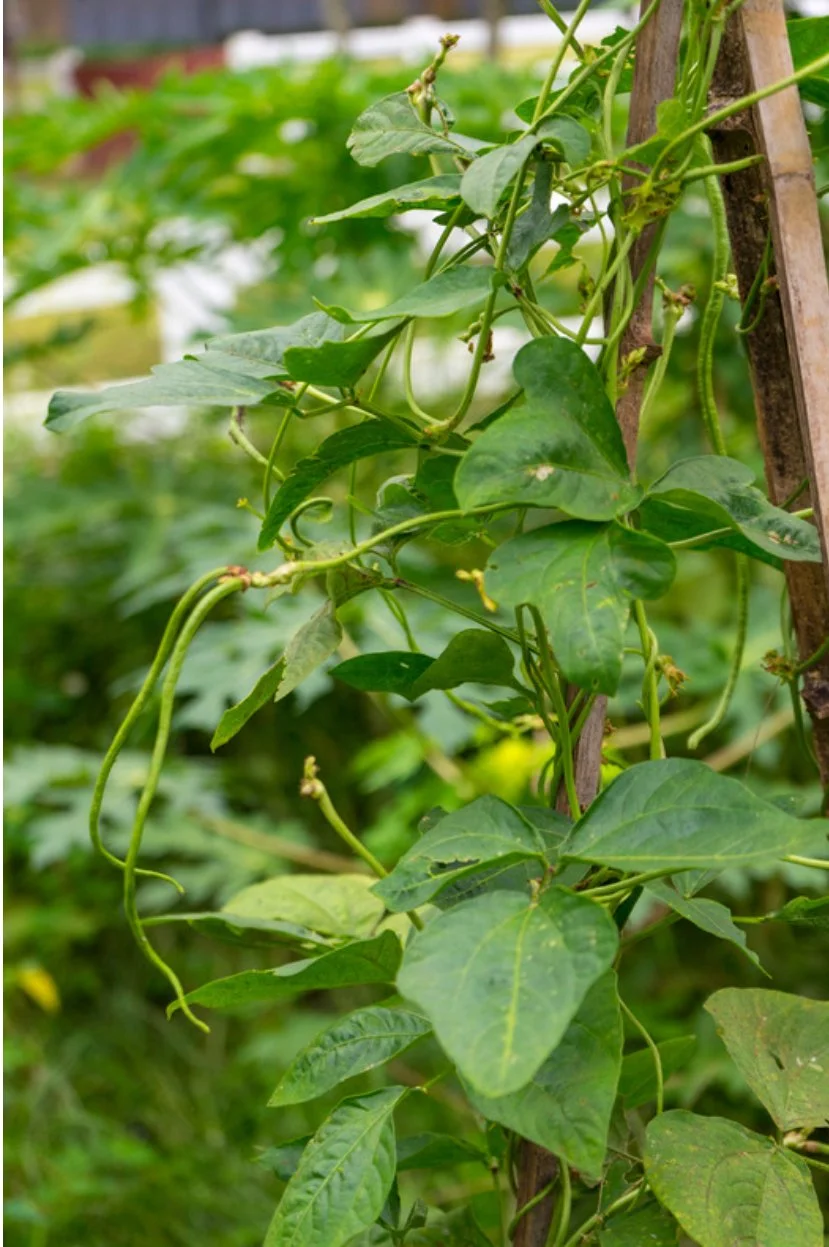
Pole beans: These grow as long climbing vines that need a trellis or stakes for support and they will produce all summer long. We like ‘Blue Lake’ which has high yields of green pods with white seeds and ‘Kentucky Wonder’ which is a classic variety with long, thick, pods and great flavor.
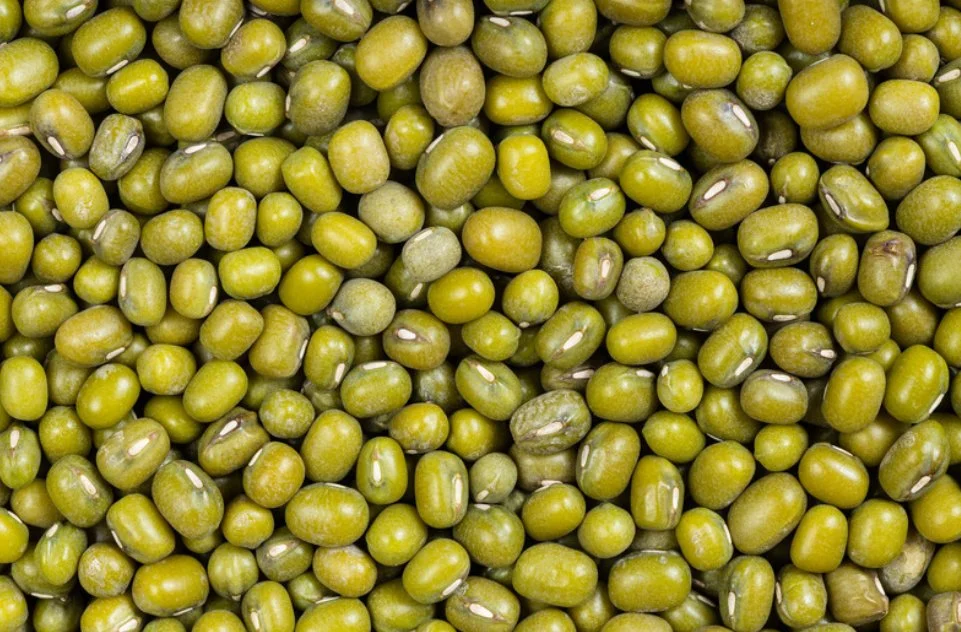
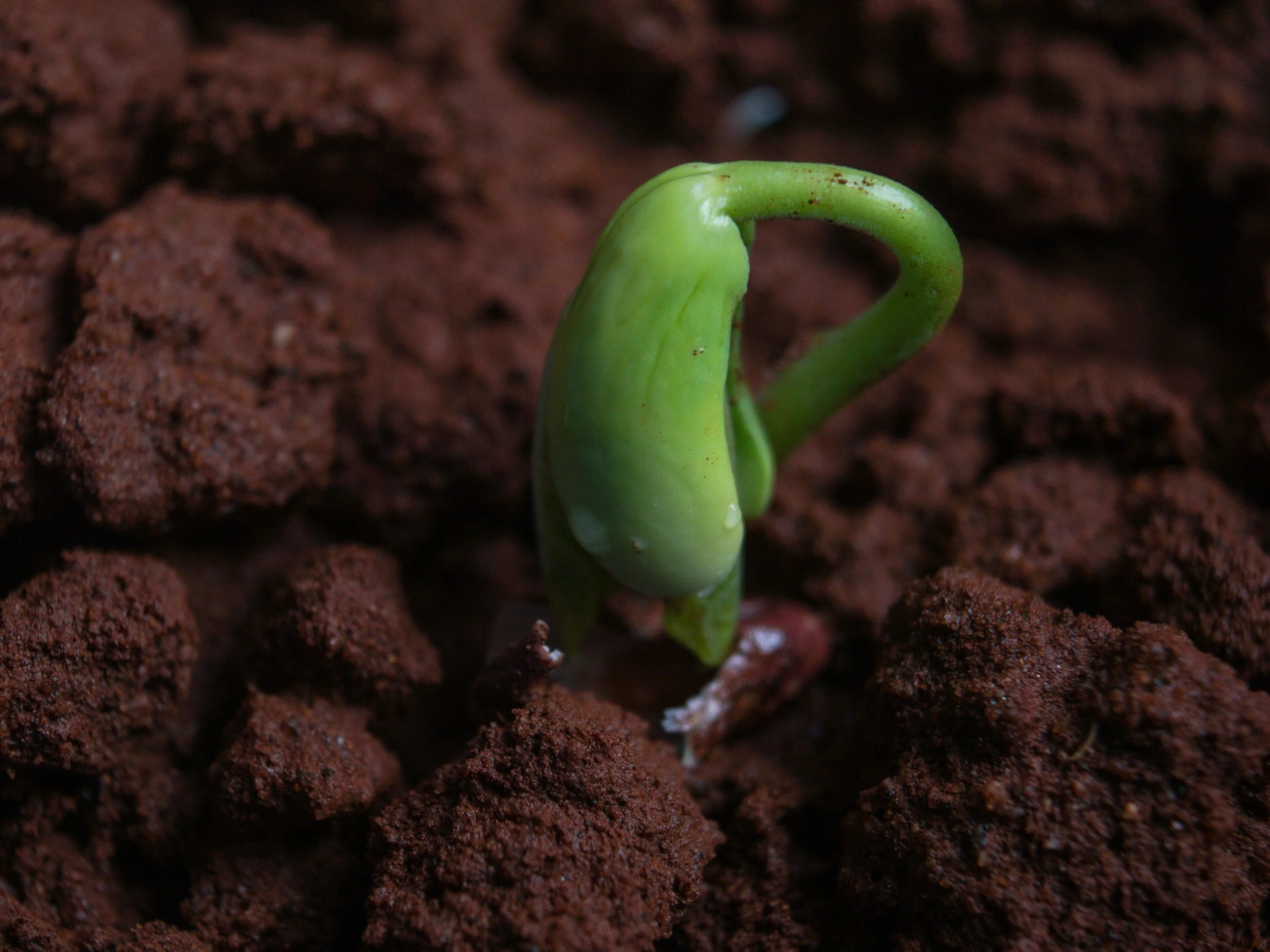
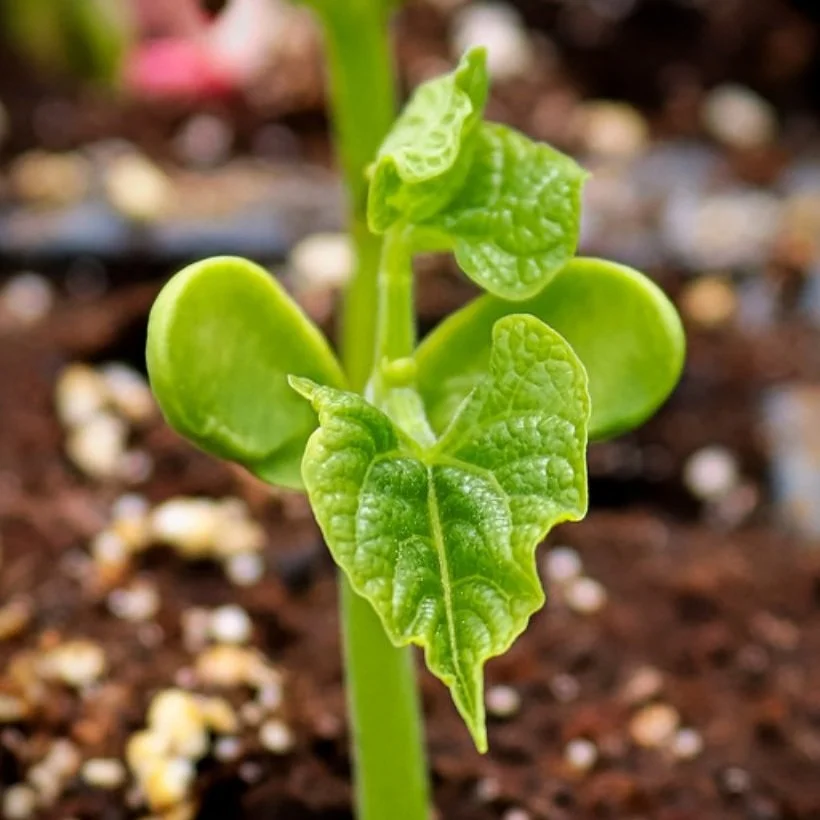
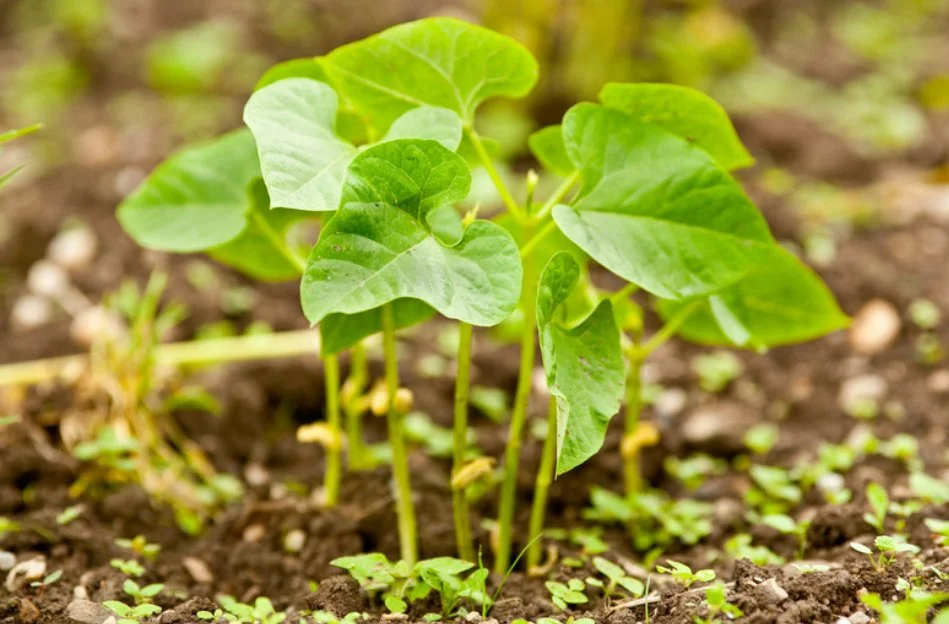
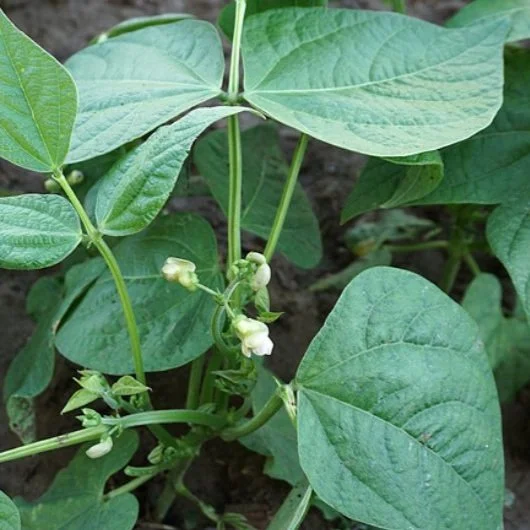
Green Beans Through The Season
Planting Instructions
Light Requirements
Green beans need full sun, requiring at least 6-8 hours of direct sunlight per day.
When
Plant green beans after the danger of frost has passed, typically in mid to late April.
Seed or Transplant?
Green beans are best directly seeded into the garden as they do not transplant well.
Depth
Plant seeds 1 inch deep.
Spacing
Space bush bean plants 3-4 inches apart in rows that are 18 inches apart. For pole beans, space plants 4-6 inches apart and provide a trellis or support.
Growth Habit
Bush beans grow in a compact, bushy form, while pole beans climb and need support.
Tending
Watering
Water green beans consistently, about 1 inch per week. Keep the soil evenly moist but not waterlogged.
Common Pests and Treatments
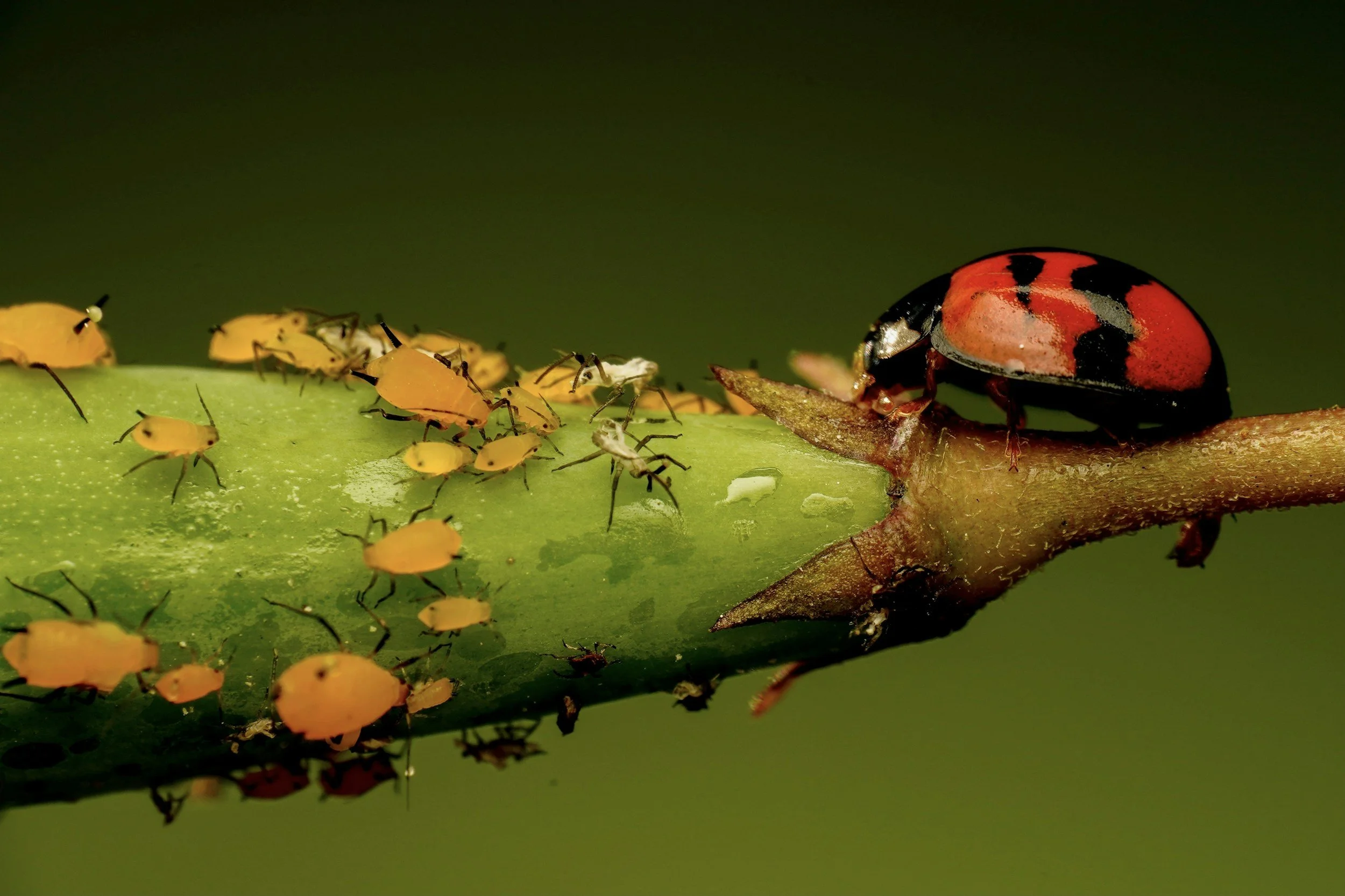
Aphids
Tiny green or yellowish bugs that hang out on the undersides of the leaves. Spray with a jet of water to remove.
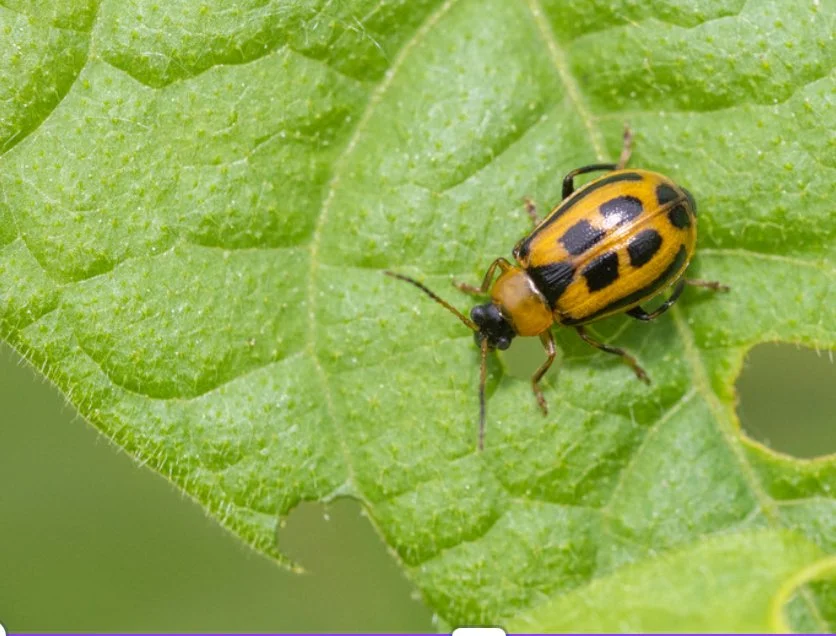
Bean Leaf Beetles
Reddish or yellowish-brown beetles sometimes with black spots. Clean up leaf litter. Hand pick and place in soapy water.
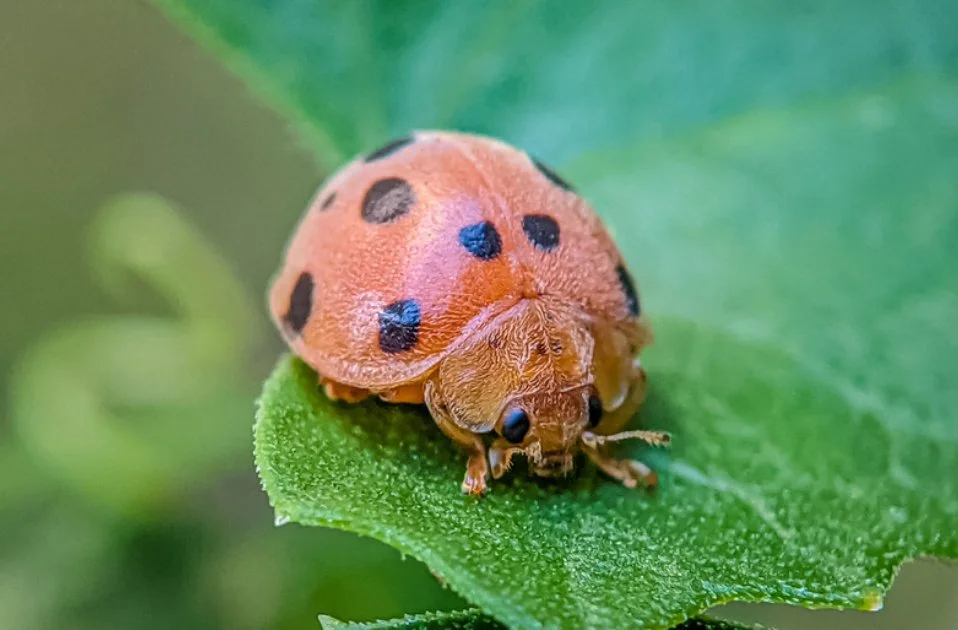
Mexican Bean Beetles
Copper-red colored dome shaped beetles 1/4'“ long with black spots in rows on its wings that feed on leaves. Use neem oil or hand-pick the beetles and drown in soapy water.
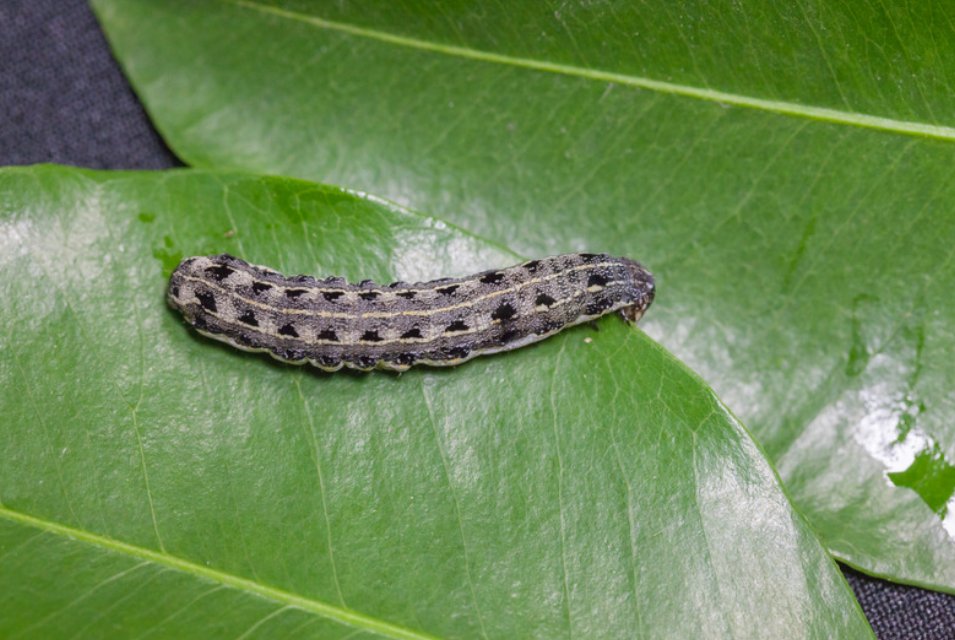
Cutworms
Caterpillars that wrap themselves around young plants and cut them at the base. Use collars around seedlings or plant more seeds to offset losses.
Common Diseases and How to Treat
Anthracnose: Dark, sunken lesions on pods and stems. Remove and destroy affected plants and apply copper-based fungicides.
Learn more about preventing and treating common plant diseases in Tennessee
Feeding/Fertilizing
Green beans do not need heavy fertilization. Use a balanced organic fertilizer at planting if your soil is poor, such as GardenTone.
Pruning
Pruning is generally not necessary for green beans. For pole beans, guide the vines to climb supports to maximize space.
Harvesting
When
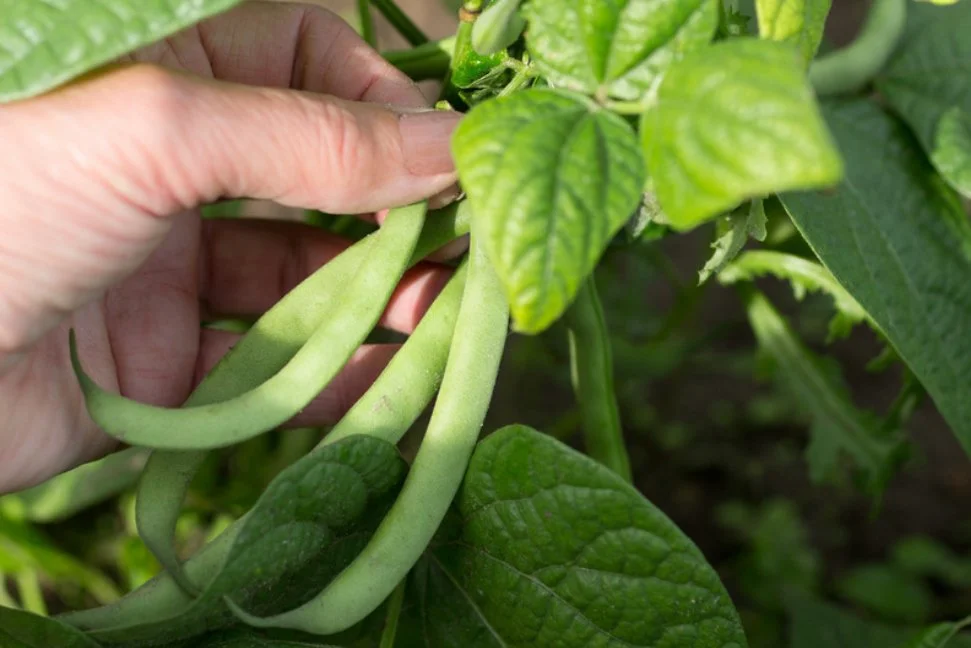
Harvest green beans when the pods are firm, crisp, and about the size of a pencil. This is usually 50-70 days after planting, depending on the variety. Bush beans tend to have a large flush of beans at once, then provide a second harvest a few weeks later. Pole beans will likely need to be harvested every day or two once they start maturing, and will produce until killed by frost.
How
Pick beans by gently pulling them from the plant or by snipping them off with scissors, leaving a small stem attached. Frequent harvesting encourages more production.
Then What?
After harvesting, green beans should be stored in a cool, dry place and used within a week for the best flavor and texture. Regular harvesting will promote continued fruiting throughout the season.