

Q&A: My summer garden seems fine right now. What's the deal with fertilizer?
One of the most common questions we hear this time of year goes something like this:
"My garden looks great. Am I supposed to be fertilizing it?"
It's a good question because fertilizer is often treated like medicine. We think about it when something is wrong. Yellow leaves. Slow growth. Poor harvests.
But fertilizer is often most useful before a garden starts showing signs of stress. A productive summer garden is working hard. Every tomato, cucumber, pepper, and handful of basil that leaves the garden takes nutrients with it. Even a healthy raised bed gradually uses up some of the reserves that were available when the season began. And in a raised bed, we are in control of the soil health, so learning about fertilizer is an important responsbility.
The challenge is figuring out which fertilizer to use. Walk into a garden center and you'll find shelves lined with products that all sound vaguely similar: Bio-tone, Garden-tone, Tomato-tone, Fish Fertilizer. What’s the point of all these bags?
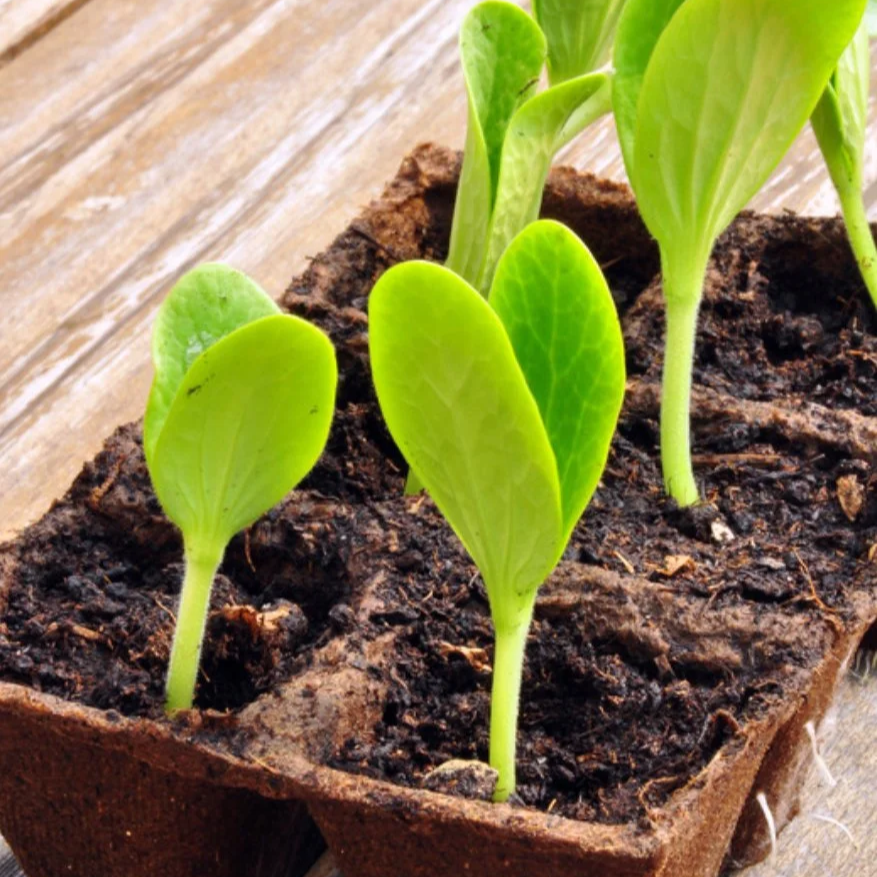
We reach for Bio-tone when we're planting.
Bio-tone is a starter fertilizer that contains beneficial microbes and mycorrhizae that help roots establish and access nutrients more efficiently. Whenever we're planting tomatoes, peppers, herbs, flowers, or fall vegetables, Bio-tone goes into the planting hole.
Once a plant has been growing for several weeks, however, Bio-tone has largely done its job. It's there to help a plant get settled in.
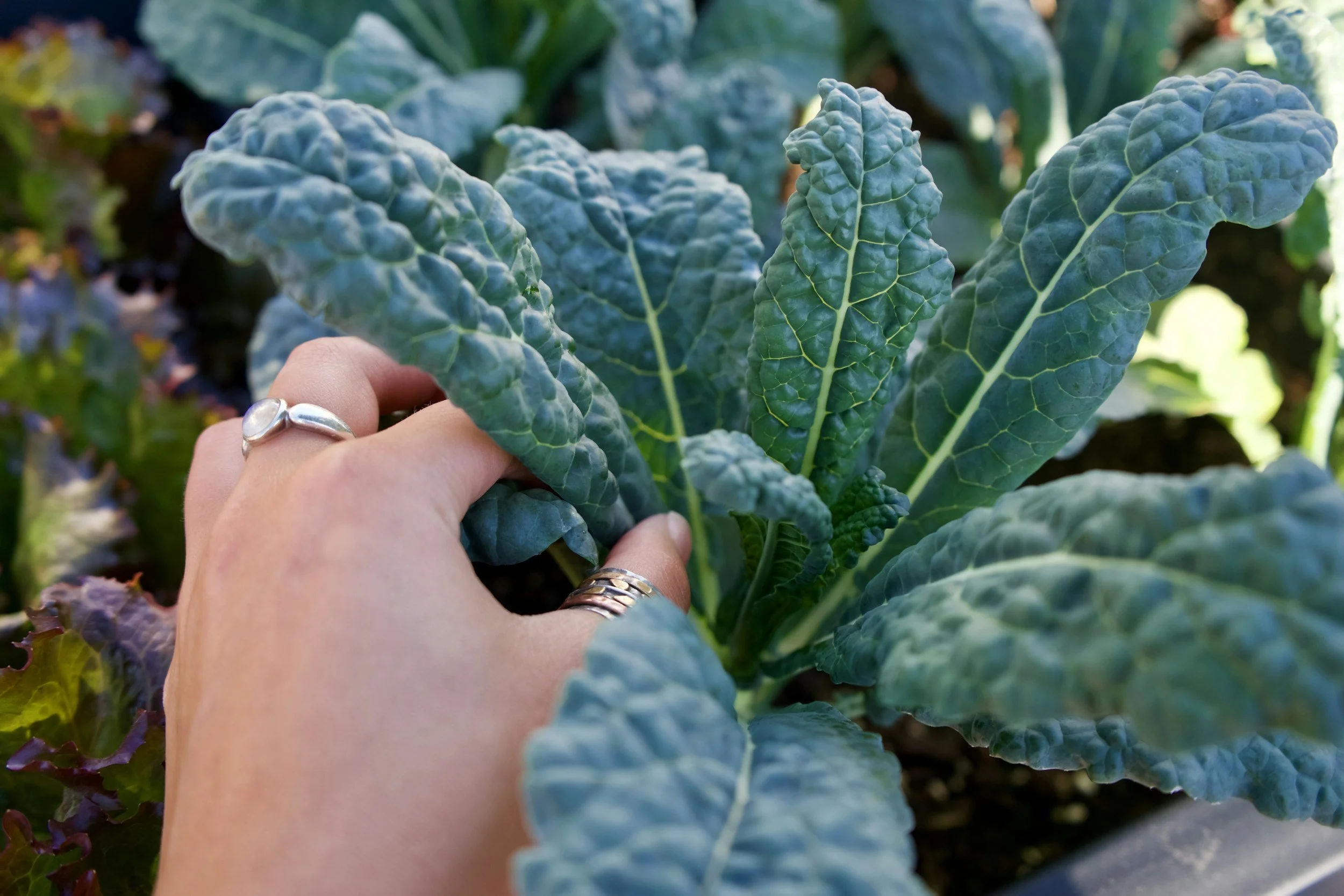
We reach for Garden-tone when the whole garden needs feeding.
Garden-tone is our general-purpose fertilizer. If your cucumbers, squash, beans, herbs, and peppers are all actively growing and producing, Garden-tone provides a balanced source of nutrition that helps replenish what the garden has been using all season.
Think of it as routine maintenance.
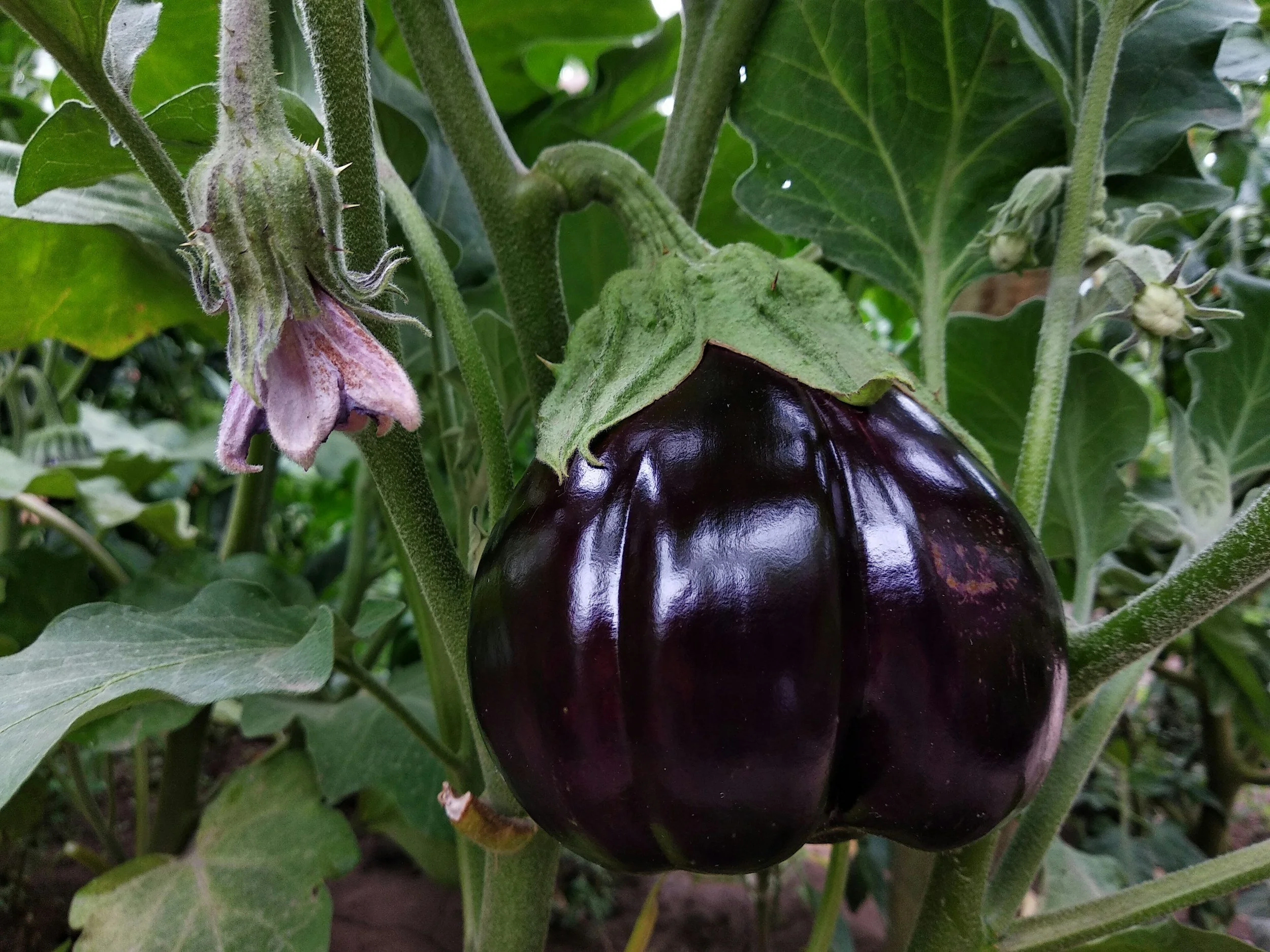
We reach for Tomato-tone when fruiting crops are the priority.
Despite the name, Tomato-tone isn't just for tomatoes. We use it on peppers, eggplant, and other fruiting vegetables as well.
If your goal is to keep tomatoes producing through July and August, this is often the fertilizer we choose. It is formulated to support flowering and fruit production while providing calcium, which can help reduce issues such as blossom end rot.
We reach for liquid Fish Fertilizer when plants need a quick boost.
Fish fertilizer works much faster than the granular products above. While Garden-tone and Tomato-tone release nutrients gradually over time, fish fertilizer is available to plants almost immediately.
When a plant looks a little pale, growth has slowed, or the garden seems tired after weeks of heavy production, a dose of fish fertilizer can provide a quick pick-me-up.
Think of Garden-tone and Tomato-tone as a healthy dinner. Fish fertilizer is more like a smoothie—fast, easy to absorb, and great when you need results quickly.
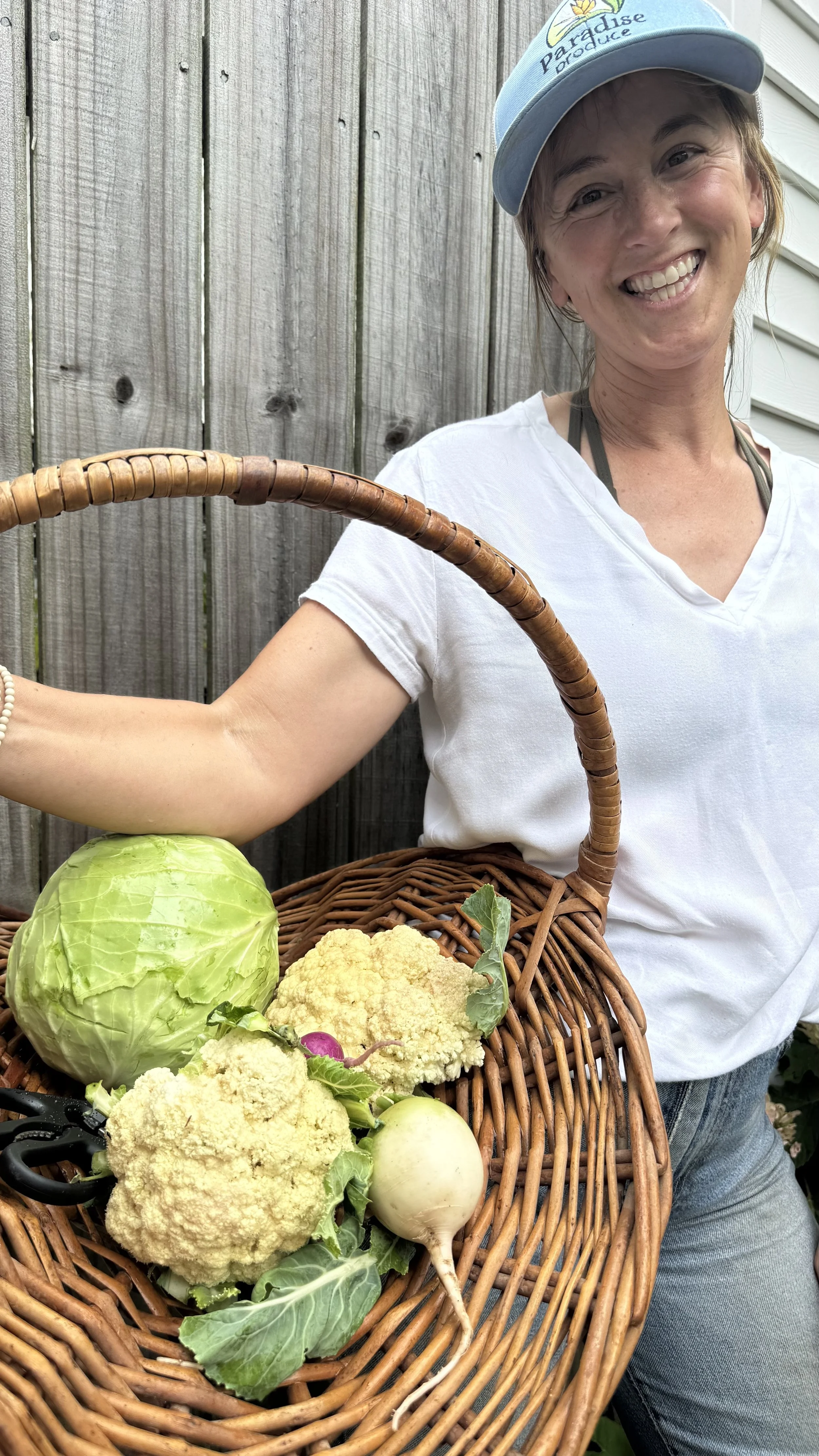
So what do we actually do in our gardens?
For established summer gardens, we typically apply Garden-tone or Tomato-tone according to package directions every few weeks during peak production. Then, if plants seem stressed by heat or heavy harvests, we'll supplement with fish fertilizer as needed.
But here's the bigger takeaway: fertilizer isn't about chasing bigger tomatoes or setting harvest records.
It's about stewardship.
Every season, we ask our gardens to produce baskets of tomatoes, armfuls of basil, pounds of cucumbers, peppers, squash, and more. Fertilizer is simply one way of returning some of what we've taken.
A healthy garden starts with compost, good soil, and consistent watering. Fertilizer doesn't replace any of those things. It simply helps replenish nutrients so your plants can continue doing what they do best.
So if your garden looks great right now, congratulations. You're doing something right.
A little fertilizer may help keep it that way.
