

Q&A: What can I do for my garden in this sweltering summer heat? (Besides watering, we’ve got that)
If you’ve gotten this far in the blog this week, you’ve already read plenty about watering in the heat of summer. You know that during extreme heat, you may need to increase your irrigation—sometimes even watering twice a day, depending on the size of your beds, the maturity of your plants, and how quickly the soil is drying out. You may have also read that a light mist can temporarily cool the garden during the hottest part of the day, a little like those spritzing cabanas at a beach resort.
When it’s hot outside, plants need water. There’s no doubt about it.
But there is another helpful strategy we can use to protect our plants from the heat, and it’s one we don’t talk about nearly as much in the world of vegetable gardening: Mulching our raised beds.
Now, before we dive into this subject, I’ll define what I mean by mulch.
I’m not talking about the chunks of painted-black pine bark we see lining the curbs of the Kroger parking lot. Nor am I talking about the enormous volcanic barn-stinky mounds piled around tree trunks after the landscaping truck drives away.
In a vegetable garden, mulch simply means placing a light protective layer of organic material over exposed soil. Often, we use bags of finely shredded pine bark called “soil conditioner.” But you can also use a light layer of pine needles, clean straw, shredded leaves, a very thin spread of dried grass clippings from an untreated lawn, or even a thin layer of finished compost. And in a hot Tennessee summer, it can be incredibly useful.
Here are three of the biggest benefits.
1. Mulch helps the soil hold moisture and maintain a more consistent temperature
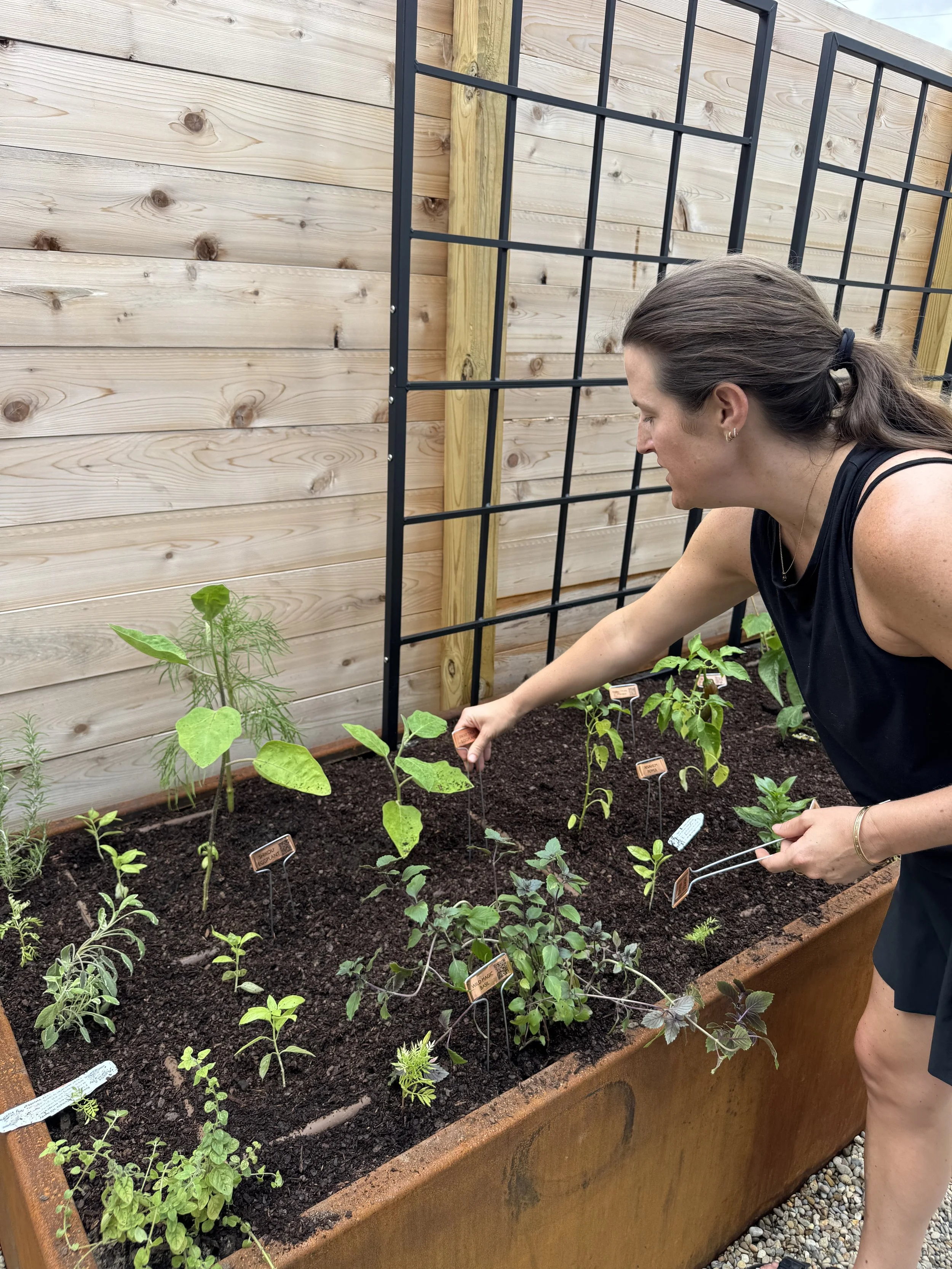
Raised beds can dry out quickly because more of their soil is exposed to warm air. Add a week of ninety-degree temperatures, full afternoon sun, and several mature tomato plants, and the top few inches can lose moisture surprisingly fast.
Tomatoes are especially fond of consistency. Many gardeners have watched a favorite tomato split after a heavy rain followed a stretch of dry weather. The sudden influx of water causes the fruit to expand faster than its skin can accommodate.
Mulch provides a protective cover over the soil. It slows evaporation, moderates soil temperatures, and helps the water from your irrigation system remain in the root zone longer. That does not mean you can stop watering. It simply means your watering may become more effective.
One thing to remember: the surface of the mulch may look completely dry while the soil underneath is still damp. Before turning on the irrigation again, move the mulch aside and check the soil a few inches down.
2. Mulch reduces weeds
Where sunlight reaches bare soil, weed seeds have an opportunity to germinate. Mulch blocks much of that light, making it harder for new weeds to establish themselves. You may still see a few weeds pop through, but there should be fewer of them, and they are often easier to pull. This matters for more than appearances. Weeds compete with your vegetables for water and nutrients—the very resources your plants need most during the heat of summer.
3. Mulch protects the soil from “gullywasher” rain
Summer weather in Tennessee can swing quickly from dry heat to a pounding thunderstorm. (Does anyone else use the term “gullywasher” to describe the top-speed windshield wiper rain? I remember them well from Kentucky summers.)
Heavy rain hitting bare soil can compact the surface, create a crust, and splash soil onto the leaves of tomatoes, peppers, and squash. Mulch softens the impact of the rain. It helps protect the structure of the soil, reduces erosion, and keeps more dirt from splashing onto lower leaves and fruit.
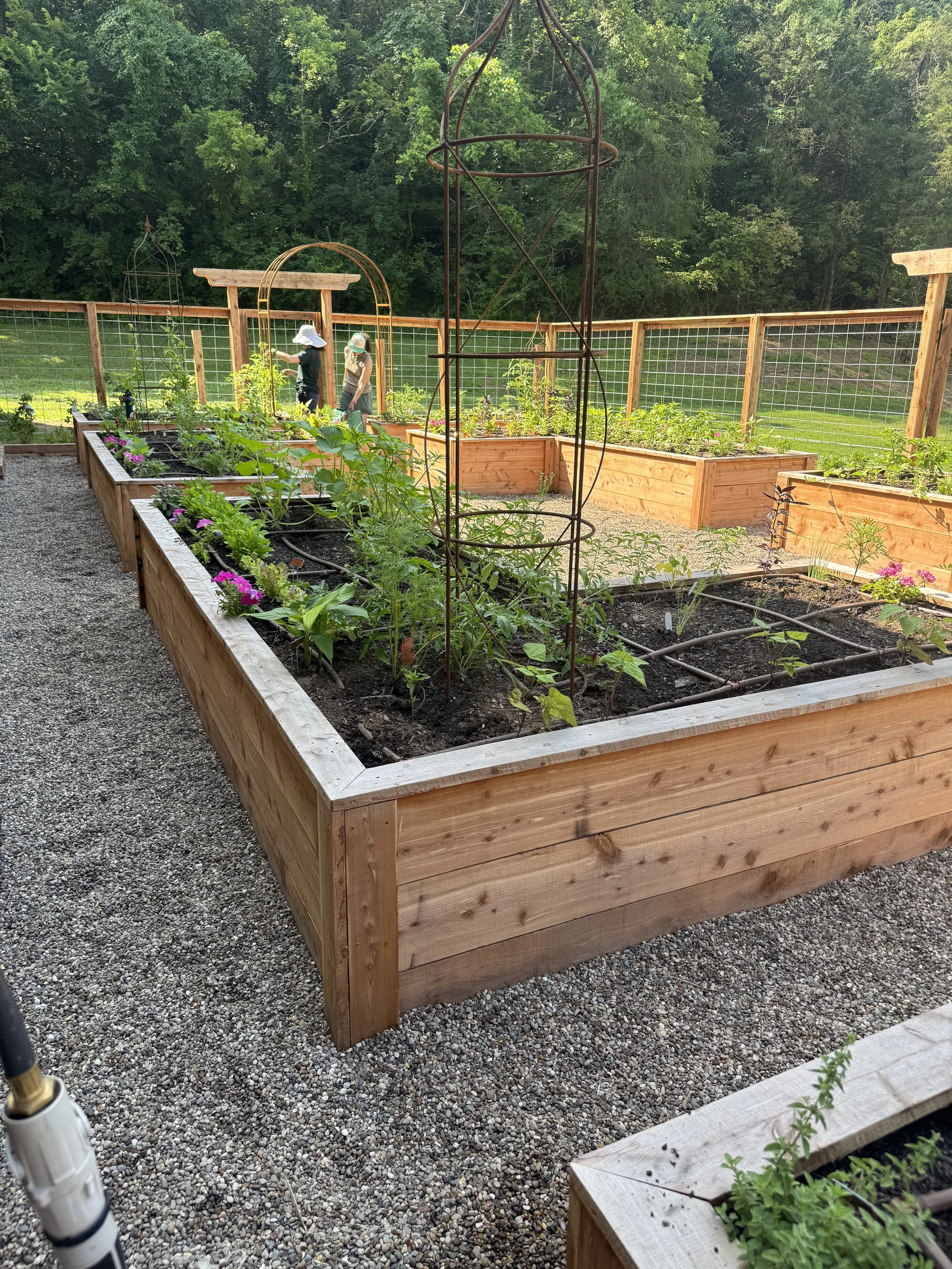
So, what should you use?
Soil Conditioner, pine needles, and clean straw are our favorite choices for vegetable gardens. They are lightweight, easy to move, and gradually break down. If we had a can full of last fall’s shredded leaves, those would also be ideal. Dried grass clippings can also work well, but only if you know the lawn has not been treated with herbicides. Apply them in thin layers. A thick pile of fresh grass can quickly become slimy, compacted, and unpleasant.
We generally reserve wood chips for pathways and permanent plantings such as blueberries and other berry bushes. Wood chips last a long time, which is wonderful in a walkway but less convenient in a vegetable bed that will be planted and replanted throughout the year.
For most raised beds, two to three inches of loose mulch is enough. Keep it pulled slightly away from the stems and crowns of your plants. Mulch piled tightly against a tomato stem or squash vine can hold too much moisture against the plant and create conditions for rot.
If you use drip irrigation, place the tubing underneath the mulch so the water reaches the soil directly.
And when direct-sowing beans, squash and cucumber seeds, pull the mulch away from the planting area. Many seeds need good contact with the soil and may have trouble germinating underneath a thick layer of straw or leaves.
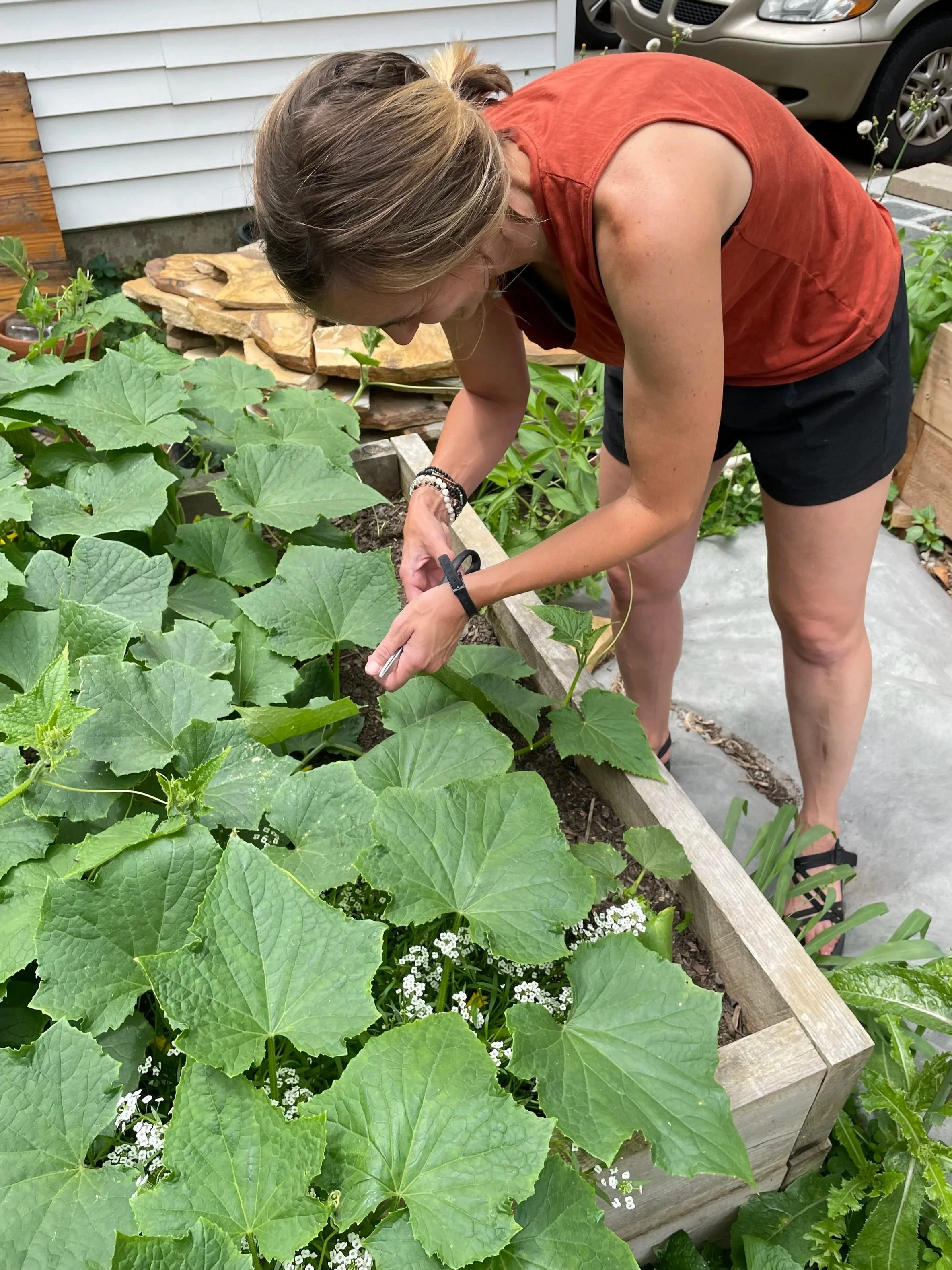
But does every garden need mulch?
Not necessarily.
At Tennessee Kitchen Gardens, we use intensive planting methods. Instead of leaving large areas of exposed soil between rows, we fill our beds with combinations of vegetables, herbs, and flowers.
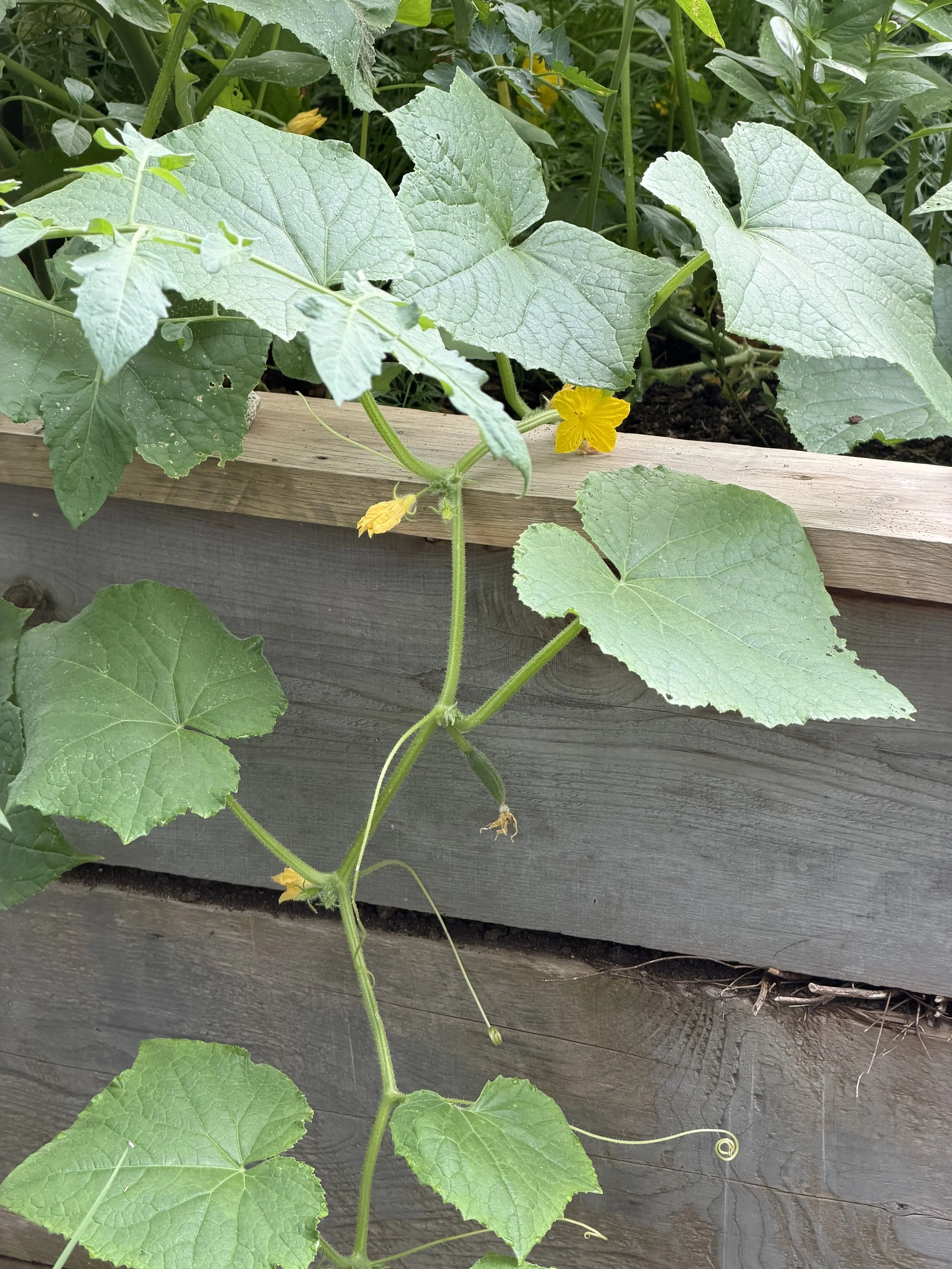
By midsummer, a healthy kitchen garden may have created its own living mulch. Large cucumber leaves stretch across the bed. Tomato and okra climb overhead. Basil, peppers, marigolds, and nasturtiums fill the open spaces below. Giant squash plants may shade the soil so thoroughly that you have to move them aside just to see what is happening underneath. When plants form a thick canopy, they are already performing many of the same jobs as mulch. They shade the soil, reduce evaporation, discourage weeds, and soften the impact of heavy rain.
So before adding straw or leaves to your raised beds, take a look.
Can you see large areas of bare soil?
Is the soil drying out quickly or becoming hard and crusty?
Are weeds taking advantage of the open spaces?
If so, mulch may be a useful addition.
But if your garden is thriving and the soil is already well covered by healthy plants, you may not need to add anything at all. The goal is not to mulch every raised bed simply because someone said you should. The goal is to protect the soil. Sometimes that protection comes from straw or shredded leaves, and sometimes the garden has already taken care of it.
