

When you become hooked on gardening, it seems you're always looking for one more place to grow. Give a mouse a cookie, the saying goes… Well, give a gardener a terra cotta pot for basil, and they'll want a raised bed. Give them a raised bed, and they'll start eyeing the side yard. Before long, they're measuring sunny corners, wondering if tomatoes would crowd the mailbox, and imagining trellises against the kitchen window.
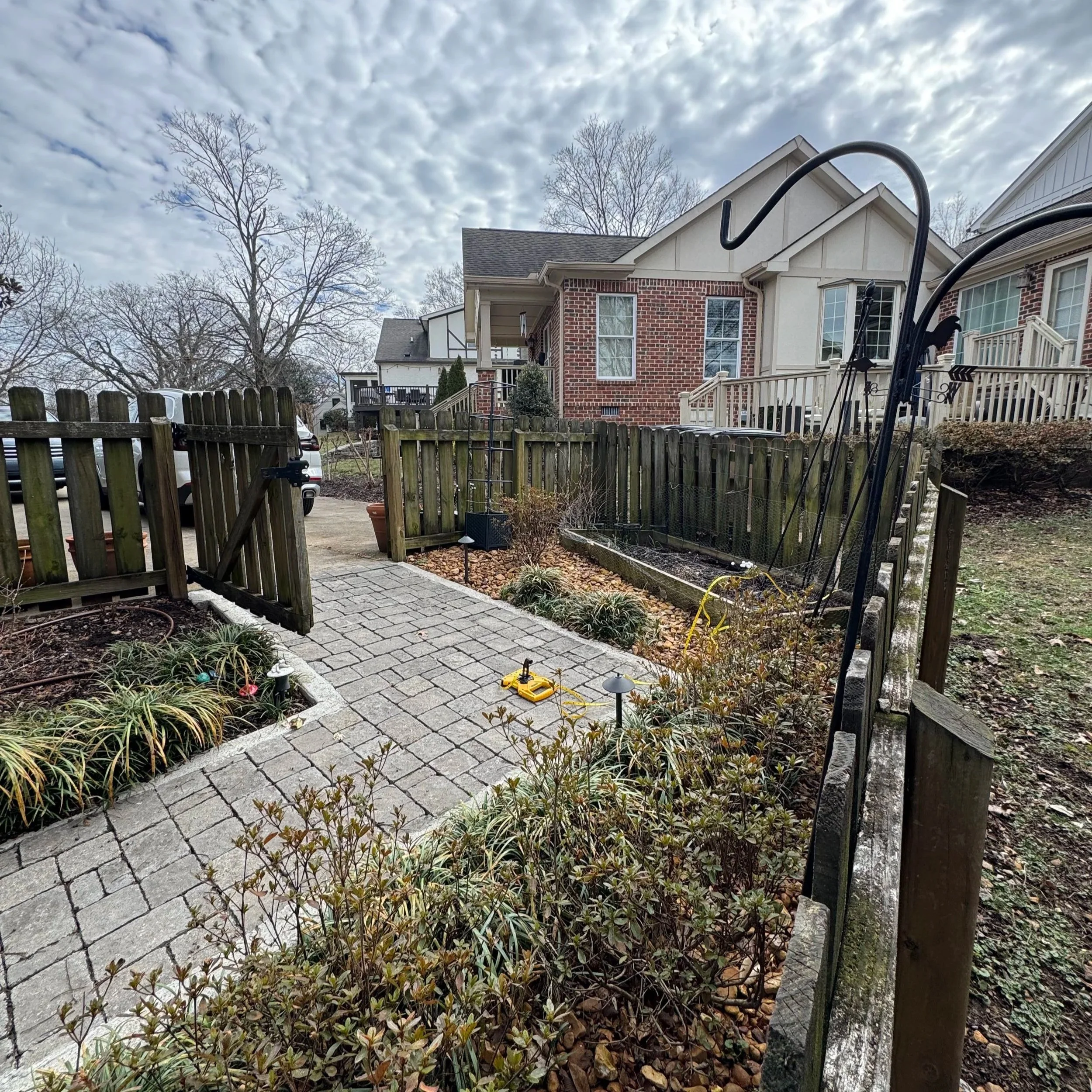
Before: A small yard in a cluster of homes
The top of the driveway, perhaps? Along the fence? Alicia had already studied the sun, and there simply weren't many options. Her home sits among a cluster of closely spaced houses that share driveways and parking areas, so it didn't take long to realize this wasn't a question of Where can another bed fit? It was a question of What is this space capable of becoming?
The answer wasn't hidden in more square footage. It was hidden in places most people overlook.
We started at ground level...
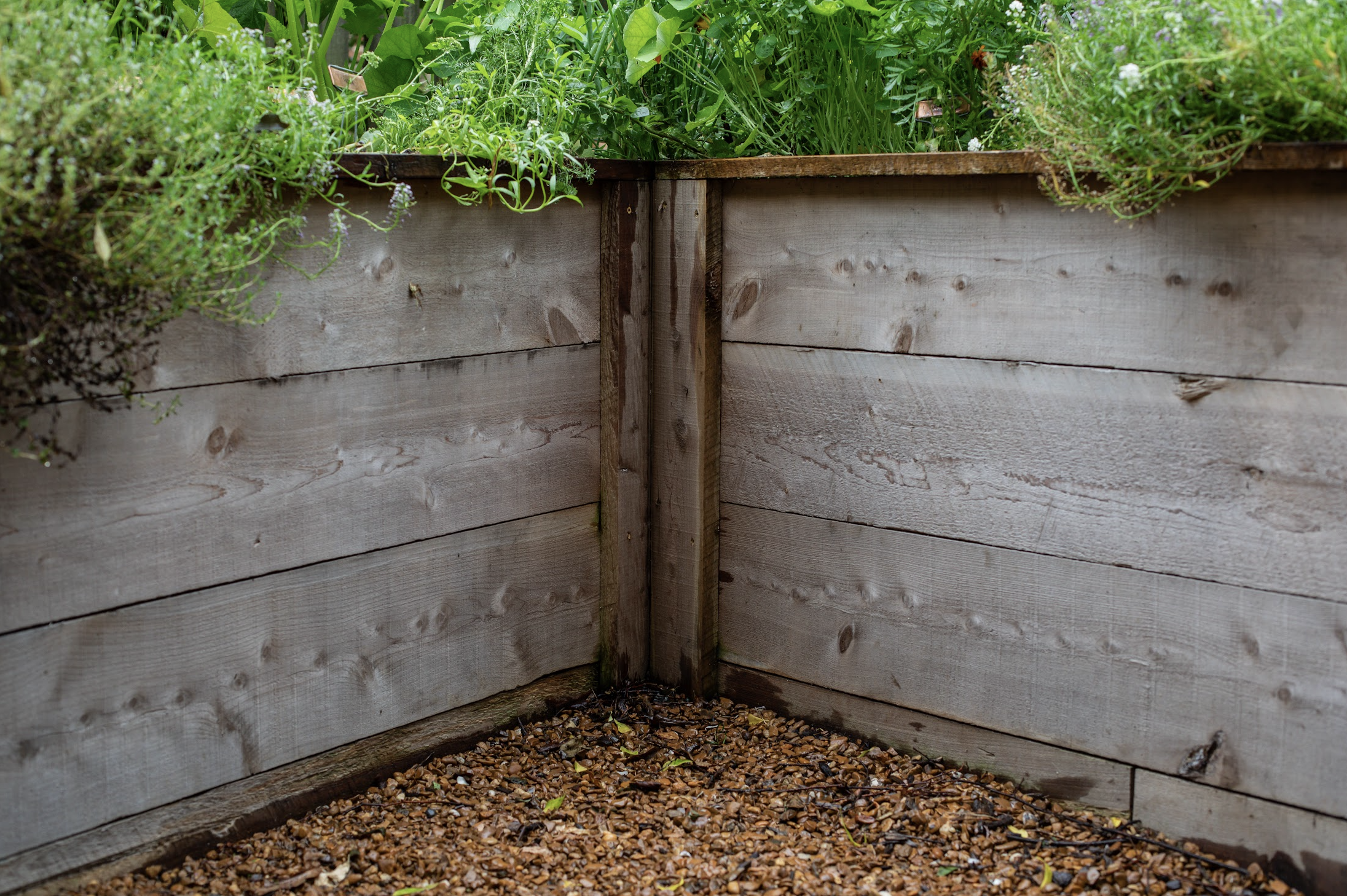
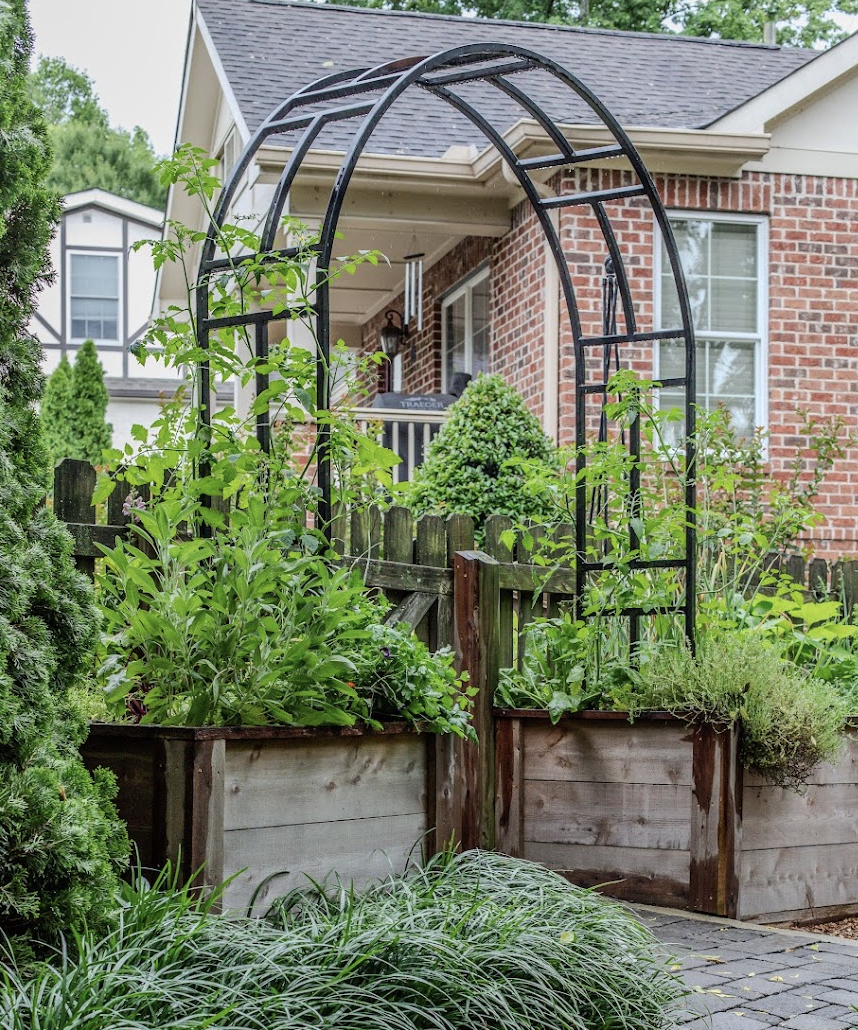
The existing raised bed, pictured above, stood only eight inches tall. Every season it became a tangled jungle of sprawling vines, and squirrels and chipmunks rarely waited for tomatoes to ripen before helping themselves. The first decision was easy: build up. We almost always construct our raised beds two feet tall. They're easier on your back, hold considerably more healthy soil, and while chipmunks can certainly climb, they seem far less enthusiastic about scaling a two-foot wall before breakfast.
Once we committed to building deeper beds, the next challenge was finding more growing space. The border was filled with monkey grass, a few azaleas, and a peony that briefly stole the show each spring. By removing those ornamental plants, we were able to stretch the garden into a large L that wrapped the fence line, instantly adding sixteen square feet of growing space without making the yard feel any smaller.
A grand entryway
Once we had exhausted the ground, we looked higher.
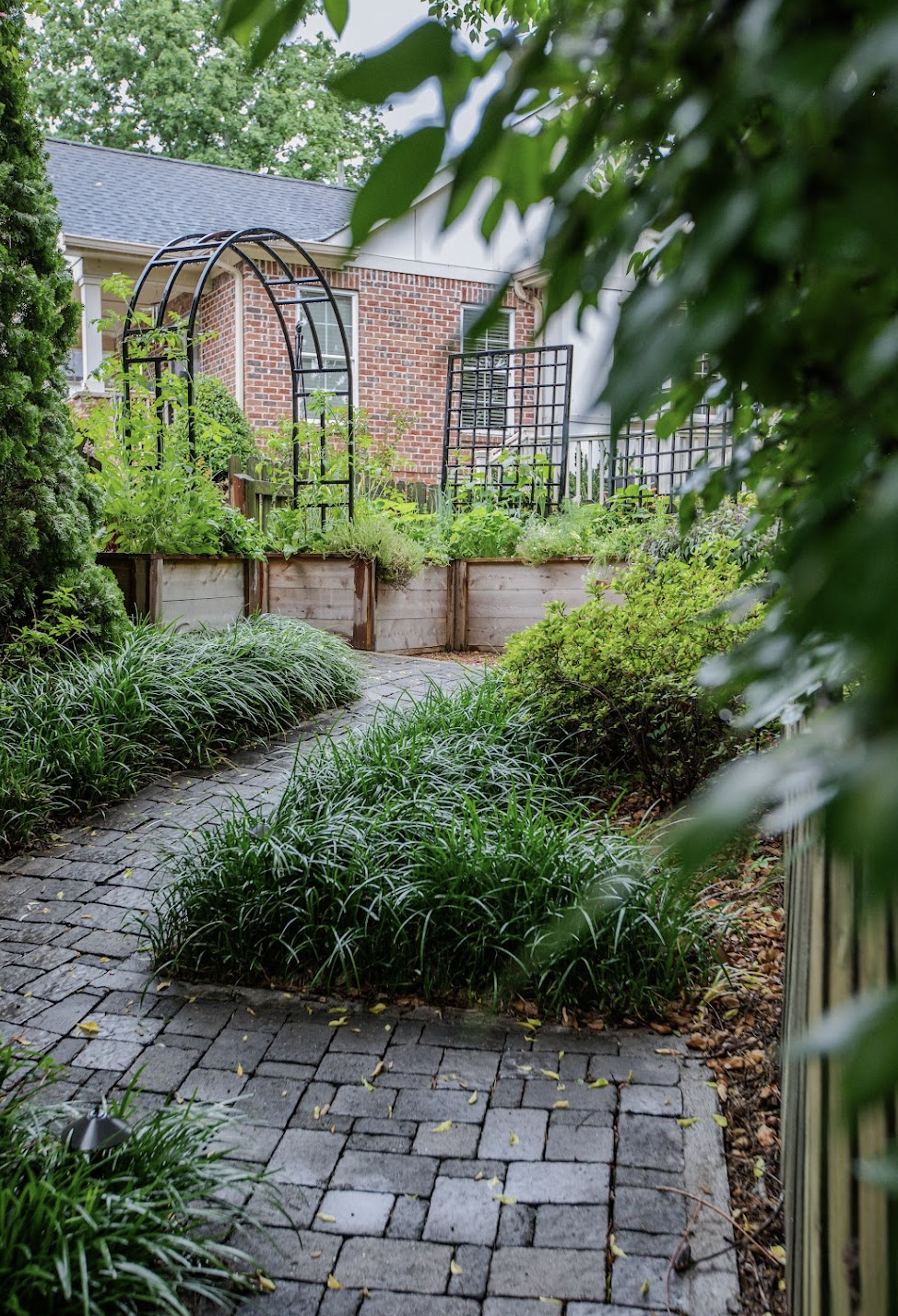
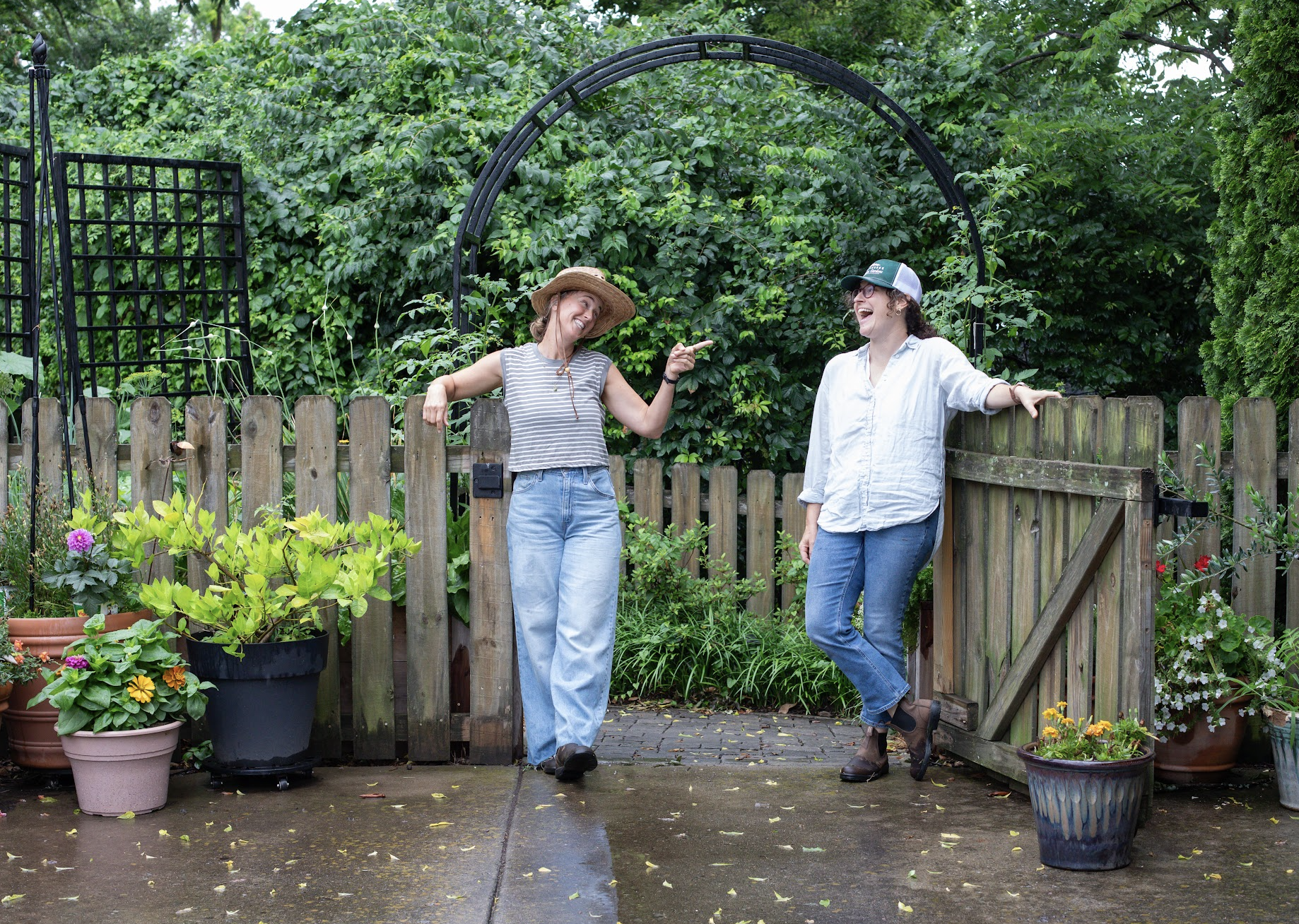
A custom seven-foot steel arch became the centerpiece of the design, turning the entrance into a destination while creating valuable vertical growing space. To support the arch, we added a small companion bed on the opposite side of the gate, creating a balanced entrance that feels intentional rather than squeezed in. We even reversed the gate hinges so the gate would swing outward, preserving every precious inch inside the garden. Today, vigorous tomato vines are already climbing the arch, transforming what was once simply an entrance into another productive part of the garden.
Finally, we looked sideways. No matter how much you love your neighbors, everyone deserves to harvest tomatoes in their pajamas with a cup of coffee. Two steel trellis panels created living privacy screens that now support cucumbers, tomatoes, and soon, purple thunbergia vines. As an added bonus, they also happen to hide the trash cans.
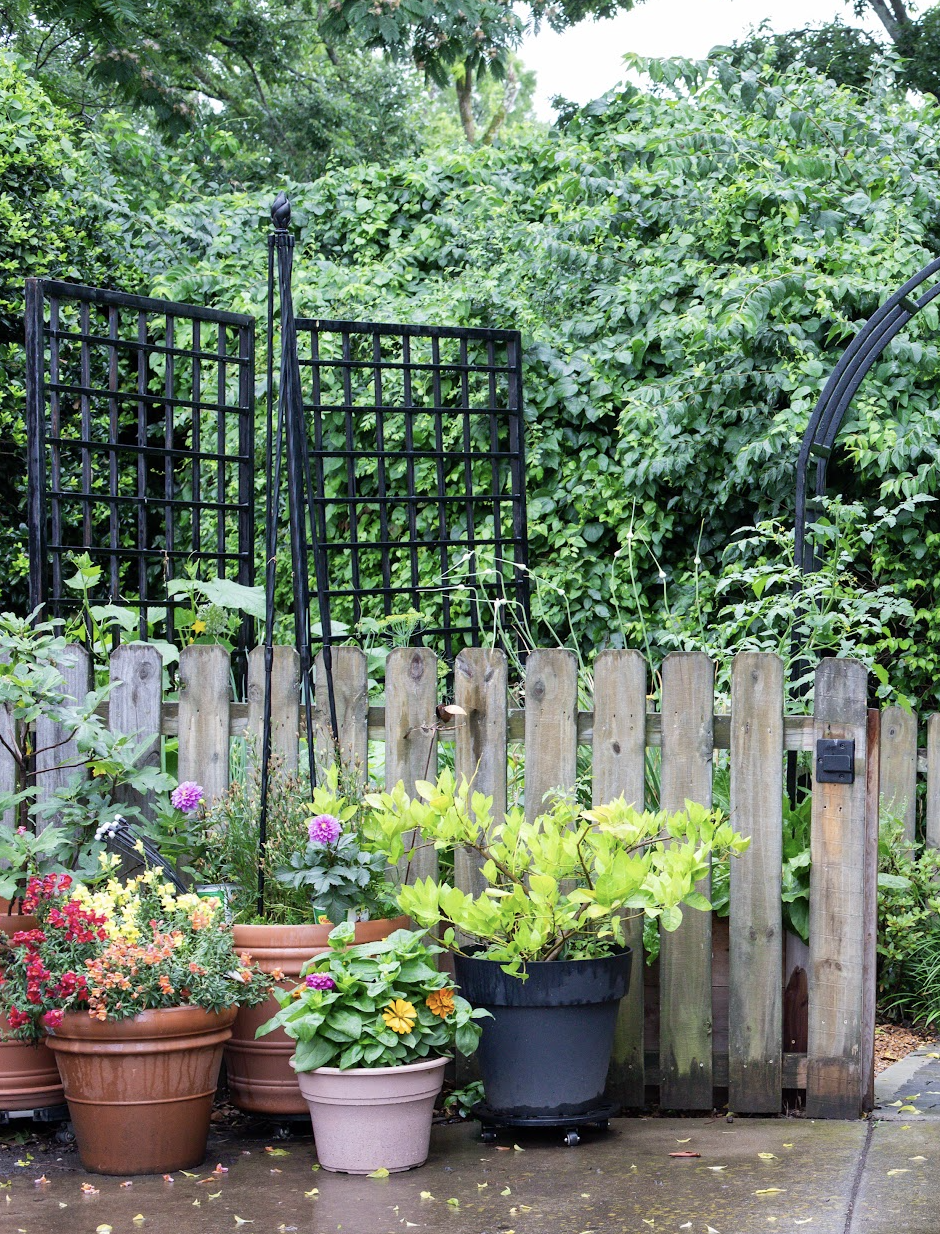
Looking at Alicia's garden today, it's hard to remember how small it really is. But that's the beauty of intensive gardening. Instead of spreading out, we grow up and over. We let vines climb instead of sprawl. We let sage tumble over the edge of the beds, and it’s beautiful that way. We cover the soil with productive plants instead of leaving it bare. It's a philosophy born out of necessity, but one that almost always creates gardens that are more beautiful, more productive, and more enjoyable to spend time in.
Once you start gardening, you stop seeing your yard the way everyone else does. Empty corners become berry patches. Fence lines become cucumber trellises. A gate becomes an opportunity for an arch covered in tomatoes. Alicia didn't end up with a bigger backyard—we simply found more possibility in the one she already had. And, if history is any indication, we'll probably be eyeing another sunny corner before long.
