

The garden season is certainly winding down in Nashville. Some of us are still harvesting tomatoes, peppers, herbs and greens, but the days are short and plants are growing slowly now. I don’t blame them, the sun feels so delightful on my skin that I also would prefer to stand still in it. Anyone with me? In a few weeks, we are going to be bundled up, running outside to grab a handful of parsley with hoods wrapped tight around our faces and steam puffing from our mouths, so we’ve got to grab this sunny goodness while we have it!
Ladies and gentlemen, now is the time to tackle your garden shutdown list. No really. You must. Every spring, we get so many phone calls from clients with busted pipes, broken hose nozzles, fractured irrigation lines and cracked watering cans, but it’s all avoidable! The few chores that are left can be squeezed into an hour or two on the weekends. You will grateful that you did this task list next spring, when, instead of looking at a long repair list, you can dig in beautifully composted soil and poke new seeds into the ground.
Prepare Tools and Equipment
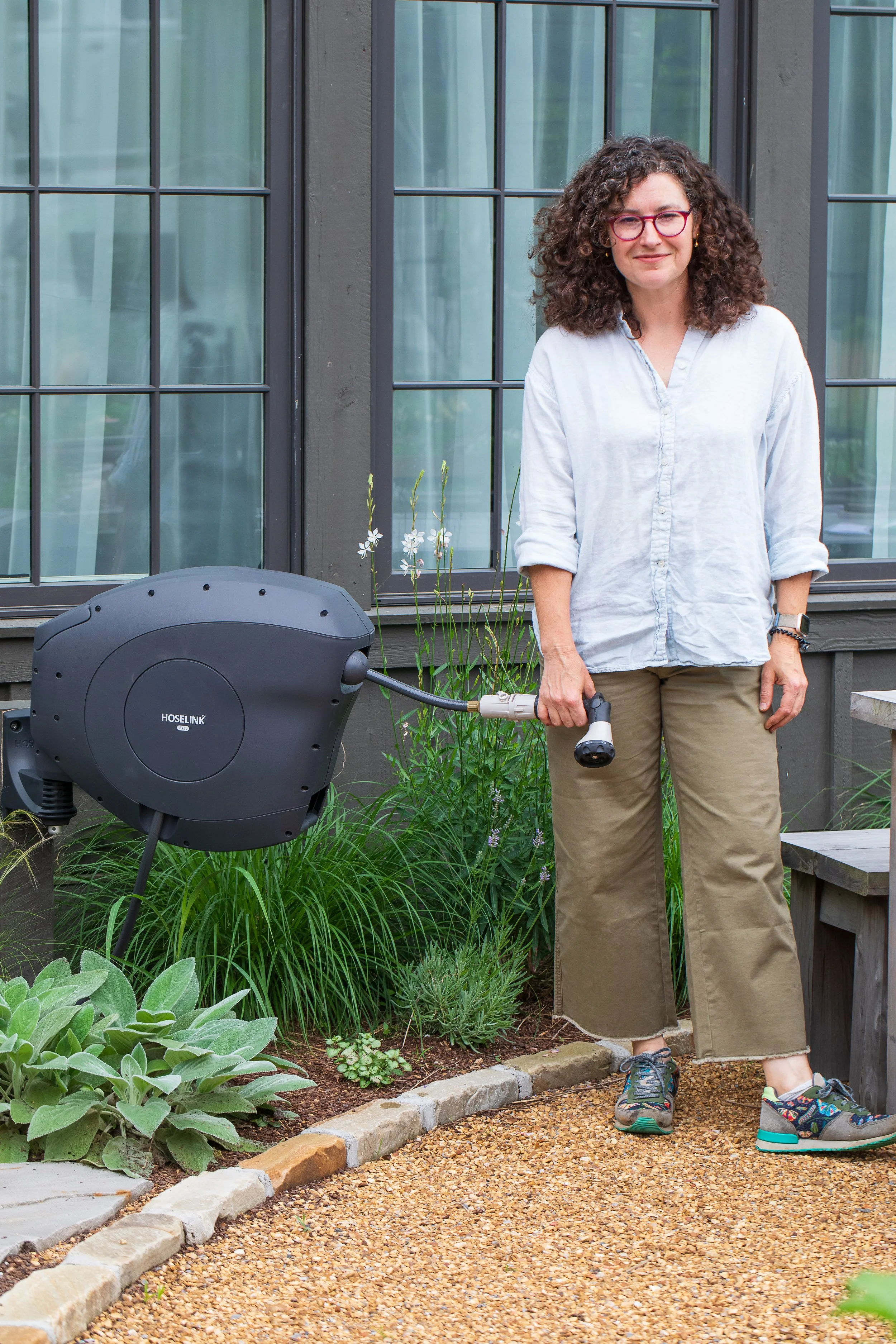
I’m putting this one first for a reason. If you read no further, finish this:
Remove your hose timer if you have one, and store it in the house. They have batteries in them that should not freeze.
Remove your hose wands and store them in the garage. The nozzles and valves will break if frozen, and there is no need to reinvest in one of these year after year.
Drain and store hoses. Remove hoses from spigots, drain them completely, and store them indoors to prevent cracking during cold weather.
Turn off irrigation systems. If you use an irrigation system, drain and winterize it to avoid freezing and potential damage to pipes. Timers should be disconnected and brought into the house or garage during winter so that any residual water left in the mechanics doesn’t freeze.
Winterize fountains. Turnoff pump and drain water from fountains. Insulated covers are available in various sizes to protect your structure from extreme temperatures.
Clean and store garden tools. Before storing your tools for the winter, clean them to remove any dirt or plant material, sharpen blades, and apply a light coat of oil to prevent rust.

Harvest:
If you’ve been hanging on to tomatoes and peppers like me, it’s REALLY time to say goodbye. With frost coming this weekend, they will all die and turn to mush, so harvest now if you want any more yield from the summer plants. Remember: blushing tomatoes will continue to ripen at room temperature and any pepper can be enjoyed green (even if they were labeled “red snack peppers”). One you’ve harvested all you can, go ahead and cut the entire plants out at soil level and compost them now — before they get gross next week.
And the fall-planted veggies are really coming on now. I’ve seen gorgeous arugula, kale, lettuce, Chinese cabbage, collards, and radishes ready to eat in gardens all over Middle Tennessee.
Dill, parsley, fennel, chives, oregano, and rosemary are looking great, too.
Mint is making a glorious comeback in lots of gardens. Harvest and dry some for winter teas.

Planting:
Focus on bulbs: garlic, onions, shallots in the veggie garden. And tulips, daffodils, alliums, and snowdrops in the flower beds. After planting these bulbs, you don’t need to do anything! Just let them overwinter in the soil. You won’t see green until spring.
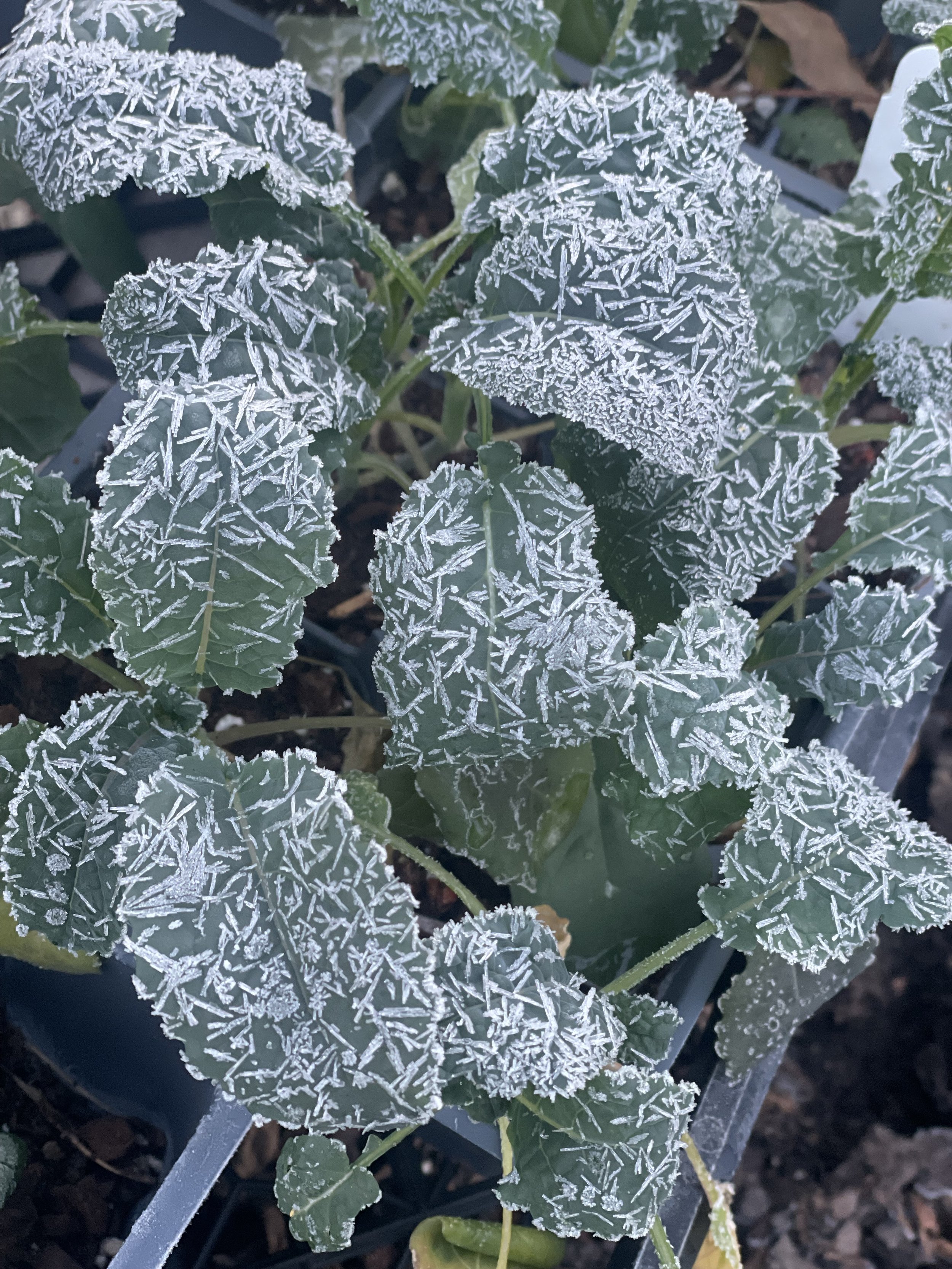
Frost protection:
The warm weather has been pretty great over the past few weeks, but we know it won’t last forever. Be prepared with hoops and frost cloth if you want to keep your garden going all winter long. Even among frost-tolerant plants, there are different degrees of “tolerance.” Lettuce is one of the most sensitive of our fall/winter crops, especially if the temperature drops suddenly. For the best chance of keeping your lettuce happy, cover your garden if the temperature is forecasted to drop below 28 degrees.
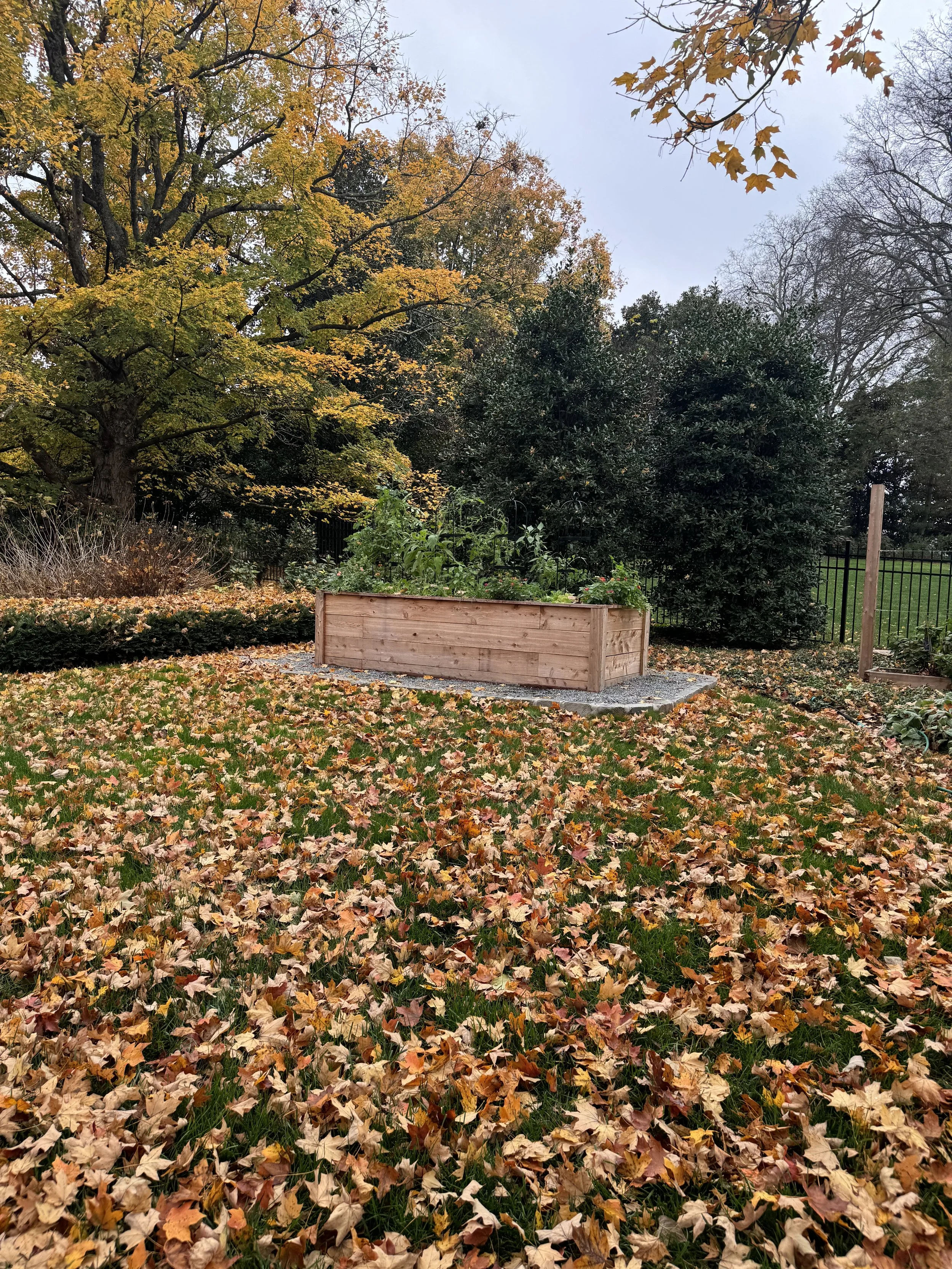
Protect and Enrich your Soil, Naturally
You can let the leaves that fall into your garden stay there, or even proactively add a layer of chopped leaves to your beds to serve as insulation and slowly break down and feed the soil over winter. Keep them away from tiny seedlings though, so sunlight can reach the new babies. Leaves provide good mulch for your berries, too.

Plan for next year
Take notes. Reflect on your garden’s successes and challenges from this season. Make notes about which plants performed well, what issues you encountered, and ideas for changes next year. A flip through your camera role might jog your memory.
Order seeds early. If you have specific varieties you loved this year, consider ordering seeds early to avoid shortages in the spring.
