Q&A: How can I use more of my garden produce in holiday cooking (and in everyday winter meals) next year?

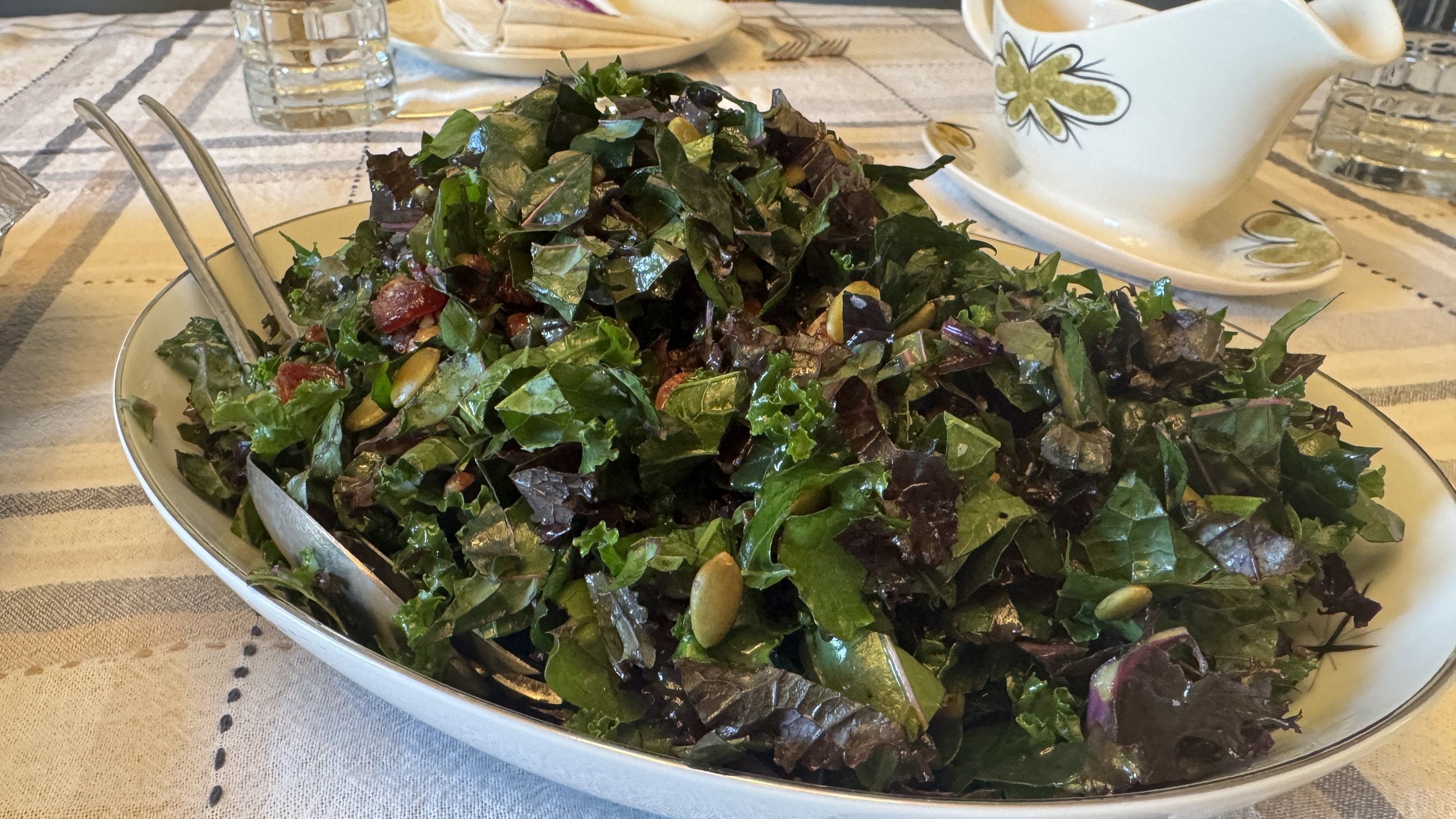
In the last newsletter, Sarah got us all hungry when she shared a full menu of hearty recipes using winter garden produce. I can just hear some of you thinking, "Sounds delicious, but I don't have any of that stuff growing right now." Guess what? This is the moment to change that for next year. Garden planning doesn’t actually start with seed catalogs, it starts in the kitchen. When you’re cooking for the holidays or pulling together everyday winter meals, you begin to notice what you wish you had on hand. So make a list of what you cook, eat, and love. That's your plan for what to grow in next year’s garden.
This December, I’ve been using my own harvest with sincere satisfaction after having an empty garden last fall and winter during a rebuild. But this year, the tan cheese pumpkins I grew (and their cousin, tromboncino squash) have turned into silky Thanksgiving vegan cheesecake and bright orange soups. My rosemary, thyme, and sage—still going strong—have flavored everything from focaccia (it's so easy!) to stuffing to slow-simmered stews.
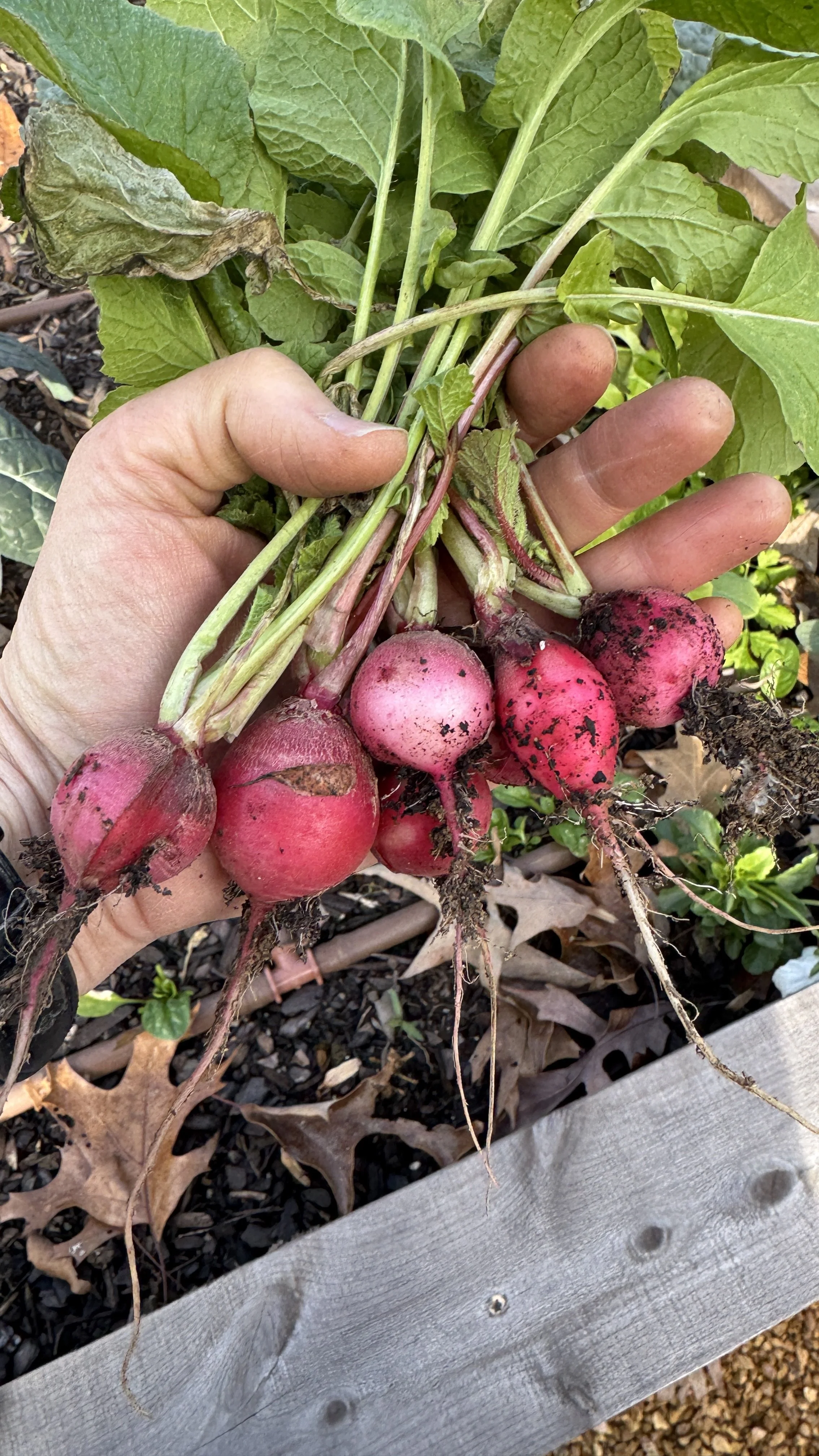
And then there’s the one garden bed I'm intentionally babying through this winter. Just one, so it doesn’t feel like a chore. I covered it early with frost cloth, and now I know I’ve got lettuce, carrots, radishes, turnips, arugula, broccoli, and cilantro to pull from when I need something fresh. Add in frozen tomatoes for sauces and dehydrated lemon balm, tulsi, and ginger for tea, and suddenly the garden is providing year-round.
I'm seriously giddy. If you think it feels good to eat from the garden in June, double that for January. And if you want more of your favorites from the garden next winter here’s how to make it happen.
1. Use Herbs to Build Flavor All Winter
Winter and holiday meals lean hard on aromatics. A tablespoon of freshly chopped rosemary is wintery and warm all at the same time. Herbs turn staples into something special.
From the garden right now:
Rosemary for roasted vegetables, chicken, and focaccia
Sage for stuffing, brown butter sauces, and fried toppers for pumpkin soup
Thyme for soups, braises, and roasted roots
Cilantro and parsley for brightening winter grain bowls and taco night
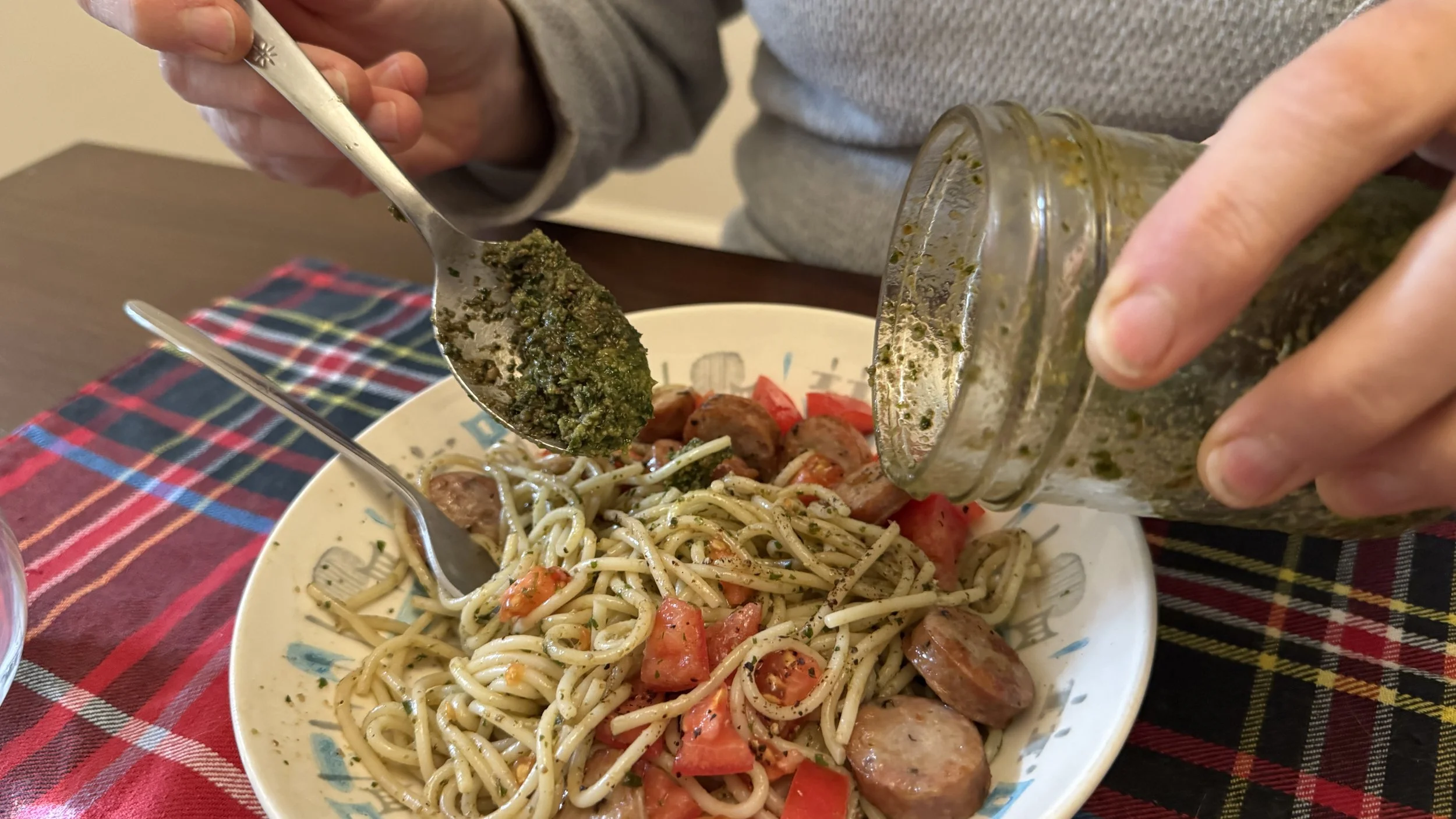
Basil Pesto for pastas, sandwiches, and pizza
Planning ahead:
Grow more perennial herbs in an spot that's easy to access from the kitchen
Plant cilantro and parsley in early fall so you have fresh healthy plants going into winter
Grow herbs in pots you can move closer to the house, or even inside, when temperatures drop
Preserve herbs at peak flavor by drying, freezing in oil or butter, or making pesto or herb salts
2. Winter Squash Starts in Summer
Tan cheese pumpkins, butternut squash, delicata, and (my new fave) tromboncino squash have been the stars so far this winter. They store beautifully, their flavor improves with time, and they work great for both savory and sweet dishes.
Why they rock for winter cooking:
Long storage life with no special equipment
Endless uses: soups, pies, roasted sides, purées
A direct replacement for canned pumpkin
Planning ahead:
Remember: winter squash is planted in late spring and summer, not fall
Give these vines plenty of space (or strong vertical support) so they can size up properly
Choose at least one long-storing variety specifically for winter meals
Harvest fully mature fruits and cure them well so they store for months
Think of winter squash as a pantry staple you grow, not just a summer vegetable
If you cooked with squash more than once this season, plant it next year.
3. A Little Preservation Goes a Long Way
Preserving doesn’t have to be complicated to pay off—you don’t need to master pressure canning or stock a shelf of specialty equipment to make your harvest last well beyond the season.
What’s working for me:
Frozen tomatoes for sauces and chili
Dehydrated lemon balm, tulsi, and ginger for winter teas
Pesto frozen in ice-cube trays
Fermented hot sauce using all the peppers I had to salvage before first frost
Planning ahead:
Grow enough of your favorite crops for both fresh eating and preserving
Put time on the calendar for processing harvests—freezing tomatoes, drying herbs, curing squash—so it doesn’t feel overwhelming
Take stock of freezer space before summer hits (and eat what’s already in there!)
Decide which tools would actually support your habits: a chest freezer, dehydrator, extra jars, or freezer containers
Treat preservation like part of the growing season, not an afterthought
4. Protect One Bed for Winter Eating
You don’t need to winterize the whole garden. One well-tended bed is plenty.
By planting densely and covering early, I can keep harvesting greens and roots through the cold months with very little extra work.
Planning ahead:
Pick one bed and plant it strategically with the crops you want to protect through winter
Make sure you have adequate hoops and frost cloth on hand before fall arrives
Plant densely so you get steady harvests from a small space
Remind yourself this bed is an invitation to keep visiting your garden all winter—not something to dread
Bringing It All Together
As you cook your way through winter, let your habits inform your future garden choices. Your winter kitchen is full of clues about what belongs in next year’s garden. And remember: winter cooking starts in summer. The meals you’re enjoying now are the result of choices you made months ago—and the ones you make next year can be even better.