An Introvert’s Guide to a Social Garden
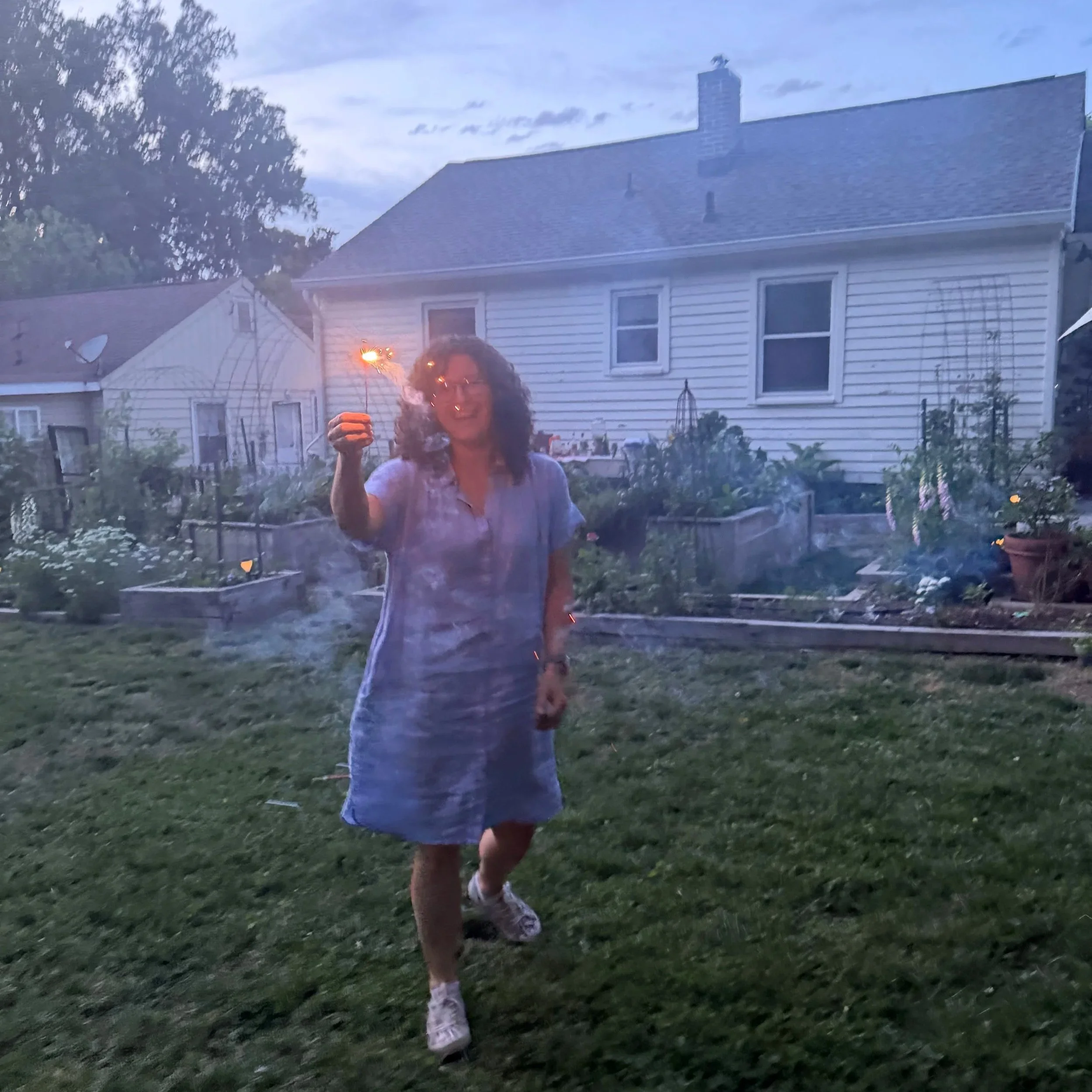
My garden is full of people.
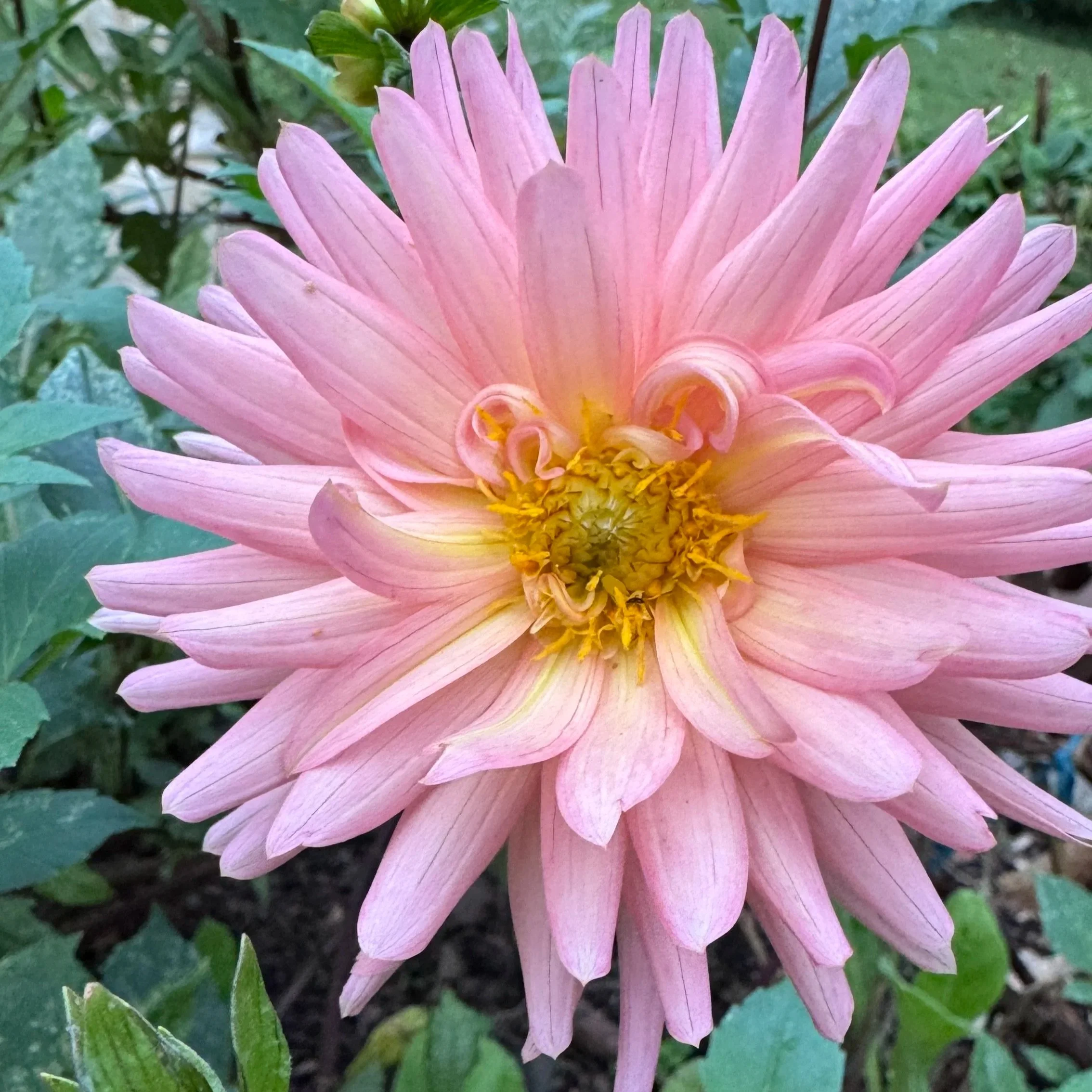
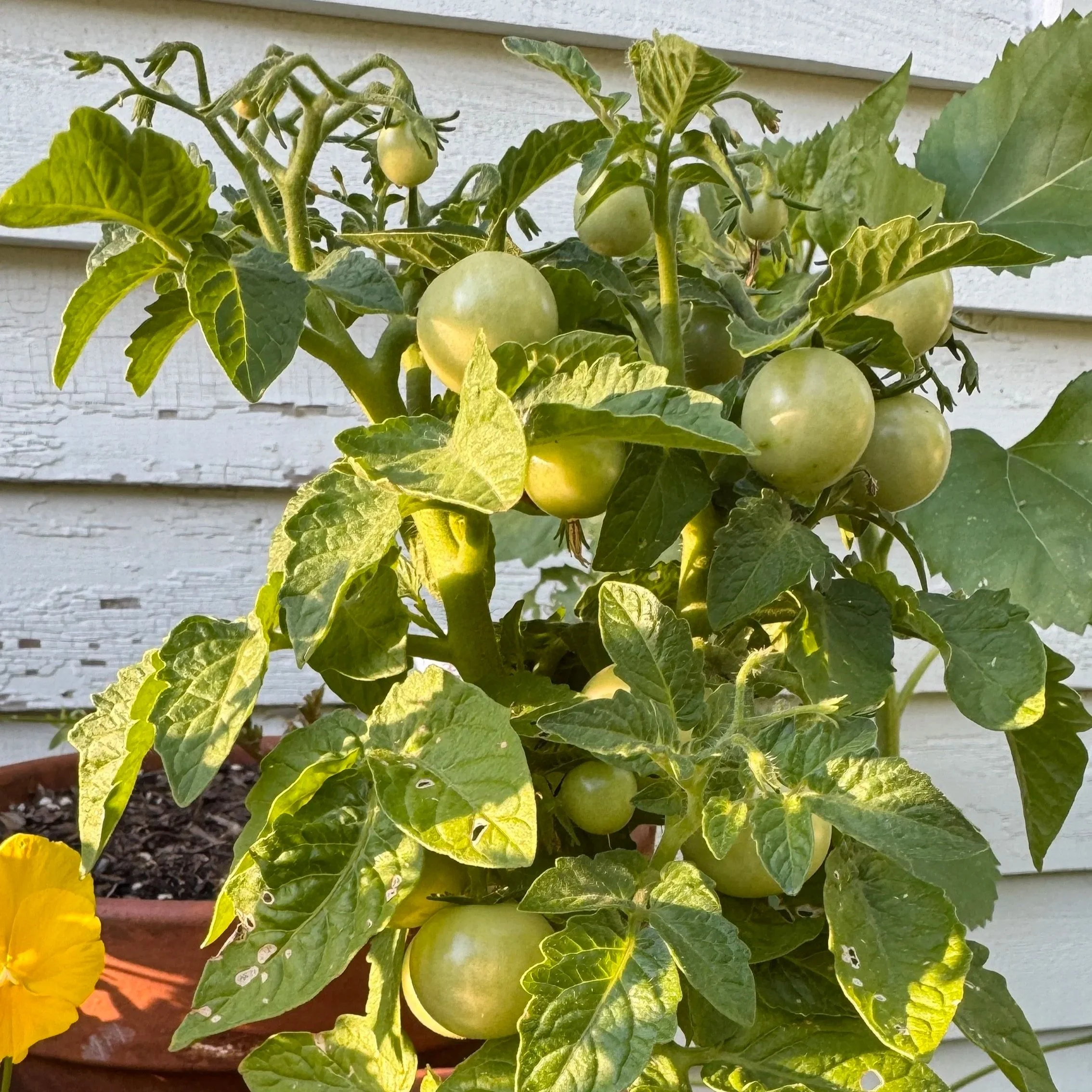
There's a dahlia growing on the southwest corner of my garden that didn't come from a catalog or any garden center. Kate gave me that tuber, dug from her own overwintered stash, handed off in a baggie with “Garden Wonder” written on the side in sharpie. Nearby, a clump of elephant ears is unfurling — also from Kate, via her dad who brought bulbs back from a winter in Florida. A mini dwarf tomato is settling into its spot, a variety I'd never have found on my own, a gift from Melissa who is becoming a micro-plant evangelist. Sarah divided her stinging nettle and sent some my way. Justin showed up with brown-eyed susans. My mom brought me the seeds for that gigantic purple savoy cabbage. The cool rusty obelisks are from Jason and the big bottle of fish fertilizer was a welcome hand-me-down from Katherine when she moved to NYC for a new job.
I'm someone who needs quiet to recharge. The garden is one place where I can be alone and genuinely content. No agenda, no notifications, just the work in front of me. But here's what I didn't expect when I started growing things: the solitude doesn't isolate you. If anything, it connects you more specifically. You're not surrounded by people, but you're thinking of them constantly — who would love this variety, who needs some of this, who taught you to do it this way in the first place.
So somewhere between the weeding and the watering, my phone comes out. Not to scroll, but to send. As soon as that dahlia opens and I'm texting Kate. When I harvest my first tomato, Melissa is getting a review of the flavor. Justin will want to know as soon as my Brown-Eyed Susans open, so he can run out and check on his.
It flows both directions, too.
Motherwort got divided and a clump went to Hannah. I take flowers to anyone with a birthday between April and October. Christmas gifts are herbal tea blends, herbed salt, or calendula hand salves. And lettuce — well, lettuce goes to everyone whether they asked for it or not. Late spring abundance has a way of making generous people out of all of us.
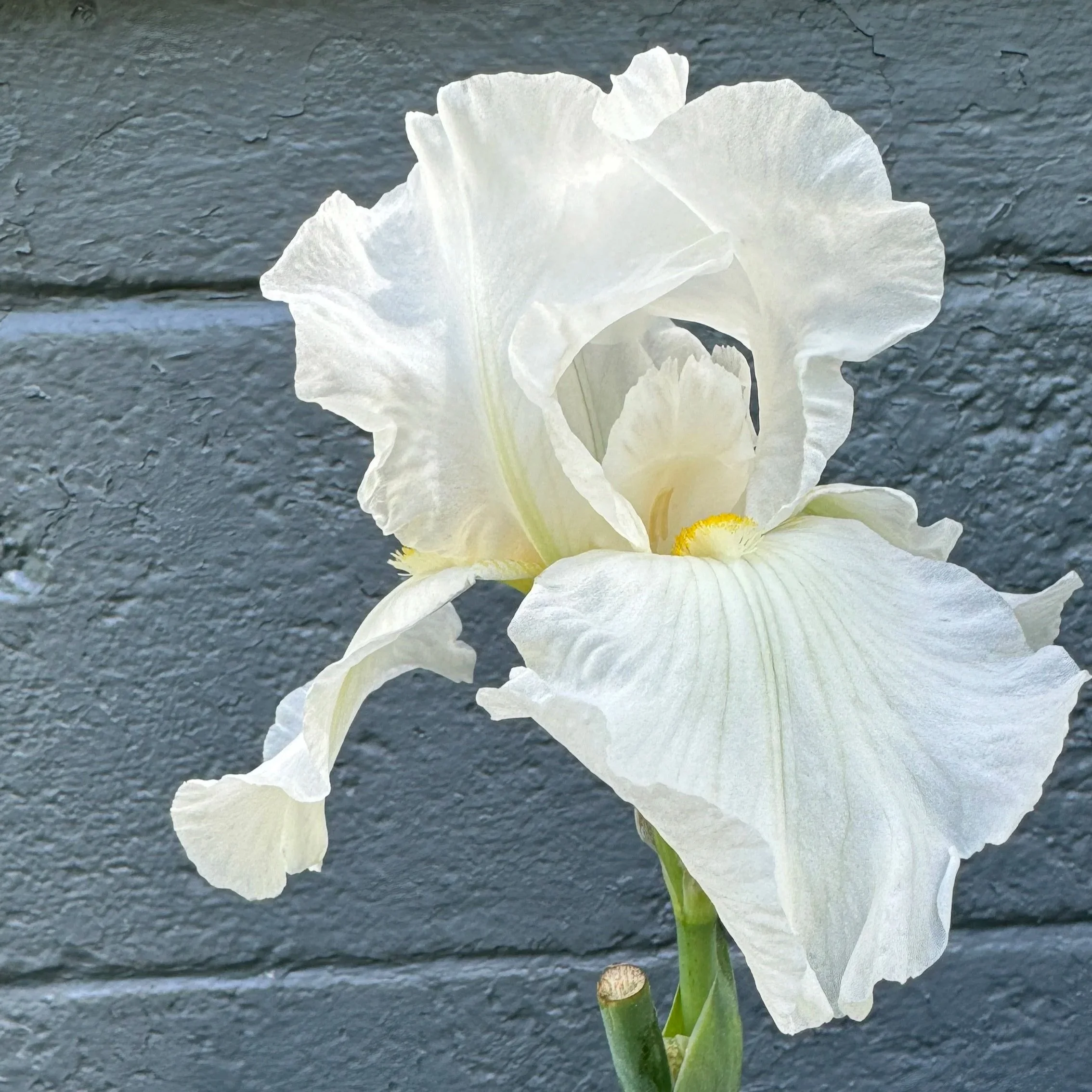
Of course, this is not a new phenomenon. People have been passing plants over fences, tucking seeds into letters, and trading divisions across back yards for as long as there have been gardens. There were irises planted at my house when I moved in, matching Mrs. Harper’s across the street. “She was a real good friend,” she told me of the previous owner.
And how lucky am I to get to be a person who spends time in other people's gardens?
The weekend visits have a vibe — there is a particular joy of showing up at a client's place on a Saturday morning and finding music already playing, coffee being handed over the raised bed, kids splashing in a kiddie pool nearby. I love the dog who's decided the garden is her domain too and she needs to play in the spray of the hose. And the busy mom who comes out just to chat for a few minutes and ends up staying an hour.
These gardens aren't just growing vegetables and flowers. They're growing something harder to pin down — a rhythm, a ritual, a reason to be outside together. I get to be part of that. It's not a small thing.
A garden full of people doesn't happen by accident, but it’s pretty easy to cultivate. A few things to try that have made my gardening more social over the years:
Share what you have. Seeds, divisions, cuttings, excess harvest — if you have more than you need, find someone to give it to. Post in a neighborhood group, bring a bag of tomatoes to work, leave herbs on the porch with a little sign. Generosity is contagious.
Talk to strangers at the garden center. Seriously. Plant people are friendly! If someone is standing in front of the tomato varieties looking uncertain, ask them what they're growing. Ask what worked last year. Some of my best plant discoveries have come from a conversation in the pepper aisle.
Join a gardening community. Local garden clubs, plant societies, and Master Gardener programs are full of people who are excited to share what they know — and what they're growing. You'll come home from a meeting with new ideas, new friends, and probably a few plants you didn't have before. If you've been gardening in a vacuum, this is the fastest way to change that.
Invite people in. You don't need a finished, Pinterest-perfect garden to share it. Set a small bistro table among the beds. Give a tour with snips in hand so your friends leave with a bundle of herbs or a jarful of zinnias. Let someone's kid water something. Let the garden be a place where people feel welcome to linger. You’d be amazed how many people would actually LOVE to help you with the garden chores.
Work alongside someone. There's a particular ease to gardening with another person that has nothing to do with talking. You're both just doing something — weeding, planting, hauling compost — with a shared purpose and no pressure to perform. Some of the best conversations I've had have started after twenty minutes of comfortable silence over a raised bed. If making conversation feels like work, skip it. Just invite someone to come help you plant something.
Work for Tennessee Kitchen Gardens. I’m kinda joking, but not really! We are always open to meeting passionate, knowledgeable gardeners who want to work hard and have fun.
The best things in this business have traveled the same way plants do — person to person, through trust, through relationship. The best new clients almost always came through someone who already knew us. A neighbor who saw a garden and asked who built it. A friend who got too much lettuce and passed along our name.
If you have someone in your life who's been dreaming about a real kitchen garden — a friend, a neighbor, a sister who keeps saying someday — we’d love an introduction. We're nearly at capacity for the season, but we always make room for the right fit. And the right fit almost always starts with a warm hello from someone we already trust.
The best plants in my garden came from people who knew what I'd love. I think client relationships work the same way.