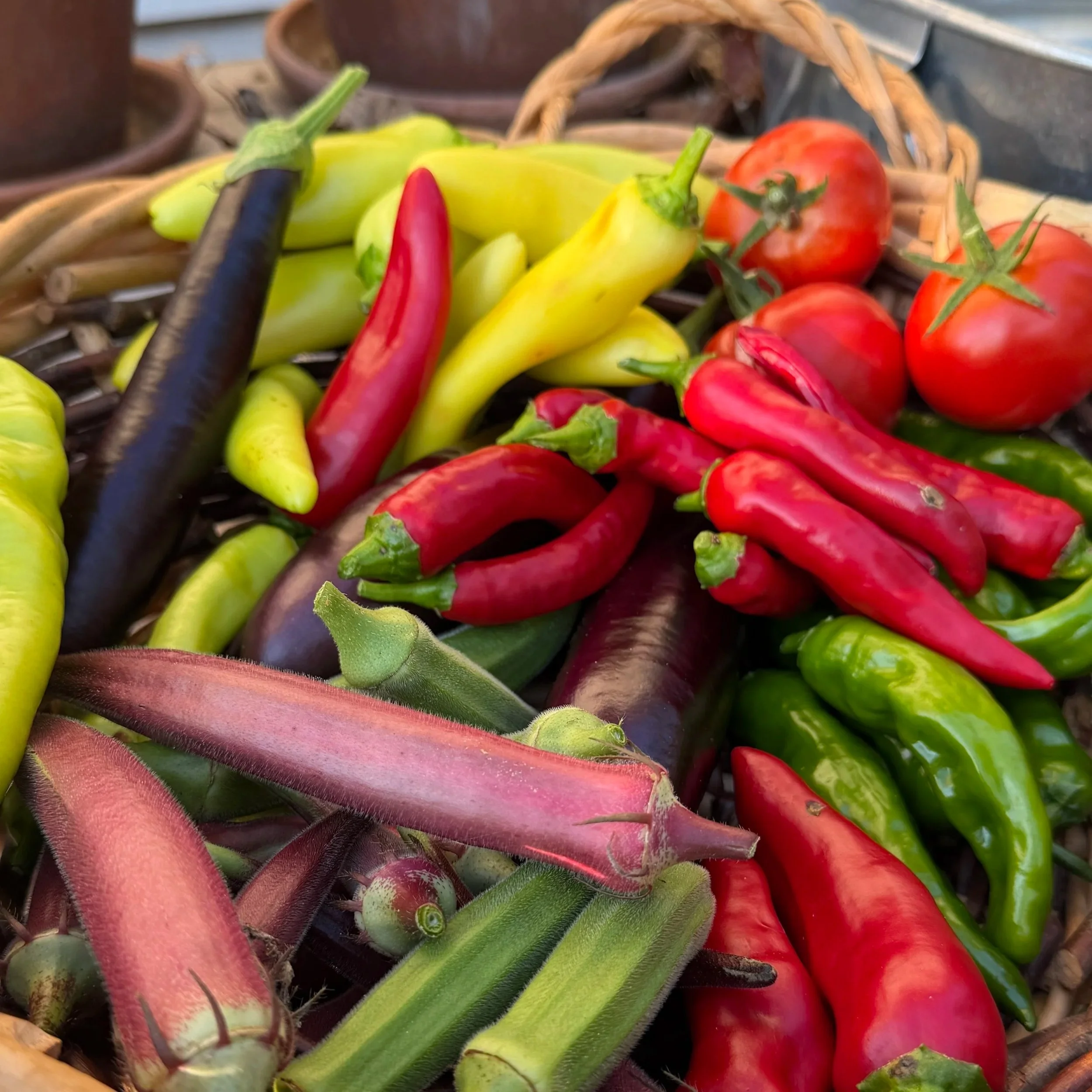
There's an overflowing basket of peppers on my kitchen counter, and somehow it gets fuller every day. I went on vacation, came home, and found that the first truly cool nights of the season inspired every pepper plant in the garden to make up for lost time.
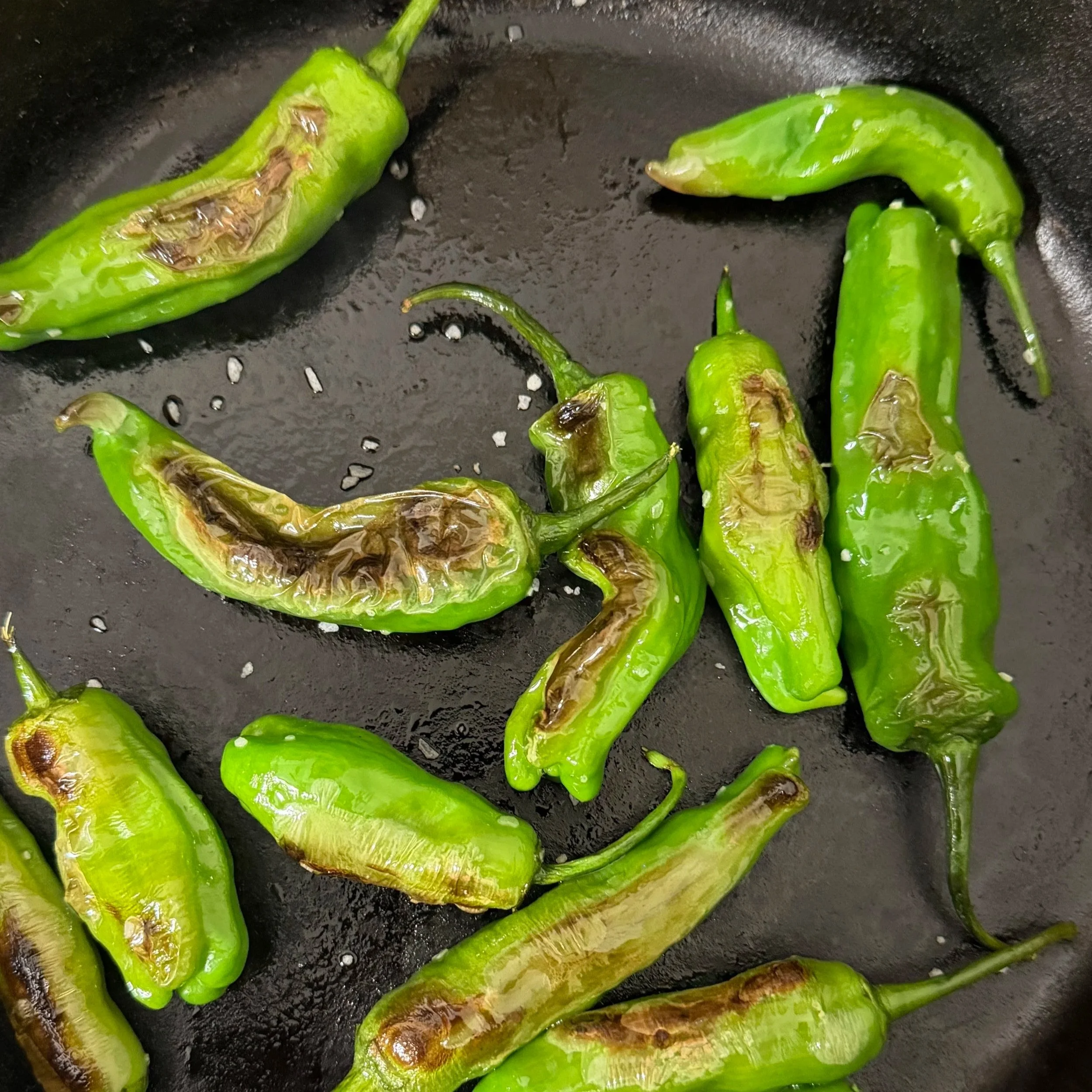
After a long, hot summer, I'm ready to slow down, but my peppers are just ramping up. I'm blistering shishitos for appetizers every night and chopping a jalapeño or Hungarian hot wax into anything that might be improved with a little spice. Still, I have more peppers than I can possibly eat fresh.
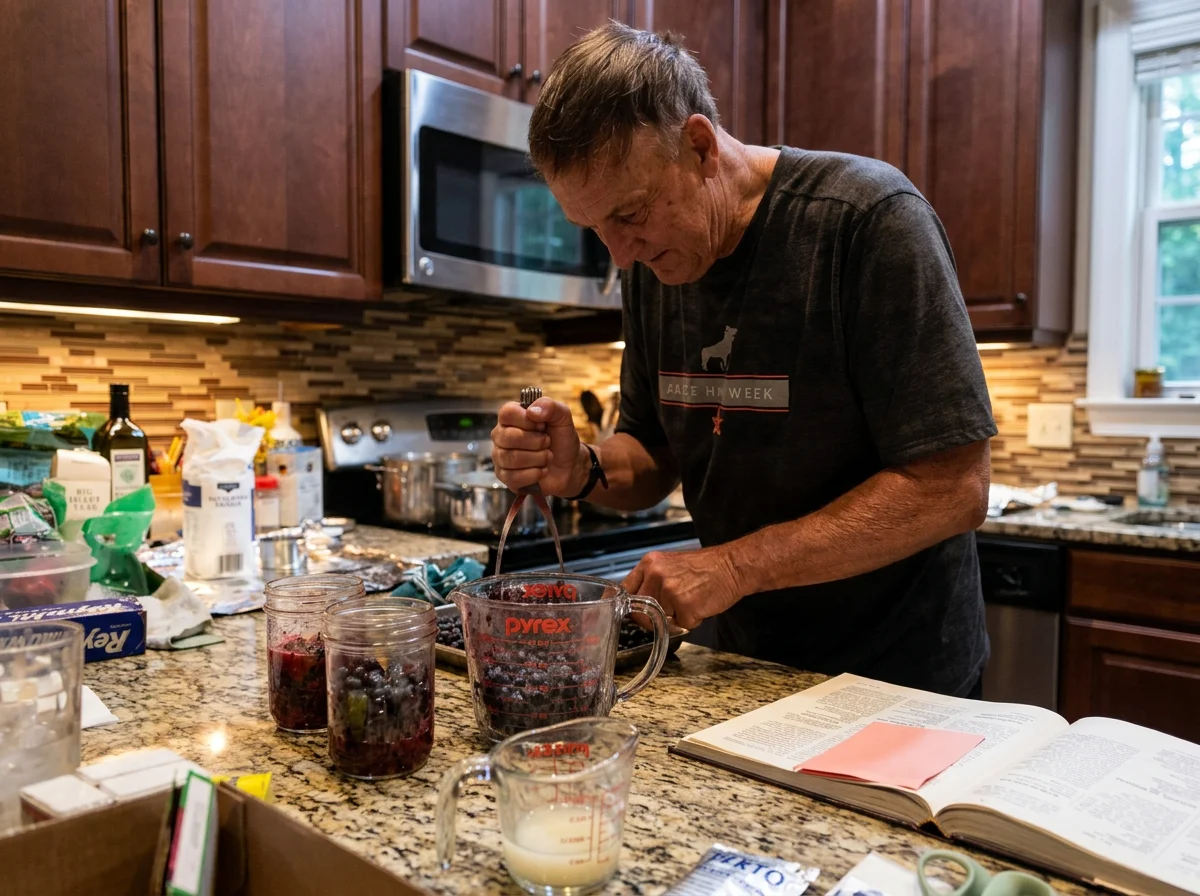
This delicious dilemma happens at some point every season. You have more harvest than you can handle, and it's time to get creative: cook it, give it away, or try your hand at preserving it. Preserving turns a harvest into something that keeps for months, not just a few days in the fridge. Think pickles, tomato sauce, dehydrated soup mixes, or simply blanching and freezing vegetables to have on hand for winter sides.
Our first frost will show up in the forecast sometime in the next few weeks. When it does, it's time to harvest ALL the tomatoes, eggplant, peppers, and beans before freezing temperatures ruin them. The basket of peppers on my counter right now will be dwarfed by what we pull in that day. Gardeners want to be ready with a plan for all that goodness, so Sarah and I are each sharing one way we hold onto a harvest: a recipe, and the cookbook it came from. Mine is a fermented hot sauce, which turns out to be a very good use for a basket of peppers.
Abi's pick: The Best Hot Sauce
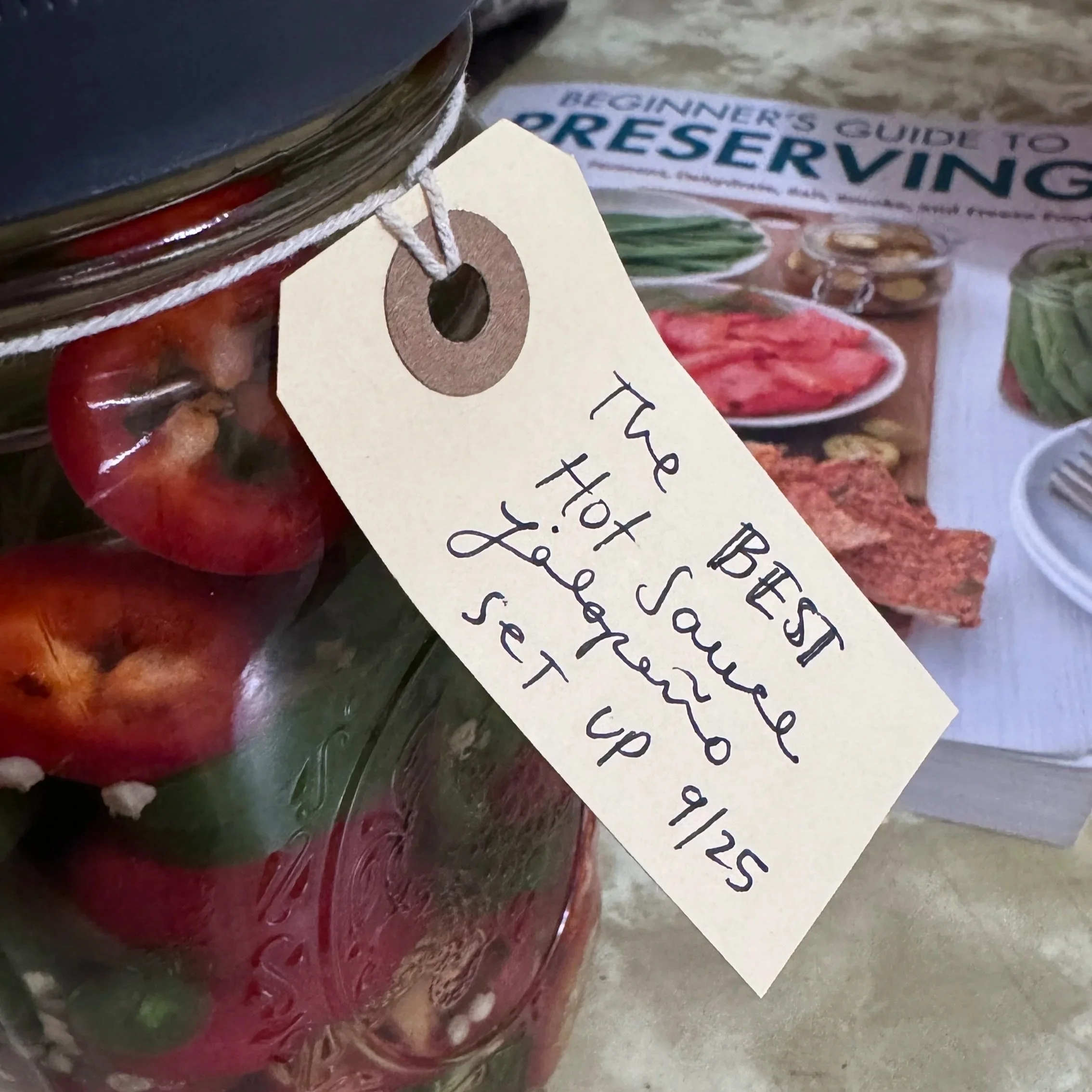
My pick is the fermented hot sauce from Beginner's Guide to Preserving by Delilah Snell, and it is exactly the kind of recipe that basket of peppers was made for. It only asks for a few things you probably already have: a mason jar, peppers, salt, and water.
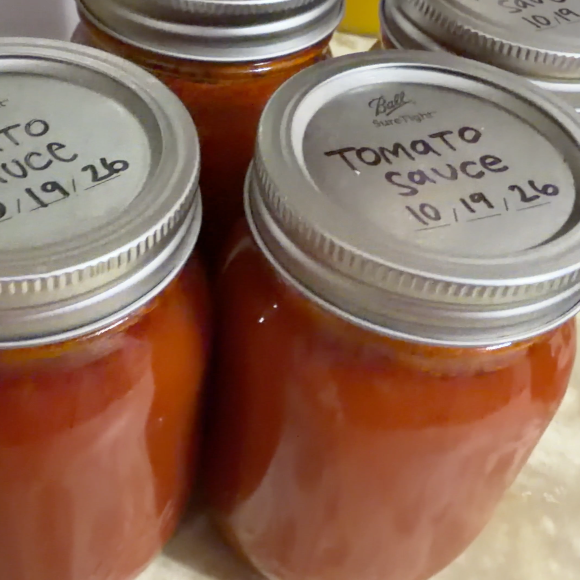
The peppers ferment for a couple of weeks, which builds a tang you can't get any other way, and garlic gets blended in right at the end. I love using jalapenos but have also tried it with sugar rush peach peppers, serranos, and a mix of peppers -- all with great results. The full method is in Snell's book, which is worth having on hand if you're new to preserving. It covers the fundamentals of canning, fermenting, dehydrating, and more in beginner-friendly detail, along with quite a few delicious recipes. I've made tomato sauce, yogurt, herbed salt, barbecue sauce, tomato jam, and dill pickles from this book. Definitely my go-to when I'm dealing with a glorious glut of garden harvest.
Sarah's pick: Herbal tea blends
Several years ago I took an herbalism class with Leah from High Garden Tea, and I started growing dozens of culinary and medicinal herbs in order to create my own home apothecary. As the seasons shift to sweata weatha, I start to crave a a hot cup of tea at the end of each day, and saving my herbs becomes a top priority. I use a food dehydrator to dry tulsi basil, mint, stinging nettle, lemon verbena, lemon balm, and lemon thyme, and I then follow recipes and tea making tips in Rosemary Gladstar’s simple book, Herbal Recipes for Vibrant Health. She includes a guide to tea making and many recipes for herbal ratios in tea. I also love her bath blend for sore muscles and calendula hand salves.
While I’m mentioning herbs, allow me to add one more quick plug for saving your culinary herbs, For some reason, it took me years to stop buying dried sage, basil, or oregano at the grocery store. Now that I have replaced that little jar of McCormicks with herbs from my own garden, I realize the incredible difference in flavor when those dried herbs are just a few months old. Now I keep an Italian mix in a pretty bowl next to my stove, and I add a pinch of my oregano, thyme, sage and basil mix to anything from eggs to pasta to sourdough. I love dehydrating garlic from the garden and blitzing it in the vitamix for garlic powder, collecting dill seed for chicken soup, and toasted green coriander for rice.
If we asked a group of gardeners about their favorite fall preservation tactics, I’m sure we could collect an long list of resources. I think that many people would speak less about their family’s use of pepper jelly or pickled green beans, and more about the traditions that once surrounded the food making. I’ll never forget shelling black eyed peas with my grandmother, or my dad’s self-imposed challenge to beat last year fig preserve production. Food preservation has always been part of our culture, and I hope you can either remember or begin a tradition with your garden produce this year.