

Q&A: How do I prep my soil for spring?
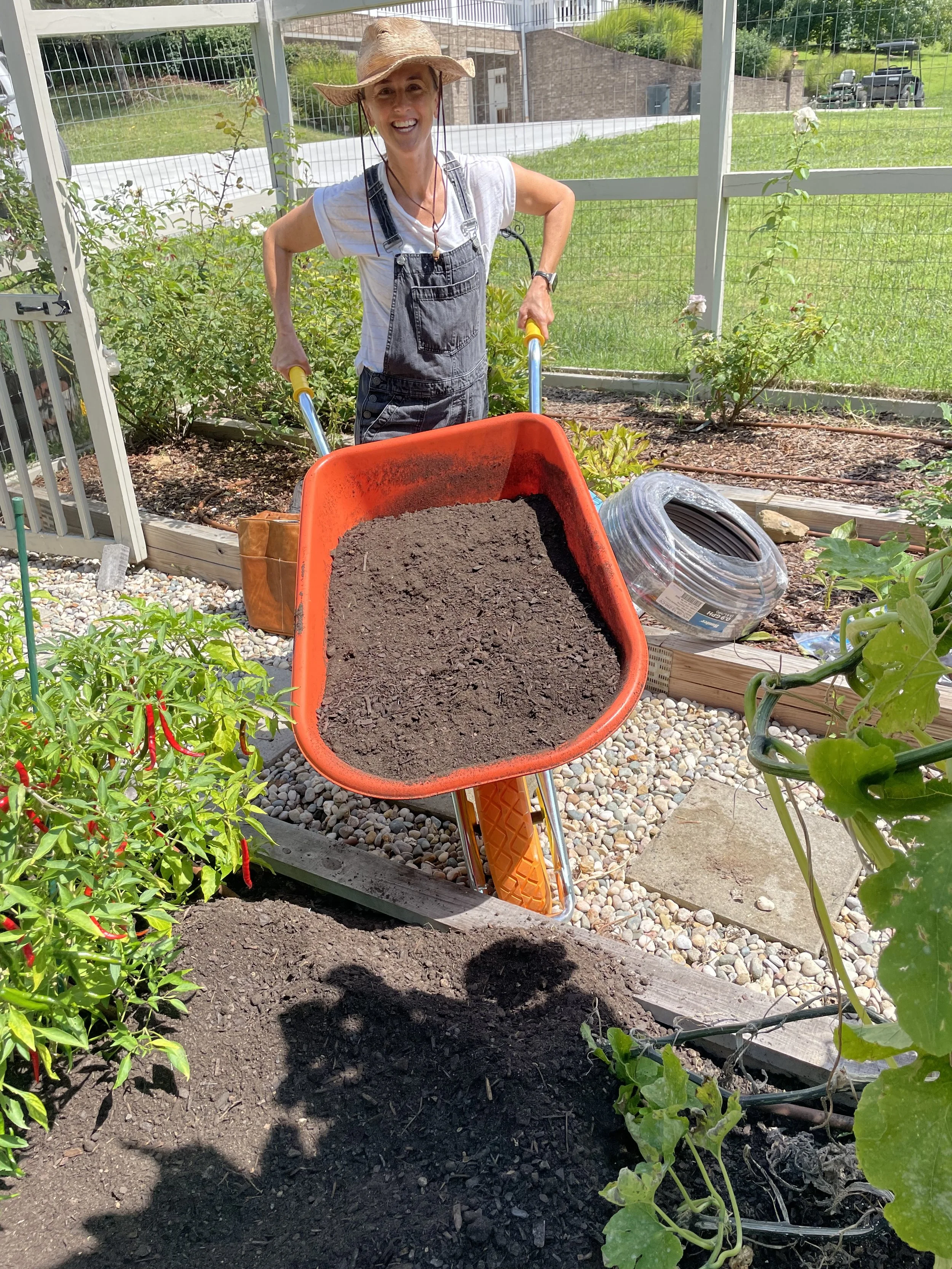

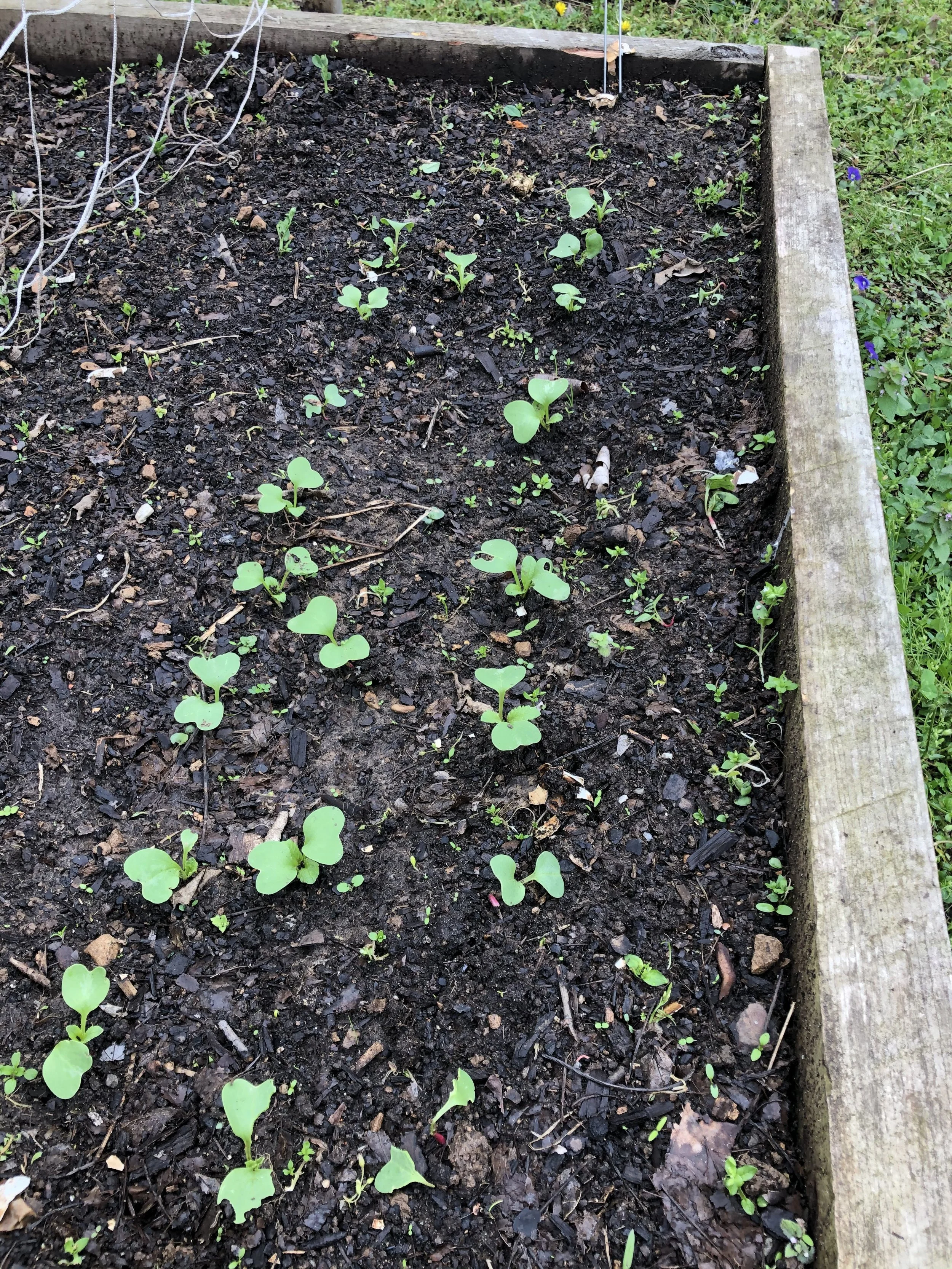
Middle Tennessee gave us quite the seasonal whiplash this year. The ice storm two weeks ago put us in a rare deep freeze, only to swing into shorts weather this week with seventy-degree afternoons. Welcome to winter in Tennessee — dramatic, brief, and followed quickly by spring fever.
In the freeze, our garden beds took a very short beauty nap. Soil moisture expanded and shifted, microbial activity slowed, and plants paused. But because our winters are relatively mild — especially in raised beds where soil drains well and warms quickly — that dormancy doesn’t last long. By the time warm afternoons return, soil life is already waking up and getting back to work.
Spring Soil Prep Steps
Instead of whipping out the rototiller the moment the sun peeks out, approach your spring soil like tuning an instrument before a concert — careful, inspired, and with good rhythm.
Clear Out Old Crops (Thoughtfully)
Remember that you have many perennial herbs in your garden. They may be dormant now, but they start growing again soon. Don’t pull out your oregano, thyme, sage and chives!
Dead plant material can be chopped and composted or lightly incorporated back into beds. If anything struggled with disease, it’s best to remove those plants entirely rather than mixing them back in.
One small soil-health bonus: leaving roots in the ground helps maintain soil structure and feeds microbes as they break down. Sometimes the best soil improvement happens when you simply cut plants at the surface and let what’s below do its thing.
Amend with Organic Matter
Spring is the perfect time to add a generous layer of quality compost, Spread it across your beds and work it gently into the top 6–8 inches with a garden fork. This feeds soil microbes, improves texture, and enhances moisture retention — all without disrupting soil life below too much.
Loosen (Don’t Pulverize) the Soil
Rather than aggressive tilling — which can disturb soil structure and its tiny helpers — we prefer to lighten the soil with a broadfork or garden fork. This increases air flow and makes it easier for roots to stretch out and dig deep once plants go in.
Mind the Moisture
Before you get tooling, give your beds the squeeze test. If soil clumps into a muddy blob, wait — working wet soil is the quickest way to compact it and undo all your hard work. Let soil dry just enough to be crumbly but not sticky.
Consider a Soil Test
A soil test every few years is like checking your garden’s vital signs. Knowing your pH and nutrient profile helps you choose the right amendments — whether that’s lime to balance acidity or specific minerals your veggies crave.
Add Seasonal Mulch
Once your beds are ready, lay down a thin layer of organic mulch. This helps regulate soil temperature, conserve moisture, suppress weeds, and feed soil life as it breaks down through the season.
You won’t regret a tune up before the big performance
Our short winters are certainly the envy of the bachelorette parties who are visiting from Michigan, but the mild weather means that our soil doesn’t get much of a chance to rest. Spring is an important opportunity to feed the soil before we ask three more big performances out of it.
And if the recent warm spell has you itching to get your hands dirty, you’re not alone. The soil is waking up, the microbes are getting busy, and another growing season is lining up just beneath the surface.
Give your beds a little love now, and summer harvests will thank you later.
