Q&A: What Should I Plant in My Fall Garden?
After six seasons of working with clients in Middle Tennessee, we love that people are now just assuming they'll plant a fall garden. The question has shifted from "can I?" to "what should I plant — and how do I make it work for my life right now?"
That's exactly the right question, and as you can see by the length of this list, we think fall in Middle Tennessee is seriously one of the best seasons in the garden. We get crisp salad greens, tender kale, sweet carrots, and cauliflower in colors you won't find at the grocery store. The pest pressure eases, the temperatures become more tolerable, and the crops you plant now will carry you well into winter. 52 Weeks of Harvest, here we come!
But sometimes, the end of summer has you a little burned out on being outside and back-to-school/work life is life-ing. So here's our answer, organized by how much time and energy you actually have right now.
Level 1: The Easy Win
Just plant some salad greens and call it a victory.
If August has wrung you out and you're not ready to fully re-engage with the garden, this is your move. A handful of seeds, a cleared patch of soil, and you're back in the game. No transplants to baby, just direct sow and water.
What to plant:
Lettuce — the fastest gratification in the fall garden. Sow thickly, thin as you go, and eat the thinnings.
Arugula — even faster than lettuce, even more forgiving. A little spicy, a lot satisfying.
Spinach — slower to establish but worth it. Sweet and tender in cool weather.
Radishes — ready in 30 days. Plant again for a second fall crop!
Carrots — take longer but require almost no attention once they're in. Sow now and forget about them until November.
Sugar Snap Peas — got a trellis open? Get these in by mid-August for a fall harvest before frost hits.
Want to go a little further? Keep reading.
Level 2: Re-Commit
You're ready to get back out there. Let's make it count.
Maybe the summer garden got away from you a little. Maybe the jungle situation in the tomato bed has you feeling defeated. Fall planting is your reset button. Go for this level if you really want to feel like a fresh start. You'll be working with transplants here, which means a little more planning and investment, but also a much more dramatic transformation in a short amount of time.
What to plant:
The Kales — and yes, we mean plural. TKG is planting 4 varieties of kale to make this fall/winter workhorse interesting in the kitchen.
Green Curly Winterbore — the classic, incredibly cold hardy, productive all winter
Dinosaur Black Magic — dark, strappy leaves with a more tender texture than curly kale
Redboor — deep burgundy, almost purple. Stunning in the garden and on the Thanksgiving plate
Red Russian — the most tender tasting of the group, great raw in salads
The Brassicas — They take up space and take their time, but the payoff is so worth it.
Broccoli Marathon — reliable, productive, our go-to standard
Sprouting Broccoli — produces smaller side shoots over a longer season rather than one big head. Great for ongoing harvests
Green & Red Cabbage — satisfying to grow, stores well, endlessly useful in the kitchen
Brussels Sprouts — the long game of the fall garden. Plant now, harvest for holiday meals and beyond
The Greens
Swiss Chard — colorful, productive, and almost indestructible. Bridges summer and fall beautifully
Mustard Greens — bold and peppery, they bring heat and bite to a sauté or salad
Pac Choi — tender and crunchy, perfect for stir fries and charring
Chinese Cabbage — fast growing and versatile, great for slaws and soups
The Lettuces — fall can be the best season for lettuce in Middle Tennessee, and we plant a lot of it.
Buttercrunch — sweet, tender, the crowd pleaser
Romaine — crisp and upright, holds well in the garden
Red Leaf — beautiful color, soft texture
Winter Density — the name says it all. This one keeps going when others give up
Salanova Mix — a cut-and-come-again type that gives you a full salad from a single plant
Feeling inspired? There's one more level for the truly adventurous. Keep reading.
Level 3: Go For It
You've cleared some space and you're ready for the fall garden to feel exciting, not just productive.
This is the level for gardeners who want to stop and stare at their garden, make their neighbors ask questions, and eat things they cannot find at any grocery store. These varieties take up real estate — plan for it — but the payoff is worth every square foot.
The Showstoppers
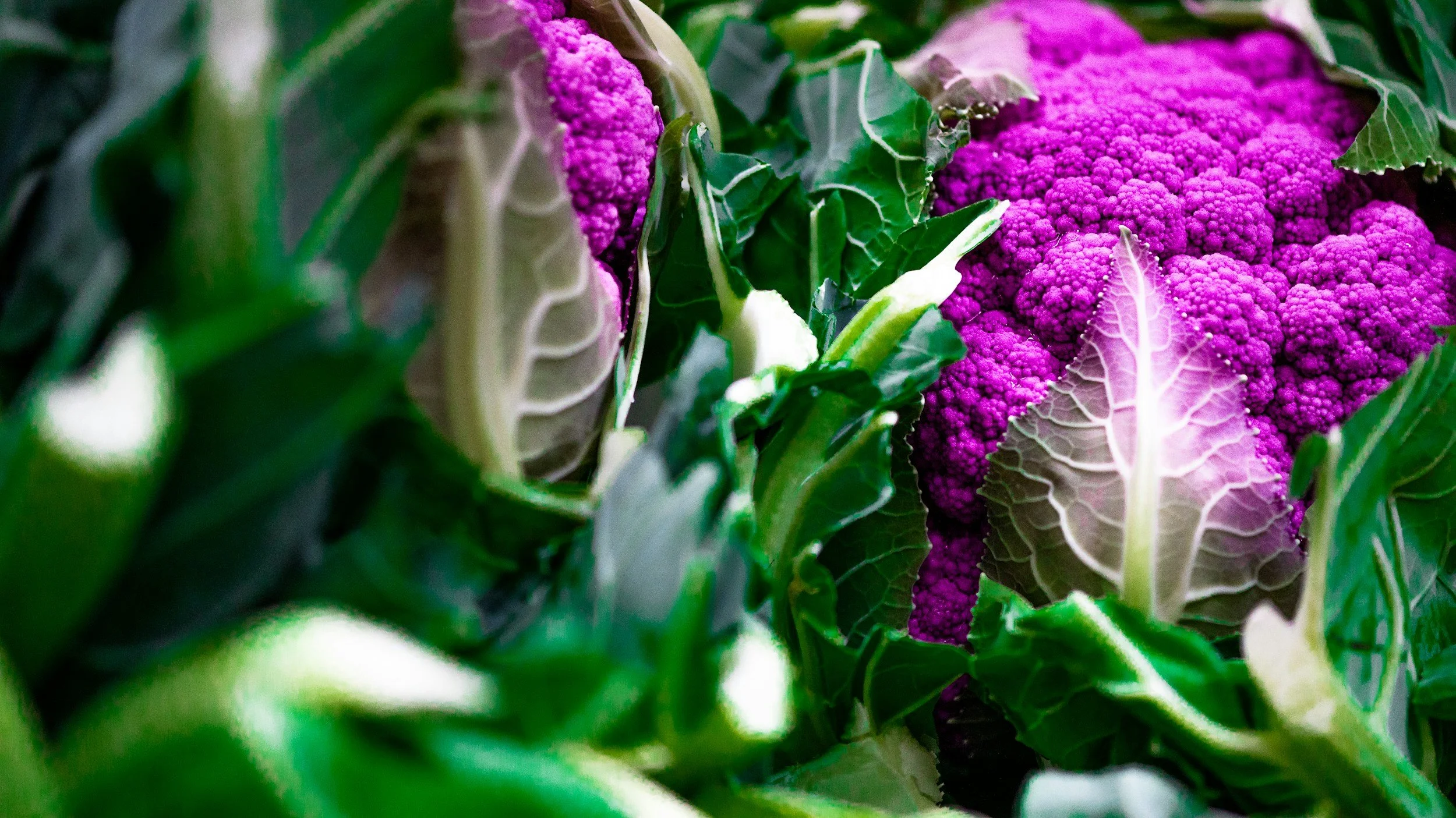
Graffiti Cauliflower — deep purple, holds its color when roasted. One of the most beautiful things in a fall garden.
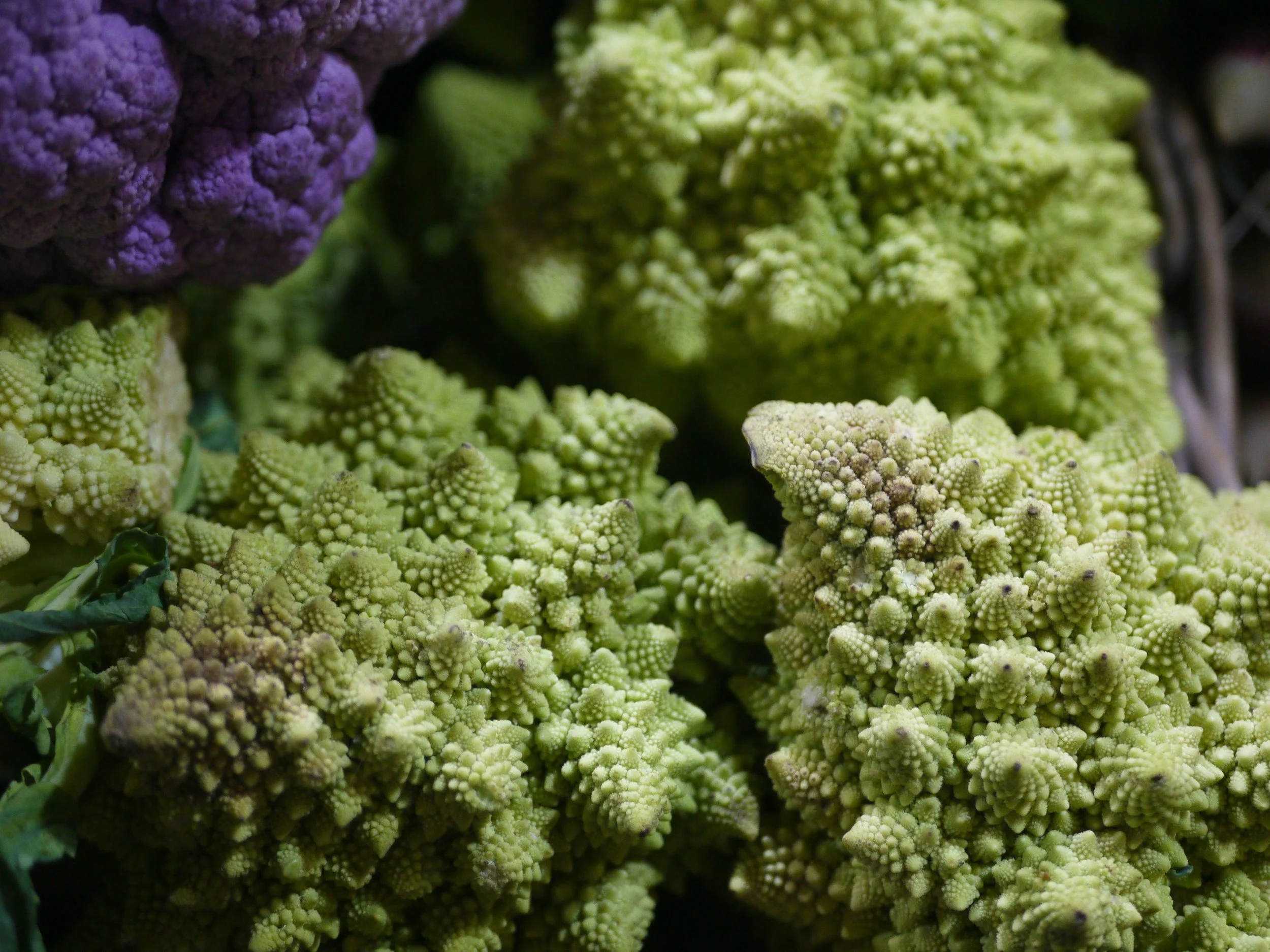
Romanesco — lime green, fractal-patterned, and so perfect it looks computer-generated.
Snow Crown Cauliflower — the classic white, still stunning when you achieve it.
Kalettes — a kale-Brussels hybrid that grows in frilly rosettes.
The Underappreciated
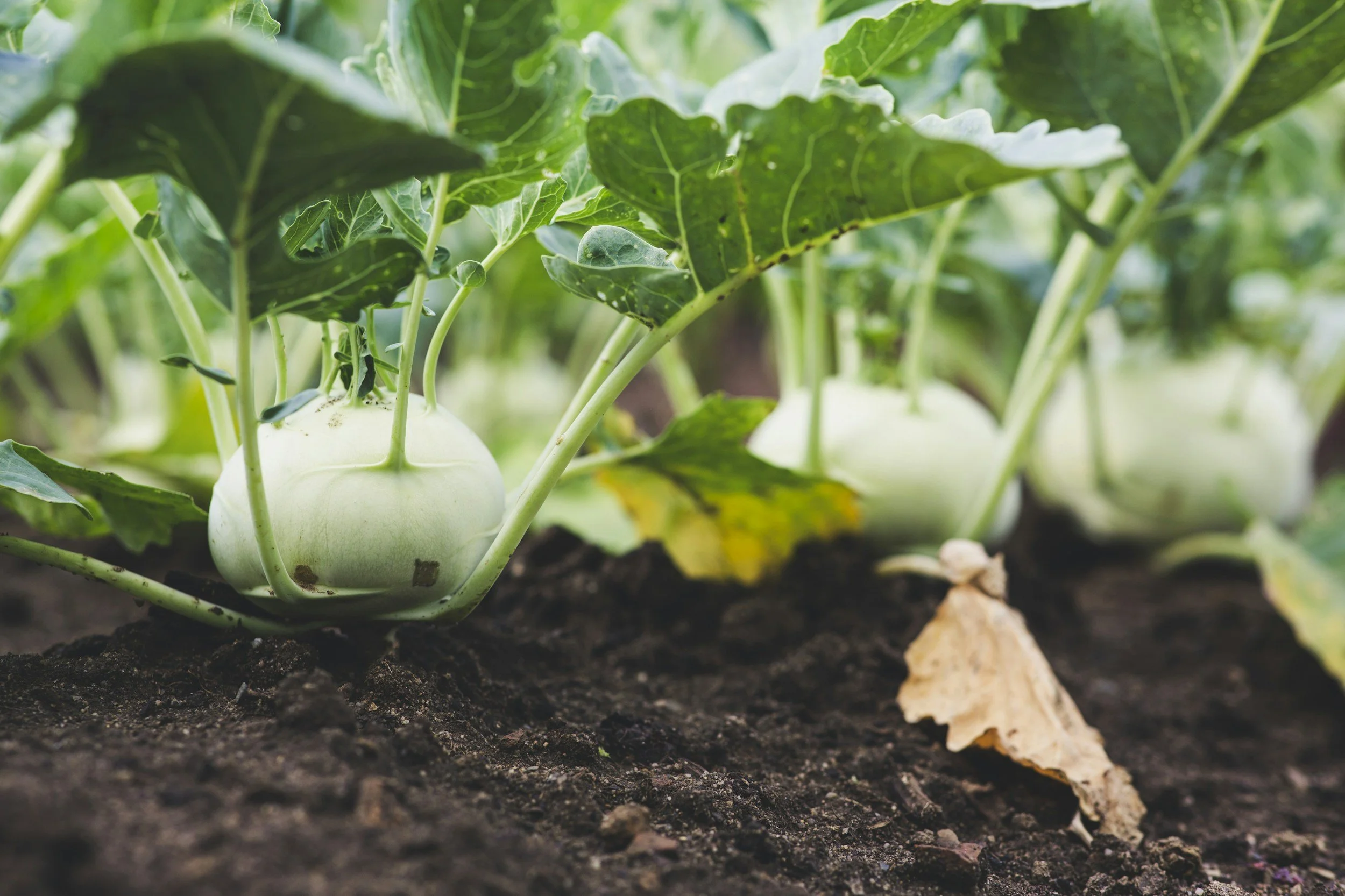
Kohlrabi — alien-looking, crisp, sweet. Eat it raw or roast it until caramelized.
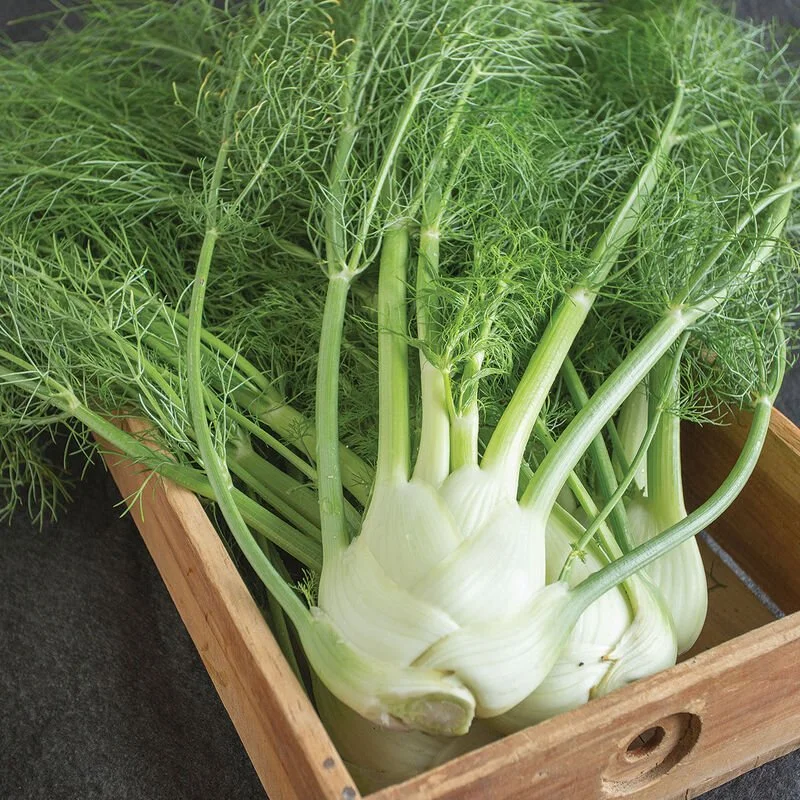
Fennel — beautiful, fragrant, and deeply underrated in the kitchen garden.
Leeks — slow and sophisticated. They make soups unforgettable.
Radicchio — bitter, beautiful, and very Italian.
Roots Worth Getting Excited About
Golden Beets — bright orange, less earthy than red, and impossible to find in stores because they bruise too easily to ship. That's exactly why you grow them.
Turnips — don't udiscount them. Both root and greens are edible, and homegrown turnips are tender and sweet in a way you may never have experienced.
Side Quest: Flowers & Herbs
Easier than you think. More valuable than you'd expect.
Tuck flowers and herbs along the edges of your beds regardless of which level you're playing at this fall. A few notes worth knowing:
Some of what we plant now — snapdragons, ranunculus, dianthus, and violas — is really about getting roots established for early blooms next spring. Think of it as an investment in your future self. Others, like nasturtium, calendula, and alyssum, will give you color and interest right through fall.
For herbs, cilantro, dill, and parsley are your fall flavor alongside the perennials already in the ground (chives, oregano, sage, thyme, and rosemary). Cool weather makes all of them more potent. Don't overlook cutting celery for your sou-making in the fall kitchen.
Quick Tips for Fall Garden Success
Start with the soil
Summer crops are heavy feeders and your beds have been working hard since spring. Before you plant, add 1-2 inches of compost to the soil. Use Biotone fertilizer for new plantings and add a higher nitrogen amendment like Blood Meal to areas where you will plant big brassicas like broccoli and cauliflower.You don't have to clear out the summer garden completely
Fall seedlings can go in around your still-producing summer crops. Tuck lettuce and arugula into the shade of a pepper plant. Interplant kale in the gaps left by spent squash. As summer crops wind down, fall crops will take over naturally. The transition doesn't have to be all-or-nothing.Water like it's still summer — because it is
September can still be brutally hot and young transplants have no established roots to draw moisture with. Water newly planted fall crops consistently until you feel the season genuinely shift. This sometimes means 2-3 times a day or a quick mist in the afternoon. Don't let the calendar fool you into thinking the heat is over.Know that things will slow down
As days get shorter, plant growth slows — that's just the reality of fall gardening. What's on this list is frost tolerant, but a hard freeze can take out the most tender things. Pay attention to the forecast as we get deeper into fall and be ready to cover what you care most about.Choose one bed to protect
One bed covered with frost cloth, still producing kale and herbs while everything else is dormant — that's your insurance policy against a gray January. Decide now which bed you care most about and commit to protecting it through winter.