Early September To-Do List
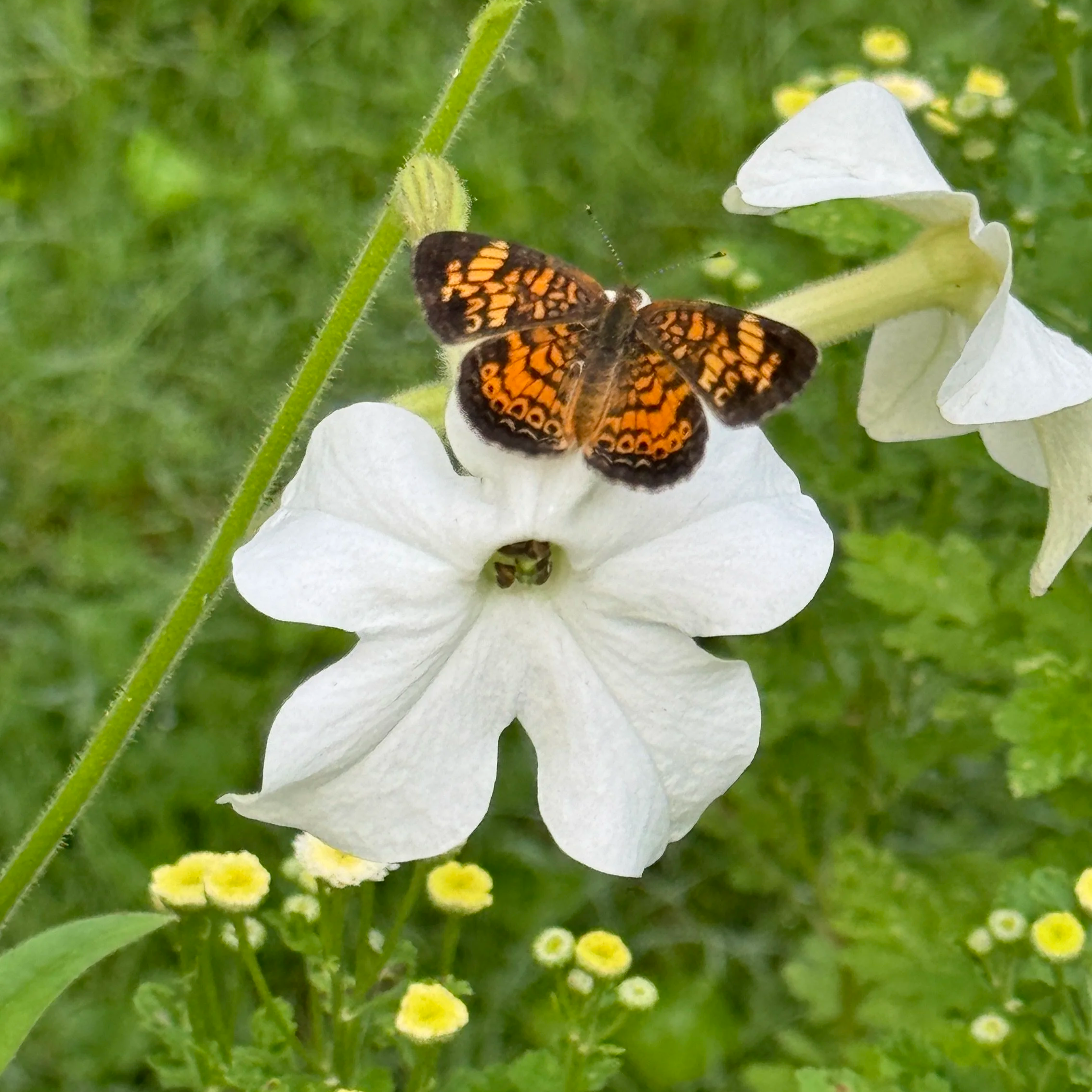
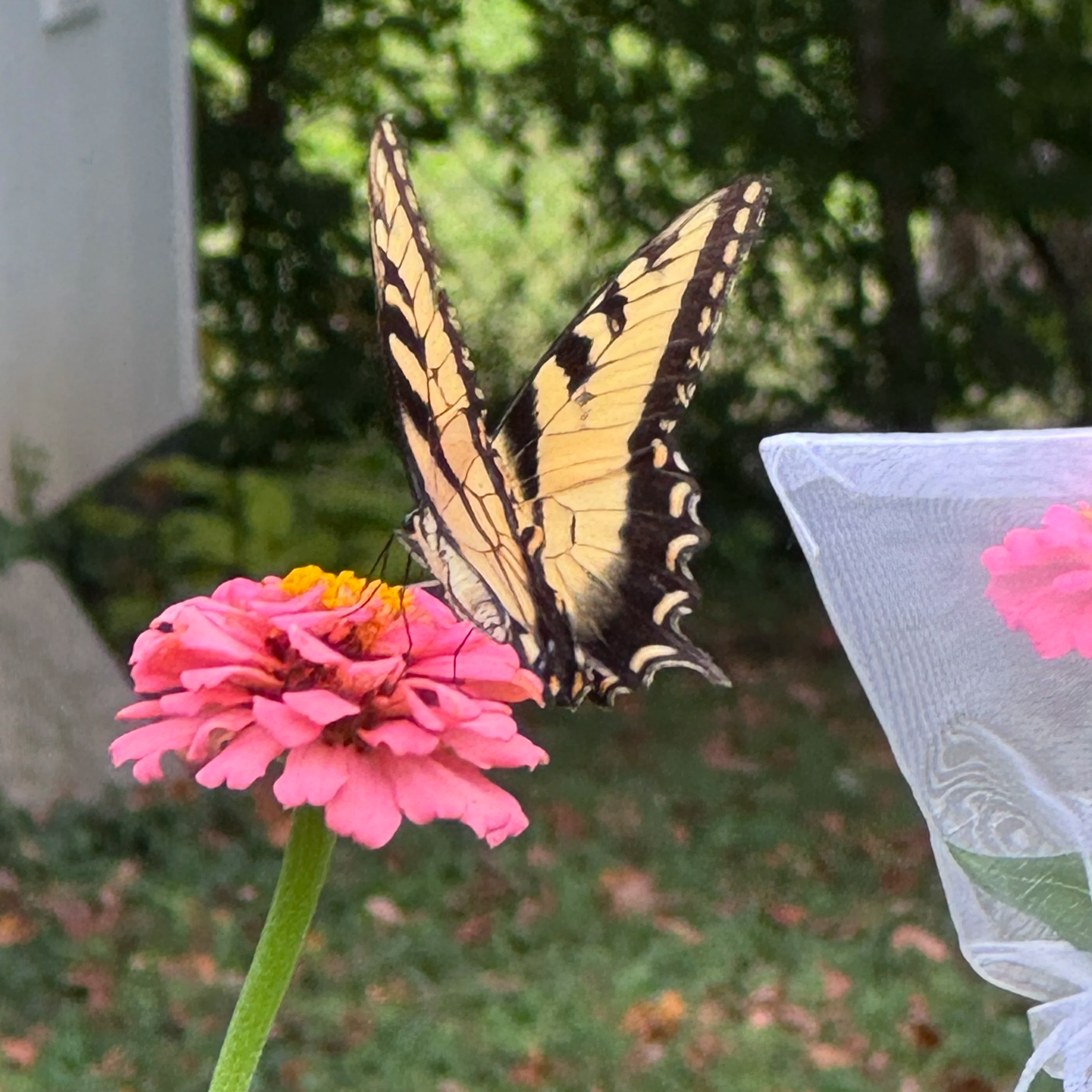
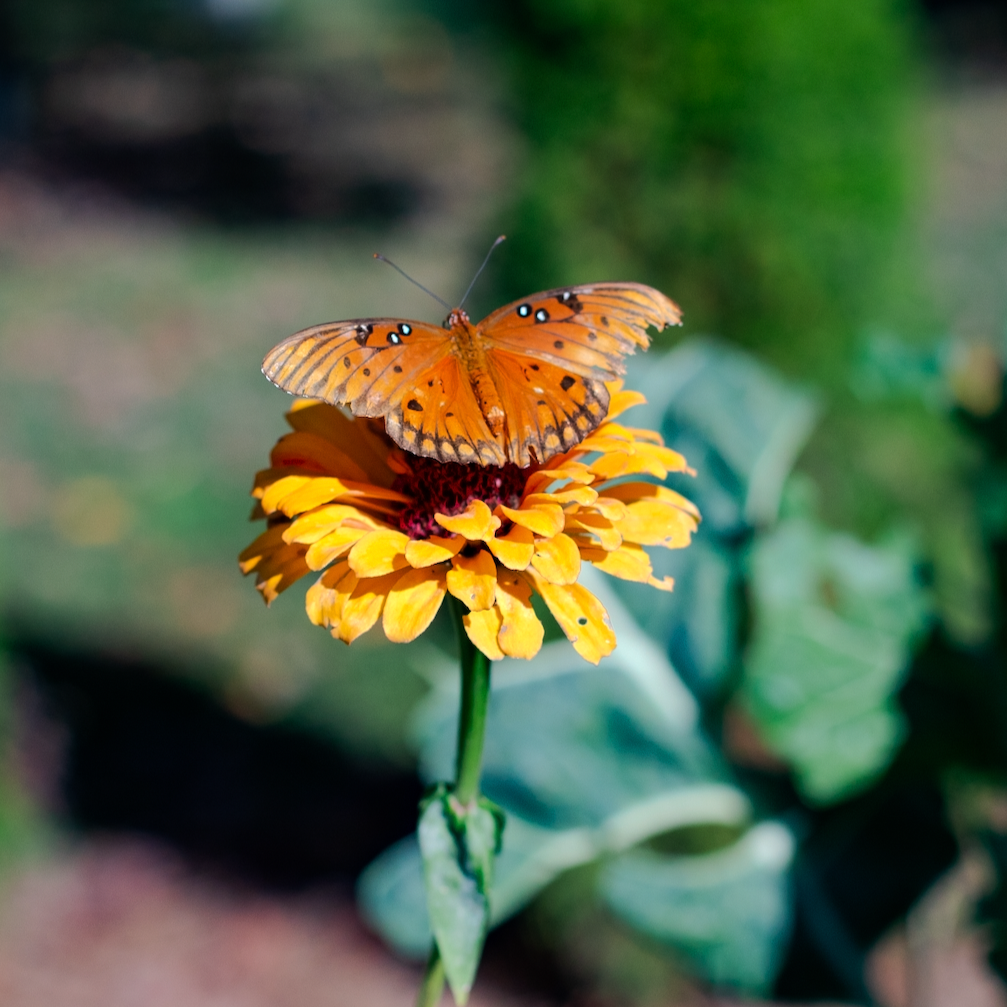
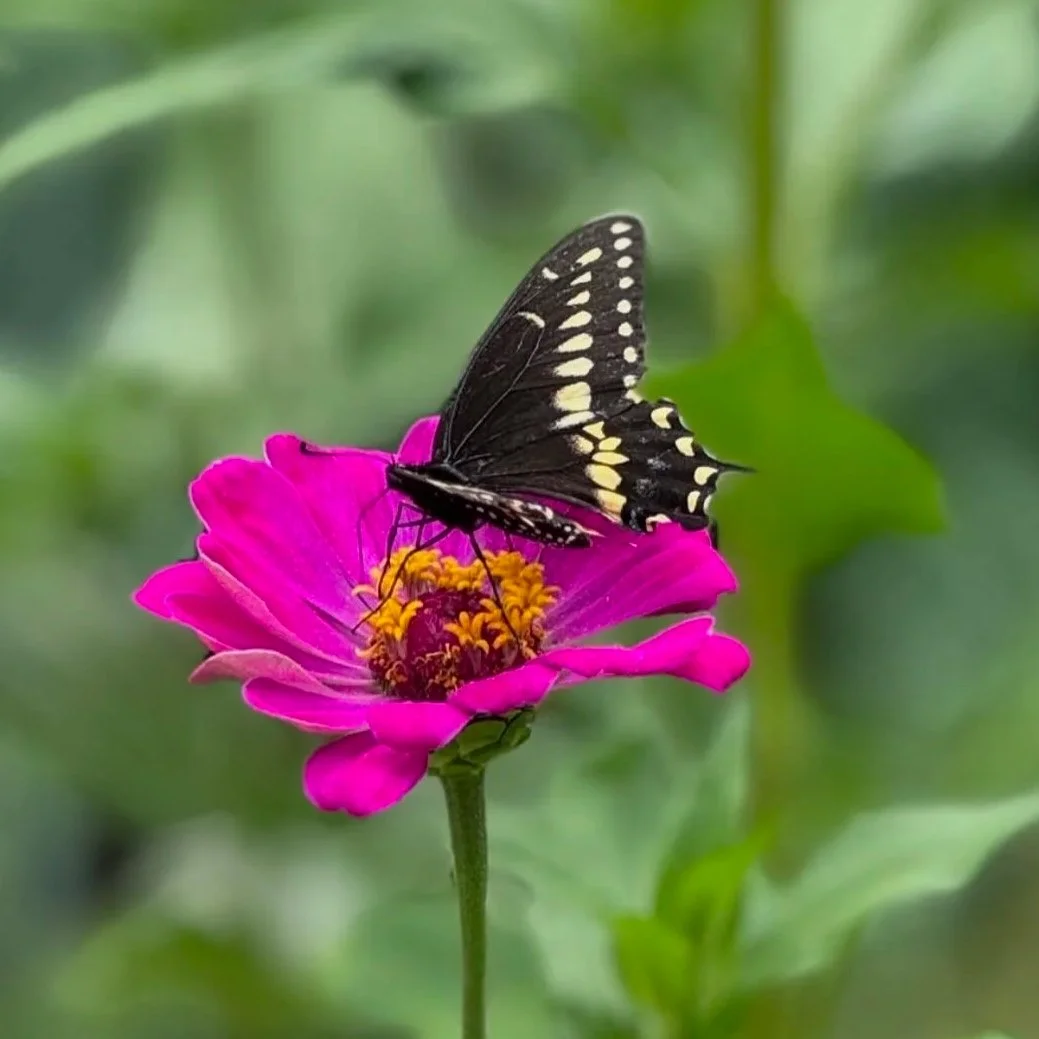
We lost Dolly this week, right here in Nashville, and it feels big. Her influence and inspiration seems to touch every part of life and be just about all we can think and talk about. I find myself asking “What Would Dolly Do?” about every little decision I need to make, and I’m putting a few more rhinestones and rainbows into my outfits this week. Maybe it’s a stretch to Dolly-ify our regular garden to-do list (it’s definitely a stretch), but it just feels good to bask in her positivity and effervescence, and to add a little sparkle to the mundane.
Which brings us to the to-do list: Dolly edition, with love. A song to inspire each of your garden chores this weekend.
“Coat of Many Colors” — Planting
Create a patchwork of colorful crops in your fall garden! Get your bigger cool-season crops in the ground during the first half of this month — broccoli, cauliflower, Brussels sprouts, and cabbage all need a couple of months to mature, and they're racing the Persephone Period (once days drop below 10 hours of sunlight, growth slows way down, no matter what you do). Carrots need that same head start, so get those seeds in now too.
By mid-month, it's time for the quick stuff: lettuce, spinach, arugula, radishes, cilantro, and beets. These move fast enough that you can do a second succession of them at the end of the month if you want to keep the harvests coming.
A few more fall favorites worth a spot in the garden: napa cabbage, kohlrabi, mustard and collard greens, turnips, bok choy, romanesco.
This is also a smart window to plant strawberries, blueberries, trees, and most perennials — they'll settle in through the cooler months and be ready to take off the second spring warms things up.
Cool-season annual flowers work the same way if you plant them in the next few weeks: snapdragons, pincushion flower, rudbeckia, poppies, foxglove, stock, calendula. (If you want the deep dive on growing these "hardy annuals," Cool Flowers is the book to have.)
Don't forget to prep your soil before anything goes in — [here's our full soil prep breakdown]. And no, you don't need to pull every summer crop first to make room — [here's how we think about that].
If a fall garden isn't calling your name this year, a cover crop like crimson clover or vetch will protect your soil and build nutrients for next spring instead.
“Here You Come Again” — Harvesting
Tomatoes, peppers, beans, eggplant, and okra are still rocking — right when you thought summer was handing off the baton, here they come again with another round. If you planted a second wave of zucchini or cucumber back in July, this is their month to shine too.
Winter squash — pumpkins, butternut, all the ones you planted back in May or June and half-forgot about — are ready when the rind is hard enough that a fingernail can't dent it. Give it a press test before you assume it's not ready.
“I Will Always Love You” — Pruning
We've seen some wild, wooly tomato plants out there the past couple of weeks. If yours are crowding the pathways or shading out their neighbors, it's time to show them who's boss — just because they want to grow in every direction doesn't mean you have to let them.
For a real prune job: start by removing any yellow or brown leaves and broken branches. Tie up the strong, healthy growth that's already heading where you want it (toward your trellis), and remove anything blocking sun from reaching other plants nearby. Take off leaves growing below the fruit too — it opens up light and airflow for the shorter plants around them.
It's hard to cut away that much healthy plant material, especially watching green tomatoes go into the compost pile. But there's real relief on the other side of it: walking your pathways without fighting through a jungle of vines just to reach what's ripening. Sometimes loving something means letting some of it go.
“Jolene” — Pests
You’ve been competing with the pests for months now. But as your summer plants start slowing down over the next couple of months, you'll probably notice the pest pressure easing up too. Still worth keeping an eye out for hornworms, striped cucumber beetles, squash bugs, and flea beetles — pick them off when you spot them. Squish or drown them and stay vigilant for a few more weeks.
But the second you plant kale, cabbage, or broccoli, cabbage moths are going to notice. They will not be able to help themselves. Just like you did back in spring, check the undersides of leaves for eggs and caterpillars, pick off what you find, and spray with BT once a week to keep them from moving in for good.
“Straight Talk” — Support
Eggplant and pepper plants can get so loaded down with fruit that stems and branches start to snap under the weight. Time for some straight talk: if yours are leaning, sagging, or already cracked, stake them and tie them up with twine before you lose a branch you can't get back.
Harvest often, too — the lighter the load, the less likely you'll come out one morning to a broken stem and a sad pile of unripe peppers on the ground.
“9 to 5” — Feed
If your tomatoes and peppers are still putting in the work, give them one more round of TomatoTone to help them stay productive all the way to frost.
New hires (plantings) need plenty of fuel: give your lettuce, arugula, and spinach transplants a boost with Biotone at planting time to help them get established. And if you're going big on brassicas (broccoli, cabbage, cauliflower, or Brussels sprouts) work in extra nitrogen (blood meal is a solid choice) to fuel all that leaf growth before they start heading up.
“Light of a Clear Blue Morning” — Diseases
You may start seeing fungal or bacterial disease showing up on your tomatoes. Keep pruning off the damaged leaves and hope for the best. Some years, it's not a question of if your plants will get taken down, just when.
Powdery mildew (the white or gray dusting you'll spot on squash, zinnias, or cosmos) tends to make an appearance around now too. At this point in the season, just remove the affected leaves. Your plants probably aren't going to grow much longer, but there's a good chance you can keep them going long enough to bring in the fruit or blooms they've already started, since the fungus usually doesn't touch those.
This messy season won't last forever, and there's a clear blue morning coming on the other side of it.
“Better Get to Livin'“ — Planning and Shopping
While you're out buying fall veggies, go ahead and grab garlic and onion bulbs too, along with tulips, daffodils, and alliums. Even though none of those go in the ground until late October or early November. They sell out early, so if you want to enjoy them next spring, better get to livin' and buy them now.
As summer winds down, take a few minutes for your garden journal. Note what varieties did well (and which ones didn't), what tasted best, and how any new tricks you tried actually worked out. And jot down your fall plans too: what you planted, when, and where, so future you has something to work from instead of guessing again next year.