Where’s my free time? Every year mid-August rolls around and it suddenly feels like life is already completely scheduled until the end of December. I get it more than most this year. We've got 60+ garden sessions on the calendar this September alone, and I am tired in the exact same way you are. School's back in session, the calendar filled up with things you agreed to in June without thinking it through, and you're bone-deep tired from a summer of watering, harvesting, and fighting squash bugs. The last thing you want to hear is that there's more garden work to do.
But here's the thing about gardening in Middle Tennessee: we get a second season most places don't. Our falls stay mild long enough to grow a whole third round of crops. This means two hours this weekend gets you lettuce and carrots by Halloween, kale and spinach still coming in in December, and actual produce from your own garden on the Thanksgiving table. That inspires gratitude more than anything from the store.
But to get the fall payoff, you have to act now, even though it doesn't feel like it. It's still hot, the AC is still running, it’s still summer out there, but the day length isn't waiting on the weather to catch up. The days are already getting shorter, and that's the factor that actually matters for what you plant this week. Ideal conditions would be cool and cloudy with a good rain a few hours after you plant. But don't wait for that day. You're too busy, and the plants don't need perfect, they just need to get in the soil. So if you've only got two hours to give it this weekend, here's exactly where to spend them.
1. Clean out what's done. Be decisive, not precious. Pull the cucumbers, the zucchini, the green beans that have stopped producing. And be honest about the okra if you’ve had your fill. Thank these plants for their service and let them go. Anything diseased comes out too, roots and all. You don't need to empty every bed completely — opening up a few square feet here and there works fine depending on how you've got things planted. The goal is just making room. More details on making room for fall crops.
2. Feed the soil you just cleared. Your soil is tired too. It has to be fed for a successful fall garden. Work in compost. Then, if you're planting brassicas, add a nitrogen boost like blood meal, since broccoli and cabbage need more of it than most fall crops to fuel their leaf growth. More details on fall soil prep.
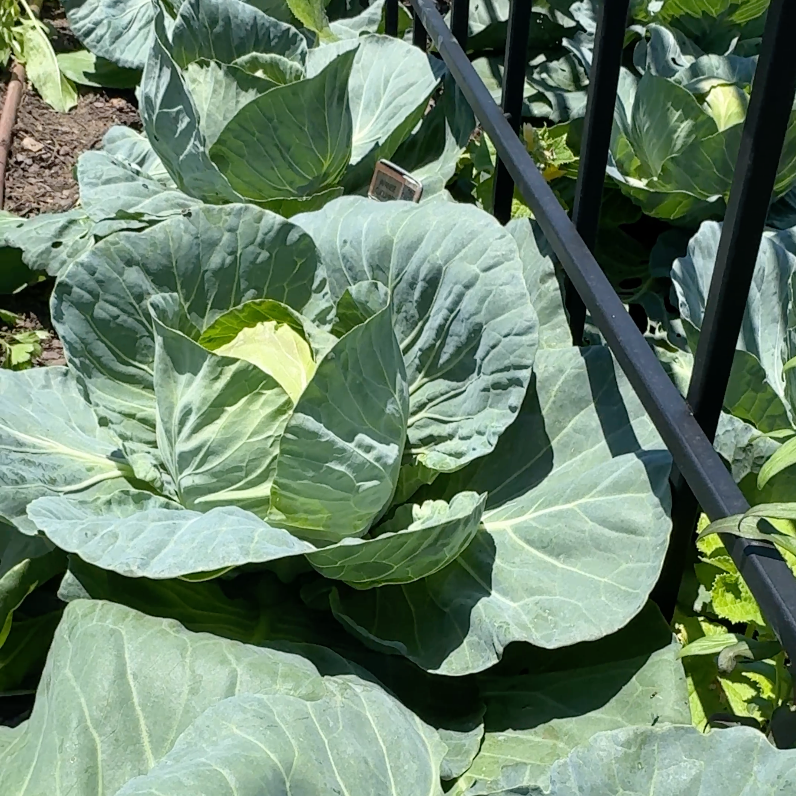
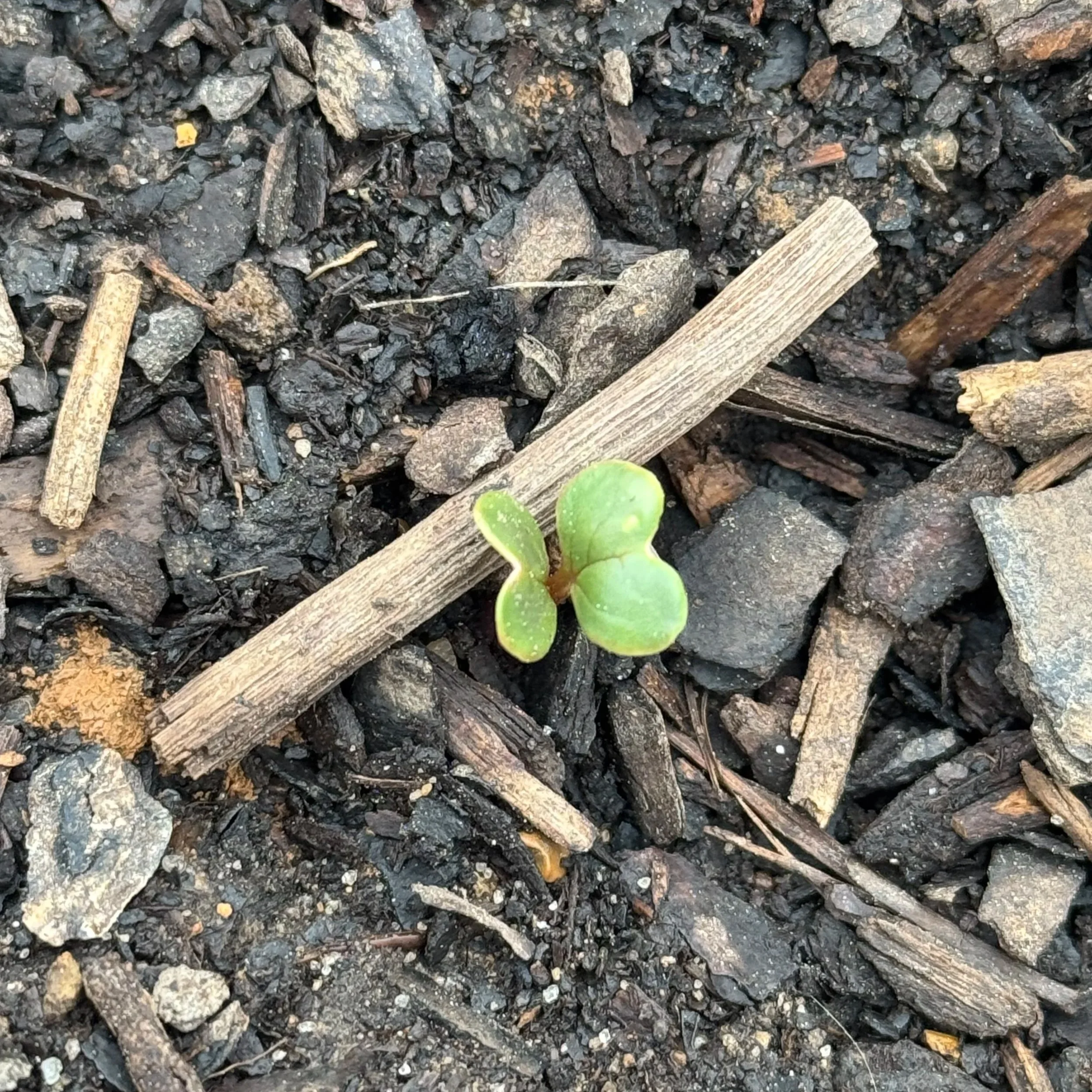
3. Plant your slow crops first — today, not next week. Broccoli, cauliflower, cabbage, and Brussels sprouts need to go in as transplants, not seeds, and they need every day of growing time they can get before the days get short. Carrots and beets go in as seeds now too. These are the crops where timing actually costs you if you wait — so if today's your only real window, prioritize the plants that take the longest to mature. More details on what to plant this fall.
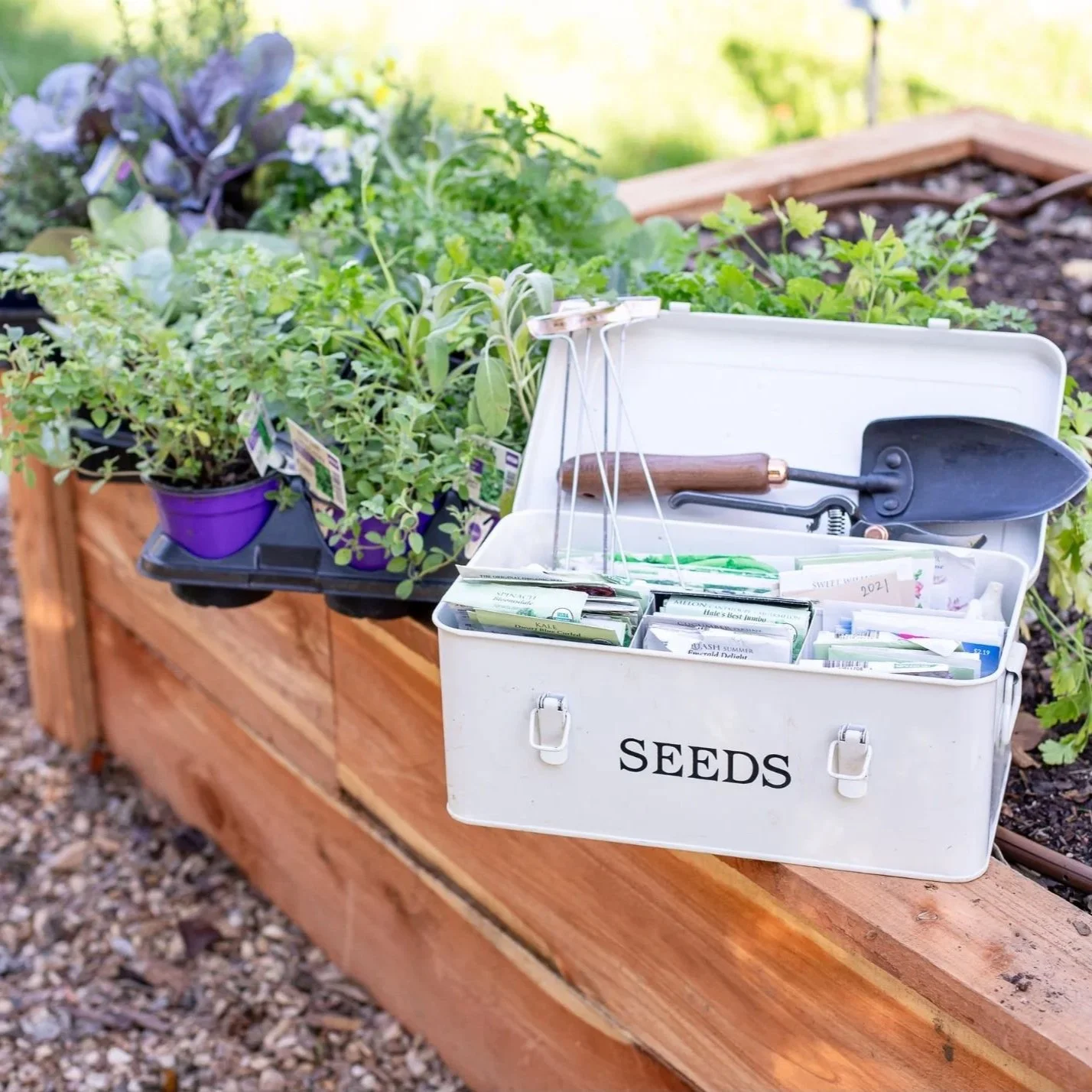
4. Set aside seed packets for your next free 10 minutes. Lettuce, arugula, spinach, radishes, small turnip varieties, dill, cilantro, kale — these grow fast and give you weeks of planting window, so you don't have to fit them in today. Pull the packets now, leave them somewhere you'll see them, and plant a few anytime this month, whenever the next free ten minutes shows up.
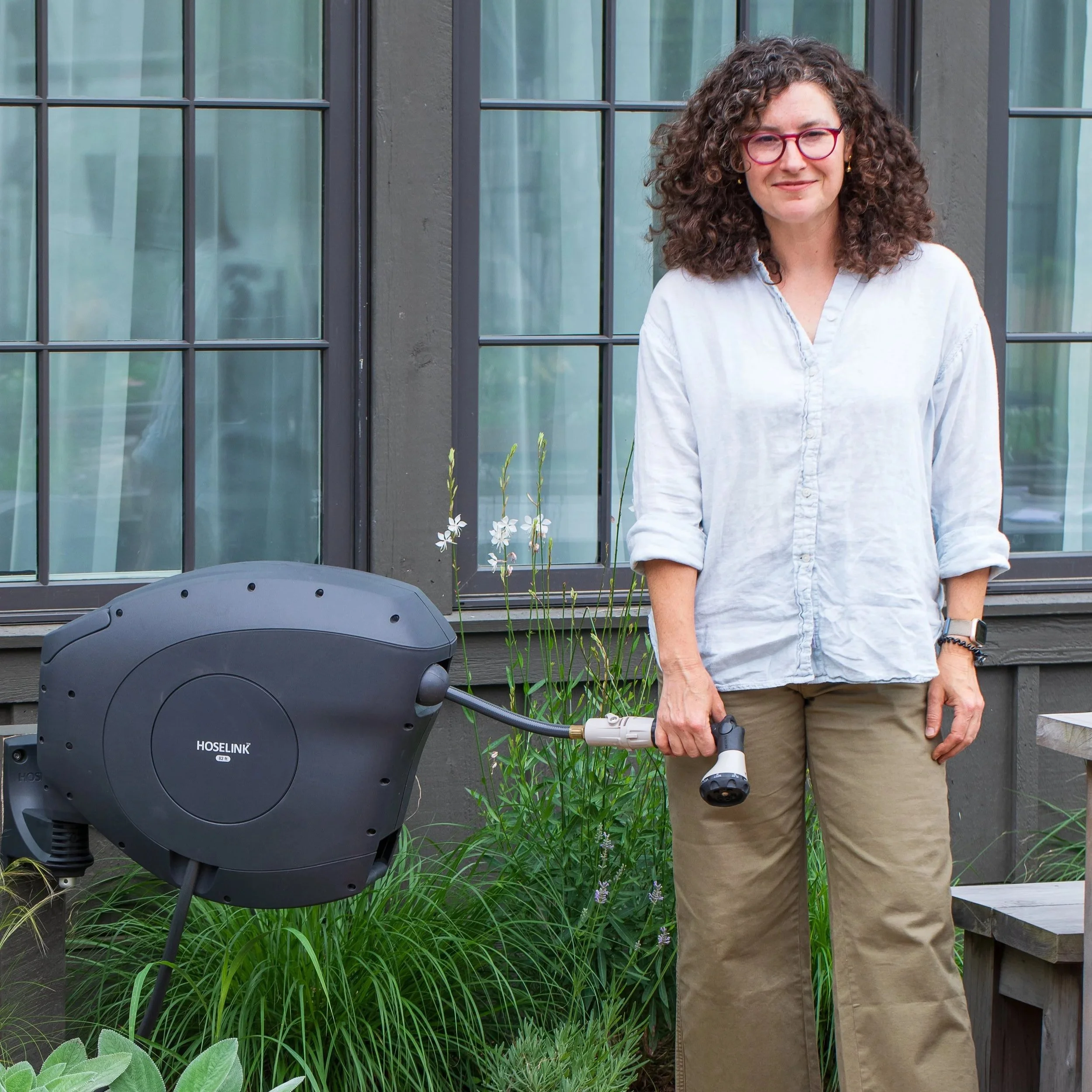
5. Before you head out the door: water them in. This is the step that’s easy to skip when you’ve got to get to the the game, the school pickup line, or the thing you forgot you signed up for. New transplants and seeds can wilt fast in this heat and they need consistent moisture to get established, so don't let today's work go to waste by skipping five minutes with the hose.
Two hours, in this order, and you've planted yourself a whole fall garden. Everything else — mulching, second plantings, fine-tuning — can happen whenever you actually have time to enjoy it instead of race against it.