Why the Cool 😎 Gardeners Plant Early
We hear it in almost every workshop and consultation. When we ask about past garden experience, someone inevitably says, “I can't grow cilantro. It always flowers on me,” or “I know I can’t plant anything until the end of April when there’s no chance of frost.” Others confess they tried gardening once but gave up because it was too hot, too buggy, or just too much.
What I hear underlying all of these responses is that most people don't know you can (and should) start planting your garden in March. Incredulous raised eyebrows usually greet this pronouncement. Believe me, I understand. March in Middle Tennessee feels risky. One week it’s seventy degrees and you’re tempted to plant everything in sight. The next week there’s a frost warning and you’re second-guessing every decision. It can feel safer to just wait.
I was never one of the "cool kids" in high school.

In the early '90s, I thought that meant listening to grunge, smoking cigarettes, and skipping gym class. Now I realize "cool" is attitude, not activities. And I am a very cool gardener. I'm chill when I plant peas in February. I transplant cilantro into spring soil without fear. I keep frost cloth handy and carry on. I experiment a little, replace what fails, and harvest greens while everyone else is still waiting for permission from some garden calendar that was probably written by someone who doesn't live in Tennessee.
Want to be cool too? Get this: Cool season gardening isn’t “early gardening.” It’s a distinct season with its own crops, restrictions, requirements, and big rewards. While our average last frost date hovers around mid-April, that guideline mostly matters to warm-season crops like tomatoes, peppers, basil, and okra. Leafy greens, roots, peas, and many herbs actually prefer soil and air temperatures in the 40–65° range. They tolerate light frost, and some even taste sweeter after a cold snap. When we plant them too late—in late April or May—they struggle because it’s already too warm.
Cilantro doesn’t hate you. It hates heat.
Here’s what we’re planting right now in Middle Tennessee:
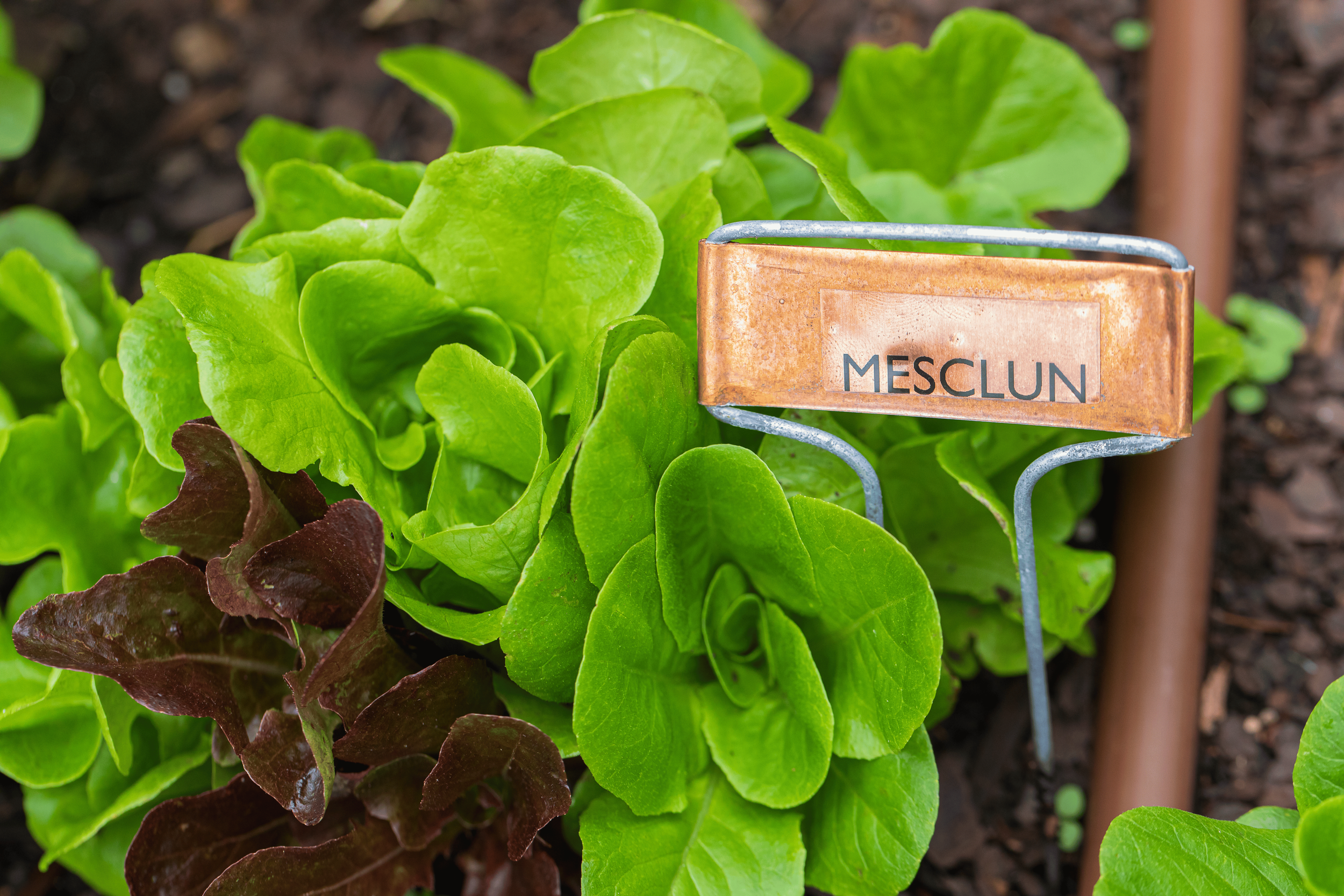
Leafy greens: lettuce, spinach, arugula, kale, Swiss chard, collards, mustard greens
Herbs: cilantro, dill, parsley, chives, fennel
Roots: radishes, carrots, beets, turnips, potatoes
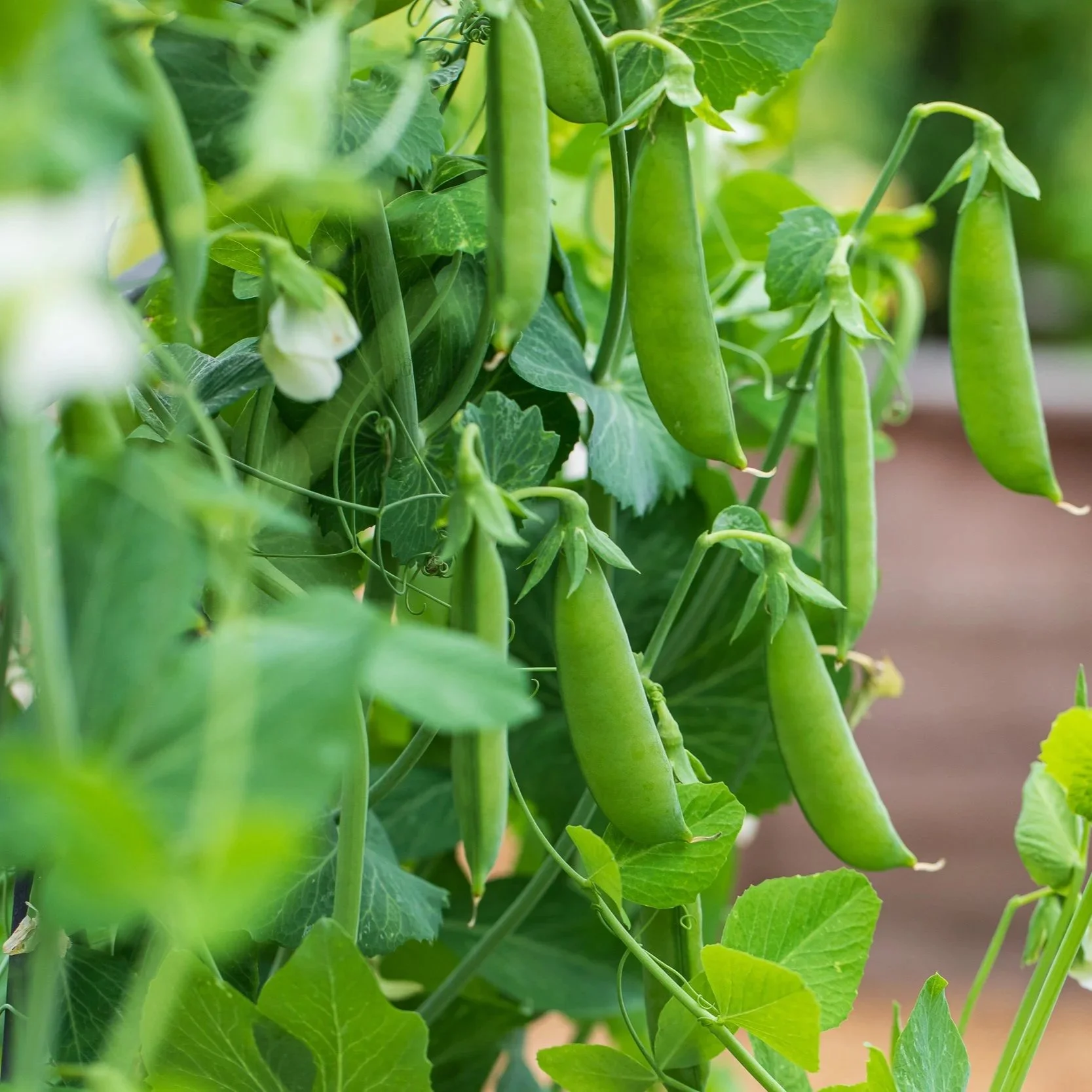
Pods: snap peas, snow peas, English peas
Brassicas: broccoli, cauliflower, cabbage, Brussels sprouts
Flowers: snapdragons, violas, larkspur, calendula, bachelor buttons, sweet peas, poppies
In just a few weeks, when most people are still thinking about planting their gardens, we'll be savoring a season of green abundance—peppery radishes, sugary peas, tender lettuce, and the first bowls of salad that taste like the sweet satisfaction of a bet that paid off.
OK yes, there is some risk in March. A hard freeze can nip tender seedlings. Cool gardeners aren’t bothered. We sometimes cover beds with frost cloth for a night or two, and occasionally we replace a few plants. But planting slightly early and replacing a handful of crops is far better than planting too late and watching everything bolt before you really get to enjoy it.
But there's another bonus: if you’ve only ever gardened in summer, you’ve been gardening in the hardest season. It’s hot. It’s buggy. It’s relentless and discouraging. Cool season gardening is different. The air is crisp and dewey, the pest pressure is lower, and the growth feels full of possibility and hope.

For me, March gardening carries a kind of thrill—the secret confidence of doing something a little bold, a little rebellious. I am that person calling the garden centers this week asking when their veggies seedlings will come in. They try to tell me it's too early. Too early to have a lot of inventory? Sure. Too early for me to experiment and put some seeds in the soil? Never.
But I also know these crops aren’t meant to last forever. By late May or June, most will flower and fade to make room for tomatoes and peppers. That’s not failure, it’s rhythm. Plant them, enjoy them, and then let them go when the heat arrives.
I've been talking mostly about quick crops like lettuce and peas, but early spring in Middle Tennessee is also ideal for establishing fruit trees, berry bushes, asparagus, and other long-term perennial crops. The soil is workable, the air is cool, and plants are either dormant or just beginning to wake up, which means they can focus on developing strong root systems before summer heat arrives. Getting these in the ground now sets you up not just for this season, but for years of harvest ahead.
One thing I cherish about gardening in Middle Tennessee is that we don’t just have a single growing season—we have nearly nine or ten months of opportunity. Even 52 Weeks of Harvest if you really try. Cool season crops in spring, warm season abundance in summer, and often another round of greens and roots in fall mean there is almost always something to plant, tend, or harvest. That long cycle of crop rotations is exactly why our Garden Care program runs most of the year. We’re not waiting for a single “right” moment to garden—we’re embracing the long, generous stretch of seasons we’ve been given.
Once you “get” cool season gardening, your entire mindset shifts. You stop waiting for the popular crowd of summer crops to make their entrance and realize you were cool all along. Spring isn’t something you wait for. It’s something you step into—confident, ahead of the curve, and perfectly at home in your own season.